This attraction introduction is compiled from historical materials in the "Zhangjiajie Tour Guide Network" (33519.com · Scenic Spots section). Ticket prices, opening hours, transportation, and contact information mentioned in the text may be outdated. Please refer to the latest official announcements from the scenic area before traveling; some content consists of historical background/cultural introductions and is for reference only.
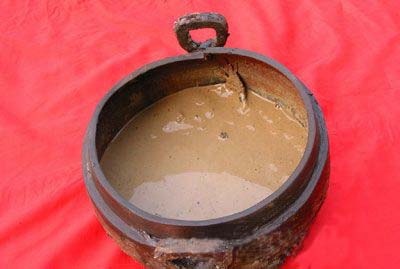
Jintai Village Site
Located in Jintai Village, Jiangjiaping Township, Cili County. It is situated on the second terrace on the left bank of the Lishui River, 70 meters from the Lishui River, with an area of about 600 square meters. It was discovered in 1986. Many stone tools and stone cores were collected from the Quaternary secondary loess layer at a depth of 1.5 meters below the surface, all made from whetstone raw materials. Research indicates that the site is rich in content, reflecting cultural continuity from the late Paleolithic to the Neolithic period, and holds important value for studying ancient culture and developmental sequences in northern Hunan.
Wuchangtian Site
Located in Xiaosha Village, Miaoshi Town, Cili County, on the south bank of the Lishui River. It was discovered in 1987, with an area of about 450 square meters. The cultural deposit at the site is about 0.5 meters thick. Collected stone tools include stone axes and pottery shards, as well as Daxi culture greyish-red pottery, sandy pottery, and plain-surface wares; vessel forms include dou and fu. It holds important value for studying the primitive culture of the Lishui River basin.
Pulanggang Site
Located in Taoping Village, Xikou Town, Cili County, on the south bank of the Lishui River, with an area of about 700 square meters. It was discovered in 1986. The cultural deposit is about 0.7 meters thick. Collected items include Qujialing culture black pottery, reddish pottery, and sandy red pottery; decorative patterns include string patterns and openwork; vessel forms include bo, cups, and vessel covers. It holds important value for studying the primitive culture of northern Hunan.
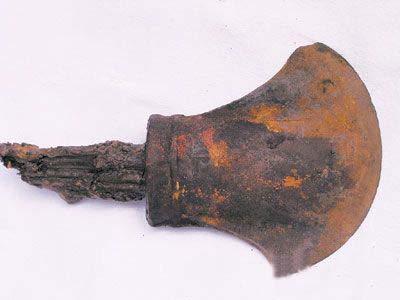
Kangjiaxi Site
Discovered in 1986 at Kangjiaxi, Xingming Village, Yanbodu, Cili County, with an area of 600 square meters and a cultural deposit about 0.7 meters thick. Collected pottery shards include Shang Dynasty black pottery and grey pottery; decorative patterns include mat patterns and cloud-thunder patterns.
Xiangbizui Site
Located in Qinzhong Village, Ganyan Township, Cili County, on the north bank of the Lishui River, with an area of about 250 square meters. It was discovered in 1986. The cultural deposit is about 0.55 meters thick. Collected pottery shards include grey pottery and sandy red pottery; decorative patterns include nipple patterns and string patterns; vessel forms include dou and ding.
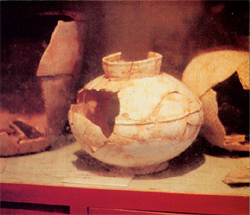
Zhangshuta Site
Located in Duping Village, Xikou Town, Cili County. It was discovered in 1986, with an area of 560 square meters and a cultural deposit about 0.5 meters thick. Collected pottery shards include reddish pottery, grey pottery, and black pottery; decorative patterns include nipple patterns and cord patterns; vessel forms include ding, jars, and fu. These are cultural remains from the Shang and Zhou dynasties. Ancient sites discovered in the same year include the Datian Site in Longxin Village, Xiangshi Town, the Liuzhiping Village Site in Longtanwan Township, and the Shenglinggang Site, among others. The pottery shards and artifacts unearthed belong to the same Shang and Zhou cultural remains. Among them, the artifacts unearthed at the Liuzhi Site are similar to the Shang Dynasty cultural remains at Zhujiatai in Sangzhi County, holding important value for studying the indigenous culture of northwestern Hunan.
Baigong City Site
Baigong City is located at the Chengguan Improved Seed Farm about 2 kilometers east of Cili County. The city site is rectangular, 350 meters long from north to south and 277 meters wide from east to west. The rammed earth remnant walls are 2.1 meters high and 6 meters wide; a large number of cord-patterned cylindrical tiles, flat tiles, jars, and bo vessels were found at the site. According to historical records, Baigong City was established here during the Eastern Zhou period, and from the Western Han to the Northern and Southern Dynasties, the seat of Lingyang County was located here. The city site is currently well preserved.