This attraction introduction is compiled from historical materials in the "Zhangjiajie Tour Guide Network" (33519.com · Scenic Spots section). Ticket prices, opening hours, transportation, and contact information mentioned in the text may be outdated. Please refer to the latest official announcements from the scenic area before traveling; some content consists of historical background/cultural introductions and is for reference only.
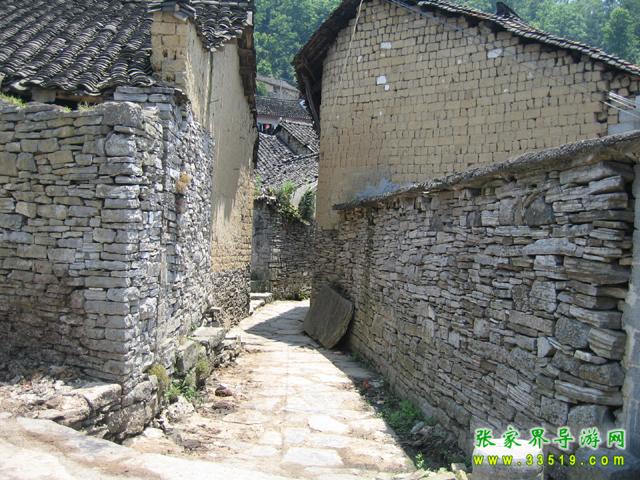
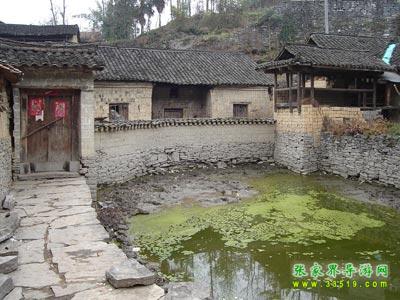
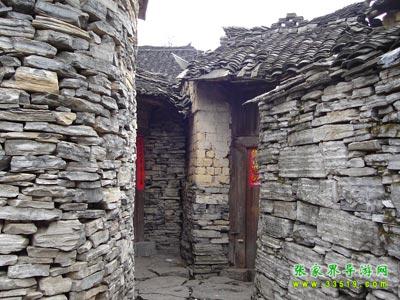
Shanjiang Miao Village, also known as Zongbing Camp, is called Bagu in the Miao language. Located in a valley 20 kilometers northwest of Fenghuang Ancient Town, it is a small mountain village with a rich flavor of Miao life. In the Miao language, Shanjiang is called Bagu, meaning "Toad Cave," named because there is a cave near the village where toads are abundant. It was called Zongbing Camp because during the Qing Dynasty's suppression of the Miao uprising, troops were stationed here and a zongbing (commander) camp was established. As for the name "Shanjiang," after Liberation a Shanjiang Reservoir was built on the mountain northwest of the village. The Miao village had suffered from water shortages, and after the reservoir was completed, visitors flocked to see it. People called Bagu "Shanjiang," and over time the administrative name was also changed to "Shanjiang." Shanjiang retains ancient Miao customs.
The dazzling Miao costumes, the uniquely charming gate-blocking wine, and the distinctive Ka Drum, road-blocking songs, and Bianbianchang will open your eyes and leave you enchanted; the traditional festivals "Fourth of the Fourth Month" with its moon dances and flower dances, and the "Sixth of the Sixth Month" with its antiphonal mountain songs, will stir your heart and make you marvel. To visit Fenghuang without going to Shanjiang will be a lifelong regret.
The most distinctive feature of Miao costume is women's dress. When going out, women wear a black silk turban on the head, a bordered and embroidered collarless full-front jacket, and bordered and embroidered trousers; the turban and jacket are adorned with silver ornaments, including silver hats, silver phoenix crowns, silver neck rings, silver bracelets, silver rings, silver toothpicks, silver hanging chains, and silver belts — elegant and poised, natural and dignified. Shanjiang women's costume, with its bright colors and exquisitely crafted silver ornaments, is the finest of Miao women's dress.
Gate-blocking wine is an ancient Miao custom, called in some places "friend-making wine." It is said that in ancient times the Miao ancestors lived on plains and by lakeshores, enjoying happy lives. Later, after enduring wars and turmoil, they were forced to migrate to remote mountains and forests. The relentless passage of time cultivated the Miao people's bold, unrestrained character and their clear sense of love and hatred. Whenever someone came to visit, the host would offer a bowl of wine before entering the door; those who drank were friends and would receive warm Miao hospitality. Times have changed, and today the gate-blocking wine has become a courtesy by which the Miao welcome honored guests.
Road-blocking songs are often linked with the Ka Drum. When the Miao visit relatives or hold weddings, they still retain the customs of "blocking the road" and "Ka Drum." When guests are about to leave, the young men and women of the host village are already waiting at the village entrance. Three or five young men link arms, six or seven young women stand shoulder to shoulder, blocking the exit from the village, singing Miao songs, urging the young men and women of the guest party to stay. They can express true feelings through song and convey deep meaning through drumming. The melodious singing and the stirring drumbeats echo through the deep mountain valleys, exciting the heart and captivating the soul.
Miao young people enjoy considerable freedom in premarital courtship. Young people at market fairs and gatherings are full of romantic atmosphere. Two or three young men together, five or six young women in a group, sit under the shade of large trees or on green lawns, laughing and talking. On the way home after the fair, they choose the one they fancy, expressing feelings through song and making friends through song — this is called "Bianbianchang," a process full of poetic charm.
The "Fourth of the Fourth Month" is an ancient Miao ceremony honoring martyrs. On the eighth day of the fourth lunar month, the Miao people gather at appointed places to dance the drum dance, sing antiphonal songs, dance with flower sashes, climb knife ladders, leap through fire rings, and perform sword, spear, and archery skills, to express remembrance of the martyrs and determination to carry on their legacy. Legend has it that in ancient times, at Tiaohua Valley by Longtang River in Fenghuang County, whenever flowers bloomed, a grand song-and-dance gathering was held, where Miao men and women sang in turn, danced together, and courted freely. Later, one year, officials sent men to seize brides and select beauties, breaking up couples and violating many beautiful young women. At the next year's gathering, Miao youth prepared in advance and rose up in resistance when the officials came to seize brides, killing the official soldiers, but they were bloodily suppressed by the government, and all the Miao warriors died in battle. From then on, every year on the "Fourth of the Fourth Month," the Miao people hold grand activities to commemorate the martyrs who died on that day.
The "Sixth of the Sixth Month" is a Miao festival for honoring ancestors. Legend has it that the Miao ancestor Panhu married Princess Xinnü, daughter of Emperor Gaoxin among the ancient Three Sovereigns and Five Emperors, and they had six sons and six daughters. The Miao people relied on these six sons and six daughters pairing up to multiply, cultivate the fields, and create a good life. In ancient times, the Miao believed the moon was the mother and the sun the father; six sons and six daughters meant the sixth day of the sixth month, so this day was designated as the song festival to commemorate ancestors — blowing suona, singing Miao songs, dancing the drum dance, praying for auspiciousness, happiness, and for the future and hope.
"Returning the Nuo Vow," "Welcoming the Dragon," and "Beating the Pig" are all unique Miao rituals for thanking the gods. In ancient times, the Miao would pray to ancestral spirits for protection against disaster, for peace and health, and for family prosperity, making grand vows for one, two, or three years. When the vow was fulfilled, they would inform all relatives and friends, sacrifice oxen, pigs, and sheep, and invite the Miao shaman to fulfill the vow — this is "Returning the Nuo Vow." The scene is solemn, sacred, and full of primal wild charm.
"Welcoming the Dragon" mainly expresses the Miao people's worship of the dragon and their yearning for a happy life. The Miao shaman's blessings, the unison of suona, and the dragon-welcoming dance leading the way create a beautiful and spectacular scene — truly a wonder of dance.
"Beating the Pig" involves inviting the Miao shaman to sacrifice to the ancestral spirits for a family. At the same time, the male head of household's maternal uncle is invited to sit at the head seat. The skewers of meat and a large hind-leg portion for the ancestral spirits to enjoy are carried away by the uncle's family guests. The host does not see them off, and the guests do not express thanks, lest the ancestral spirits be disturbed. On the road, they must frequently shout "Taboo meat is coming!" so that passersby make way, avoiding collision and disaster. The uncle's family carries the meat home and that same evening must invite people to finish it in one meal; whatever cannot be eaten must be buried in a pit. After use, bowls and chopsticks must be taken to a mountain stream outdoors to be washed clean, lest one suffer tiger attacks or snake bites. The remaining pork must also be finished that evening by the host inviting clan members to one meal; during the meal no one may speak, and when finished each disperses without formalities, lest disaster befall them.