This attraction introduction is compiled from historical materials in the "Zhangjiajie Tour Guide Network" (33519.com · Scenic Spots section). Ticket prices, opening hours, transportation, and contact information mentioned in the text may be outdated. Please refer to the latest official announcements from the scenic area before traveling; some content consists of historical background/cultural introductions and is for reference only.
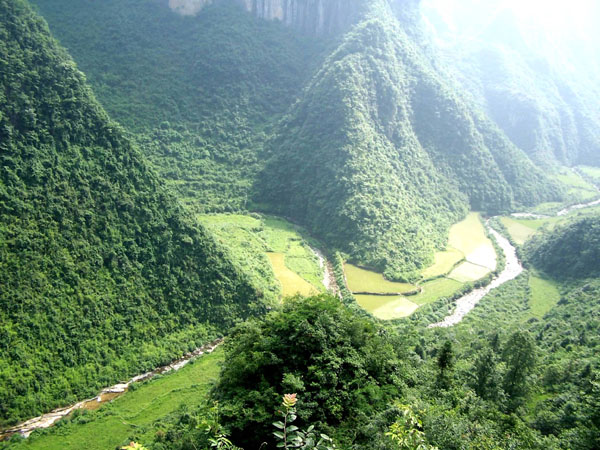
The vast mountains and rivers from Pinglong in the suburbs of Jishou City to Guiyupo in the rear mountain area were once the battlefield of the final great decisive battle between the Miao rebel army and the Qing army numbering more than ten thousand. To this day, iron cannons, bronze cannons, and their projectiles as thick as the mouth of a bowl are still often picked up in this area, and some are already kept in the Hunan Provincial Museum and the Autonomous Prefecture Museum. The ancient battlefield is the terrain of Pinglong, with a long strip-shaped basin in the middle and high mountains on all sides, majestic mountain forms, surrounding cliffs, and strategically dangerous terrain. Shuimengang on the east side of Pinglong was the gateway to Pinglong and the most important checkpoint with a very favorable geographical position. Two mountains faced each other across the river, with cliffs as steep as if cut, and only a single narrow winding path passed through, easy to defend and hard to attack. The rebel army used this geographical condition of Pinglong, which could be defended and attacked, to defeat the Qing army's attacks many times.
In the first year of Jiaqing, Eledengbao, who had served as commander three times, led more than 100,000 Qing troops in five routes to converge and attack Pinglong, the core area of the Miao people's rebel army. Because the disparity in strength between the rebel army and the Qing army was too great, the important military position of Shuimengang fell. After Shuimengang fell, the Qing army drove straight along the Jiulong River to Pinglong. The rebel army fought bravely and well, and launched a decisive battle with the Qing army on the vast fields of Pinglong. But in the end, because the Qing army was numerous and powerful, the rebel army had to retreat to Guiyupo and Shilongshang in the rear mountain of Pinglong. Wu Tingyi, later King Wu, and Shi Liudeng, founding general, led the rebel army here in the final decisive battle with the Qing army, fighting to the last moment of their lives.