This attraction introduction is compiled from historical materials in the "Zhangjiajie Tour Guide Network" (33519.com · Scenic Spots section). Ticket prices, opening hours, transportation, and contact information mentioned in the text may be outdated. Please refer to the latest official announcements from the scenic area before traveling; some content consists of historical background/cultural introductions and is for reference only.
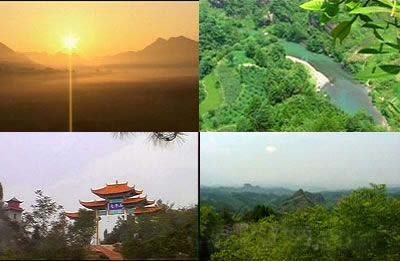
Taipingshan is 8 kilometers from Longshan County seat and has been a Buddhist holy site since ancient times. Taipingshan is majestic and precipitous, with its summit shrouded in clouds and mist year-round. Only a single stone path allows climbing, with iron chain railings along the way. Three mountain gates are set along the route, and a temple stands at the summit, first built in the sixth year of the Daoguang reign of the Qing Dynasty. At its peak, more than 300 monks resided there permanently. Legend says that when the temple's fifth abbot, Zen Master Hongsong, traveled to the capital, he cured Emperor Guangxu of a dangerous illness called "back flower," and received imperial conferment and rewards. After returning to Taipingshan, he built the Scripture Library and Guanyin Pavilion, making Taipingshan famous throughout the land.
In the late 1920s, the famous Chinese political activist Mr. Zhang Taiyan visited Taipingshan and greatly praised it, gladly writing: "Taipingshan has layered green ridges, lush trees, perilous and beautiful peaks, and temple pavilions reaching the clouds. Its scenery is beautiful, no less than Mount Lu or Yandang."
In 1997, Mr. Zhao Puchu, Chairman of the Buddhist Association of China, personally inscribed the mountain name "Taipingshan," adding brilliance to the calligraphy and restoring the Buddhist light. In 1998, a tourism highway from the county seat to Taipingshan was completed. Main attractions include: Songyue Pagoda, Xiying Cave, Guanyin Temple, and Dengtian Ladder.