This attraction introduction is compiled from historical materials in the "Zhangjiajie Tour Guide Network" (33519.com · Scenic Spots section). Ticket prices, opening hours, transportation, and contact information mentioned in the text may be outdated. Please refer to the latest official announcements from the scenic area before traveling; some content consists of historical background/cultural introductions and is for reference only.
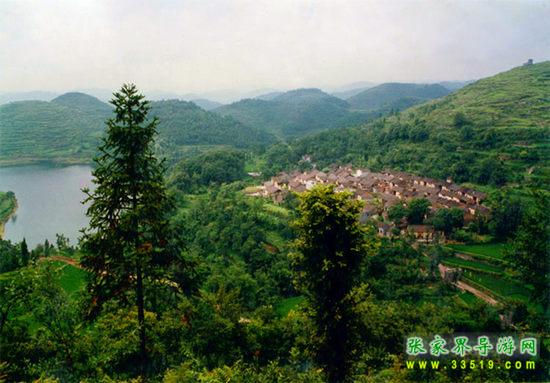
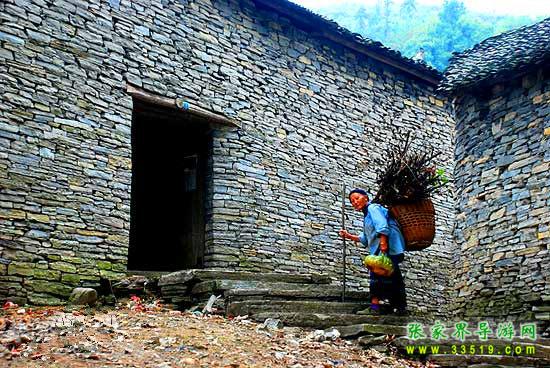
Bagu Laojia Village is a typical Miao mountain village and a model ancient Miao village carefully developed for rural tourism by the prefecture- and county-level tourism departments. Located in Bagu Town, 2.5 kilometers northwest of Fenghuang County, it has a history of more than 500 years. The entire village has more than 70 households with over 300 people, all Miao. The houses in the village are very distinctive, all built of gneiss from nearby mountains.
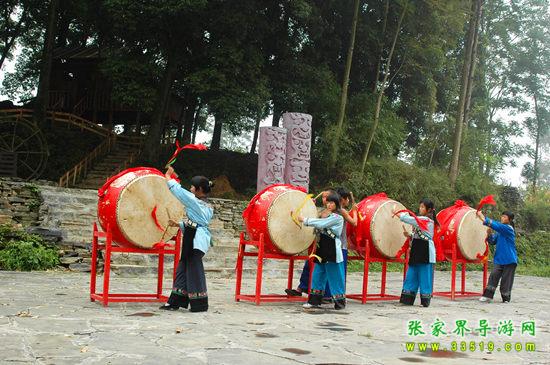
Laojia Village is situated in the heart of Miao territory and still preserves simple and unique ethnic customs. When guests from afar visit the village, hospitable Miao girls will dress in splendid attire and gather at the village entrance, singing loud Miao mountain songs. Young men beat the majestic and resounding welcome drums. The sound of drums and songs lingers around the village for several li without cease.
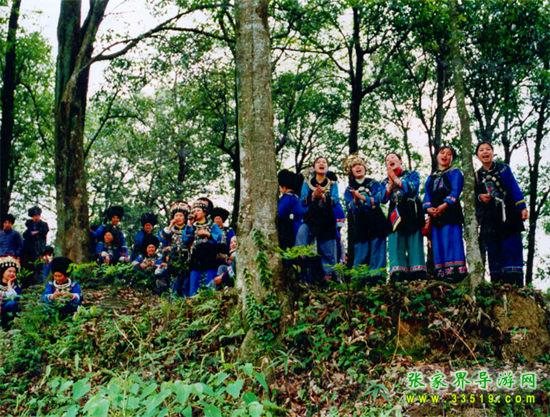
Unique folk customs, splendid ethnic costumes, and wonderful folk art constitute the distinctive ethnic original-ecology circle of Bagu Laojia Village. Today, as more and more people yearn for folk custom tourism, Bagu Laojia Village, full of original-ecology ethnic cultural characteristics, is gradually entering visitors' sight.
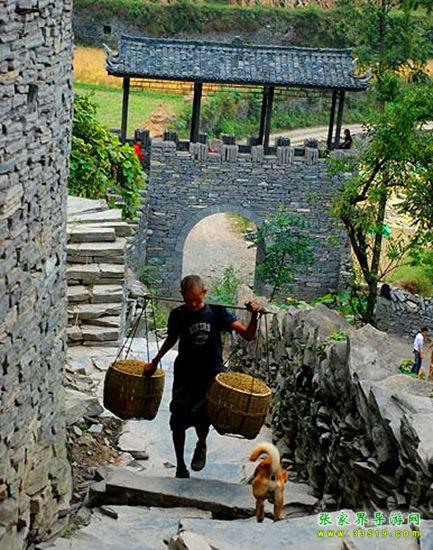
Laojiazhai Ancient Miao Village sits at the foot of Qifeng Slope, where vegetation is lush and the ecological environment is well preserved. Surrounded by green mountains that are reflected in the mirror-like lake, the village is laid out in a bagua (eight-trigram) pattern with exquisite planning. Inside the village, ancient slab-paved paths and uniformly grey-tiled ancient walls wind through secluded lanes. A towering grove of ancient hazel trees grows on a small hill by the lake, guarding this thousand-year-old village. Legend has it that this place was where the divine bird Fenghuang (Phoenix) once resided and where the Phoenix Maiden was born, making it a sought-after destination for young Miao men and women in search of true love. All the roads in the village are paved with bluestone slabs and dotted with cow dung, and the houses are all built of stacked stones, neatly arranged one block at a time. Not a trace of reinforced concrete can be seen throughout the village; the primary material is stone. In the mountains, by the fields, by the water—wherever people go—there are low walls built of stacked stones, neat and square, a testament to the diligence of the Miao people.
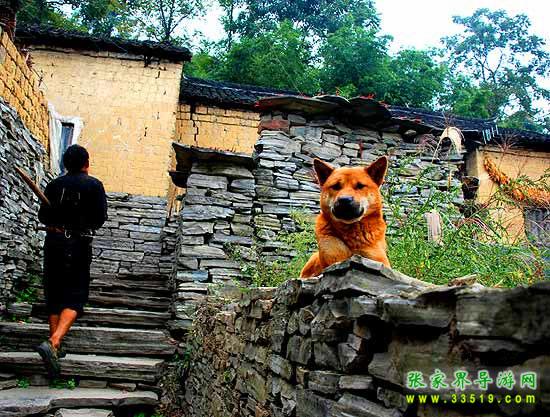
As the tour guide puts it, this place is called "raw Miao" (shengmiao), meaning that unlike Fenghuang Ancient Town, Shangri-La, or Furong Town—places with a heavy commercial atmosphere—it has not been well developed, has not been artificially embellished, and remains very poor and backward. It is a place of great ethnic value, preserving its original, simple flavor.
Transportation
In Fenghuang Ancient Town, take the one-yuan-per-person electric shuttle to the Shanjiang bus station, then take the five-yuan minivan to Bagu Laojiazhai. On the way back, you can visit the Shanjiang Miao Museum!
Address of Fenghuang Laojiazhai: Laojiazhai is located in Laojiazhai Village, Shanjiang, Fenghuang County, Hunan Province, less than 2 kilometers from the Shanjiang town market, with very convenient transportation.