This attraction introduction is compiled from historical materials in the "Zhangjiajie Tour Guide Network" (33519.com · Scenic Spots section). Ticket prices, opening hours, transportation, and contact information mentioned in the text may be outdated. Please refer to the latest official announcements from the scenic area before traveling; some content consists of historical background/cultural introductions and is for reference only.
[Ticket Price Information Update · 2026-09-14]
- Huiyan Peak Scenic Area now offers free admission; Yanfeng Temple incense coupon 10 yuan (voluntary)
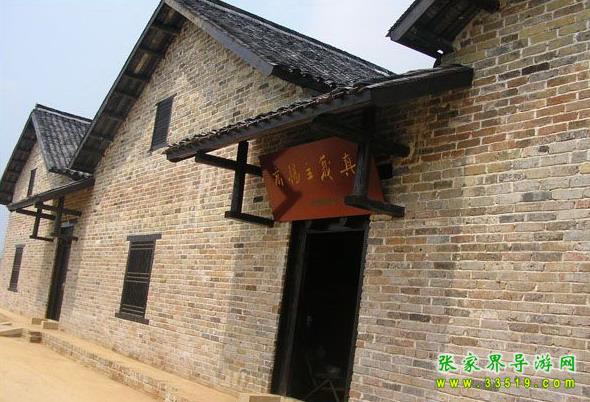
- Wild Goose Culture Experience Hall: Adults 38 yuan / Students 28 yuan; open approximately 7:00–19:00
If old ticket prices/opening hours appear in the main text, they are historical materials and may be outdated, for reference only.
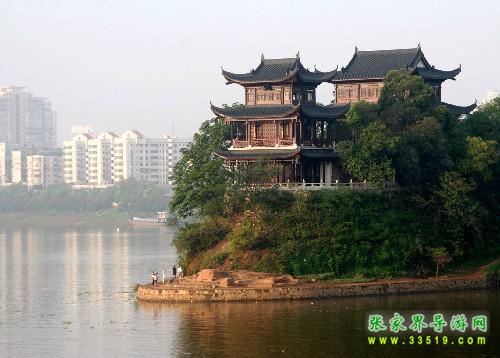
Huiyan Peak is close to the banks of the Xiang River, near the combined road and railway bridge over the Xiang River in Hengyang. Standing on Huiyan Peak, one can not only overlook the bridge but also take in the entire panorama of Hengyang city.
Huiyan Peak is the first of the seventy-two peaks of Mount Heng. According to historical records, wild geese flying south from the north would feel the warmth of spring upon reaching Hengyang, fold their wings and fly no further south, waiting for the next spring when flowers bloom to fly north again.
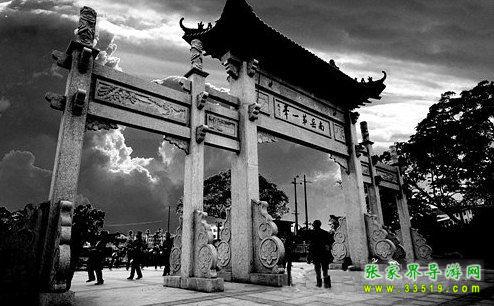
The mountain gate of Huiyan Peak is a stone archway, with the two characters "Shang Da" (Reaching Upward) carved on the horizontal plaque—iron strokes and silver hooks, vigorous and powerful—in the handwriting of the famous Qing Dynasty scholar Wang Chuanshan. On the back of the plaque are carved five large characters: "Mo Zuo Deng Xian Guan" (Do not view as ordinary), which provoke deep thought.
Not far past the mountain gate is the Mid-Mountain Pavilion. With colorful glazed tile roofing, four vermilion pillars, upturned eaves, and an umbrella-shaped roof, it provides both sunshade and shelter from rain, serving as a resting place for visitors.
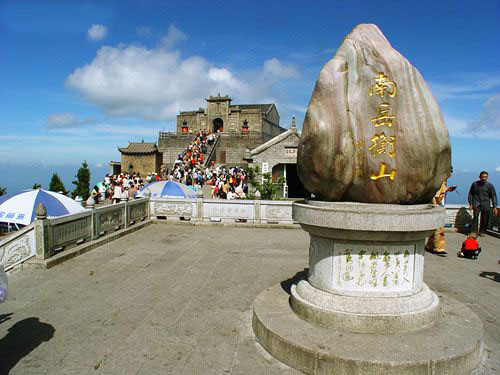
Continuing upward, after passing the "Hundred-Step Cloud Ladder," you reach the summit, where only an ancient temple remains of the original site. According to ancient texts, as far back as the Northern and Southern Dynasties, a temple stood on the peak. The temple built during Emperor Wu of Liang was called Chengyun Temple, and after the Tang Dynasty it was renamed Yanfeng Temple, dating back nearly 1,500 years. Along with Huayao Temple, Xichan Temple, and Luohan Temple, it was known as one of the four great temples of Hengyang's Buddhist Zen tradition, and eminent monks of successive dynasties came here to meditate.
Tickets: 40 yuan
Location: Located in the southern district of Hengyang City, on the west bank of the Xiang River.
Area: Scenic area of 21,312 m²
Huiyan Peak has an elevation of 96.8 meters. Though the mountain is not high, it is famous throughout the world because many historical figures referenced it in their poetry and writings—literature brought the scenery fame, and the scenery spread through literature. The Tang Dynasty poet Wang Bo wrote in "Preface to the Pavilion of Prince Teng": "Wild geese startled by the cold, their cries break off at the banks of Hengyang." The great poet Du Fu once lived in Hengyang and left the verse: "Wild geese of Hengyang, ten thousand li away, this year they fly north again..." Du He, Gao Shi, Wen Tianxiang, Fan Zhongyan, and others all left widely recited poems and writings. Also, because the great thinker Wang Fuzhi of the late Ming and early Qing dynasties was born here, and the Southern Song Neo-Confucian scholar Zhou Dunyi grew up in his uncle's home in Hengzhou, the area is rich in cultural heritage. This has made Huiyan Peak's scenic spots and historical sites even more renowned at home and abroad.
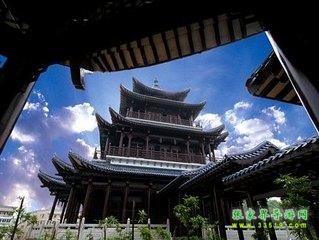
The most famous site on Huiyan Peak is Yanfeng Temple. In the twelfth year of Tianjian of the Liang Dynasty (513 AD), Master Hongxuan chose Huiyan Peak to establish a temple, and Emperor Wu Xiao Yan bestowed the name "Chengyun Chan." In the Tang Dynasty it was renamed "Shanmen Temple." During the Ming-Qing transition, the "Shoufo Hall" was built. During the War of Resistance Against Japan, Hengyang suffered calamity, and the thousand-year-old temple could not escape destruction.
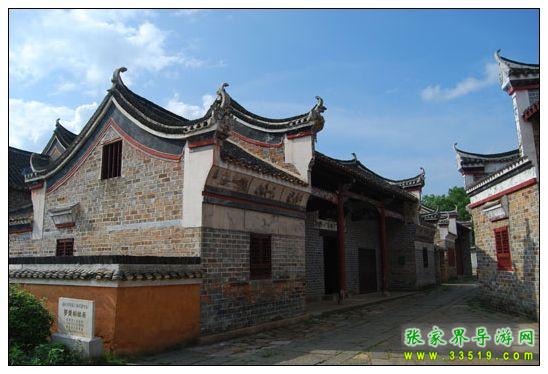
In 1964, Tao Zhu, First Secretary of the Central-South Bureau, inspected Hengyang and advocated restoration, converting it into a park. It was partially completed but construction stopped during the "Cultural Revolution." From 1983 to early 1985, the Hengyang Municipal People's Government rebuilt Huiyan Peak Park. The scenic area features "Wild Geese Alighting on Flat Sand," one of the Eight Views of Xiaoxiang; "Yanfeng Misty Rain," the finest of the Eight Views of Hengyang; the resplendent Yanfeng Temple; the wild goose sculpture that is the symbol of Wild Goose City; and the Cijun Pavilion commemorating Wang Fuzhi—over twenty scenic spots in all. Calligraphy masterpieces by Zhao Puchu, Tang Tianji, Zhou Qingding, and contemporary calligraphy masters are gathered here. Poems and writings by Wang Bo, Chen Zongqi, and other ancient literati, as well as Tao Zhu's prose "The Style of Pine Trees," add brilliance and cultural depth to the scenic area.
The entire scenic area is rationally designed, ingeniously laid out, and finely constructed. Pavilions, terraces, and towers complement the trees and flowers. Winding paths lead to secluded spots, offering tranquility amid the bustle. Climbing Huiyan Peak, you can look south to the peach blossoms and waves of Dongzhou; north to the Laiyan and Zhuhui pagodas; east to the Xiang River like a ribbon with hundreds of boats racing; and west to the splendid views of Yueping with row upon row of tall buildings and heavy traffic—it is truly refreshing and makes one reluctant to leave.