This attraction introduction is compiled from historical materials in the "Zhangjiajie Tour Guide Network" (33519.com · Scenic Spots section). Ticket prices, opening hours, transportation, and contact information mentioned in the text may be outdated. Please refer to the latest official announcements from the scenic area before traveling; some content consists of historical background/cultural introductions and is for reference only.
The Yumushan Scenic Area of Hengyang City is located within Yumushan Township, Zhengxiang District, Hengyang City, Hunan Province. The core scenic area covers about 4 square kilometers, with a combined area of about 20 square kilometers. Situated west of Hengyang City, the main peak has an elevation of 238 meters, with a relative height of 180 meters. Yumushan was originally named Yonghua Mountain and Yunwu Mountain. Due to topographic influences, it easily generates clouds and mist, and was named for the frequent shrouding clouds and fog. During the Yongzheng era of the Qing Dynasty, the Zhudao Tai governing Hengzhou, because of a long drought without rain and the people suffering disaster, came to Yumushan's Chisongzi Altar to pray for rain. “With devout prayer, rain immediately fell,” and he presented a golden plaque inscribed with the three characters “Yumushan” (Rain Mother Mountain), hence the name was changed to Yumushan.
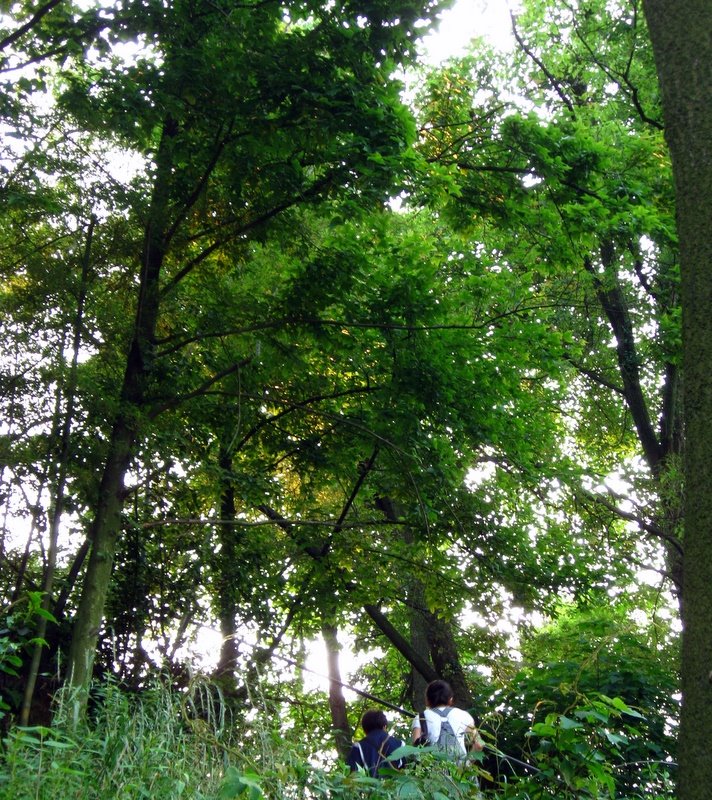
Yumushan faces southwest, connecting to Huiyan Peak, the first of the seventy-two peaks of Mount Heng, to the east; leaning against Shiniu Peak at 510 meters elevation in Hengnan County to the south; adjoining the important town of Santang in Hengnan County to the west; and bordering the Zheng River, a tributary of the Xiang River, to the north. It is 12 kilometers from the city center, no more than 10 kilometers from the Municipal Party Committee and Municipal Government, only a 20-minute drive by car. Its geographic coordinates are 112°40’ east longitude and 26°75’ north latitude. It is the closest, largest, and most ecologically sound beautiful mountain and water spot to Hengyang City. The core scenic area is about 5 square kilometers, with 16 peaks, 8 ravines, and 4 reservoirs within the area, forming 18 natural scenic spots rich in cultural content. Yumushan has four distinct seasons, abundant rainfall, warm winters and cool summers, and a pleasant climate — it is a natural ecological oxygen bar. The mountain has 53 families and 246 species of plants; coniferous and broadleaf forests interweave attractively, with towering trees and ground-covering shrubs. The current forest coverage rate has reached 78%. Wild animals in the forest include pangolins, musk deer, tiger-striped frogs, white-necked long-tailed pheasants, silver pheasants, wild chickens, wild boars, wild rabbits, mountain finches, egrets, and more than 40 other species. Below Yumushan, streams gurgle and a hundred waters flow into lakes. To the south is Yumu Lake, to the north is Sitangchong Reservoir, and to the west, Jiulongchong Reservoir and Guolutang Reservoir surround the mountain foot like mirrors reflecting the mountain range, with lake and mountain scenery too beautiful to fully absorb.
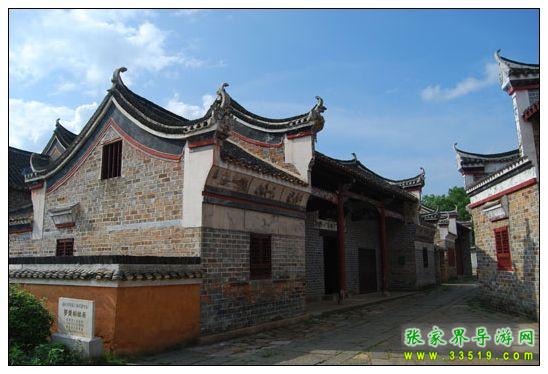
The Yumushan Scenic Area is very rich in natural resources, and its cultural legends are equally brilliant. Besides the cultural relics of Emperor Ku, 22 scenic spots including the Chisongzi Altar, Thousand-Hand Guanyin Hall, Flying Rock, and Xie Bin's Tomb each have their origins and moving legendary stories.
After several years of development, the scenic area's infrastructure has been increasingly perfected, and the scenery is changing with each passing day. Combined with its superior geographic location, rich natural resources, elegant ecological environment, and profound cultural heritage, among other favorable conditions, the future Yumushan Scenic Area will surely become the “back garden” for the citizens of Yancheng for tourism and leisure.
The superior geographic location, rich plant resources, and pleasant natural scenery have nurtured Yumushan's extraordinary cultural achievements over thousands of years. Here are deeply hidden the footprints of the ancient Emperor Ku and Emperor Shun on their inspection tours; here echo the unending sounds of Buddhist and Daoist incense; here circulate countless moving poems and songs about the 18 scenic spots. Here also rest the pioneers of the 1911 Revolution and the heroic spirits of the War of Resistance Against Japan. The Emperor Ku Shrine on the mountain is the only place in the country for worshipping Emperor Ku, who ranks among the Three Sovereigns and Five Emperors. From the Emperor Ku Shrine to the secluded path leading to the Shennong Rain Master Chisongzi Altar, from the thousand-year unbroken incense at the Emperor Ku Shrine's worship of the Yanhuang lineage to the folk tales of Emperor Ku's auspicious tours, picking up the weather-beaten fragments of history, we can undoubtedly confirm that the ancient city of Hengyang, with its thousands of years of ancestral worship, is carrying the long Chinese civilization from the past to the present, and continuing in one unbroken line toward the future.
Yumu Lake
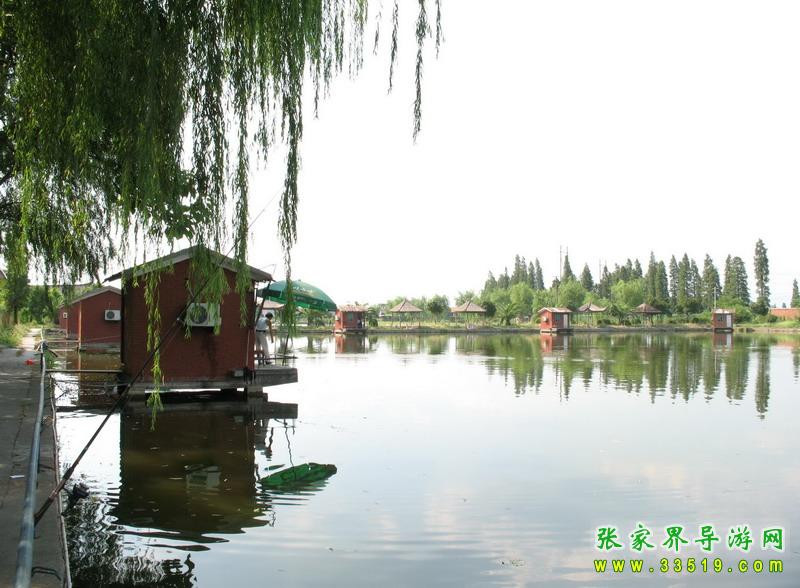
Yumu Lake is situated south of Yumushan, between Qili Mountain. The reservoir dam is 30 meters high, 4 meters wide at the crest, and 150 meters long. The reservoir water surface totals 330 mu, with the widest span over 300 meters. The water surface winds and turns, with a total length of over 1,000 meters. It can be used for irrigation, fishery production, as well as leisure fishing and boat tours to enjoy the scenery on both banks. The scenery around the lake is beautiful. Standing by the lake, looking level at the mountains and streams, all is lush and green; looking up at the sky, the clouds are brilliantly colored; looking down at the lake surface, the waves are calm as a mirror. Truly, the fields drip with green, the green mountains endure, and the green waters flow forever. Lost in its beauty, one feels as if wandering in a Shangri-la, lingering without wanting to leave.
Emperor Ku Shrine
Chisongzi was a legendary immortal who attained the Dao in ancient times. He was the Rain Master of Shennong and also the Rain Master of Emperor Ku, able to summon wind and rain. The Chisongzi Altar is where he prayed for rain in Hengyang. According to the “Record of Jingzhou,” each time Chisongzi prayed for rain, “rain immediately fell.” In the 26th year of the Qianlong era, Qingquan County Magistrate Jiang Xun came to the mountain on official business and inscribed the four characters “Chisongzi Altar” in seal script on the south face of Flying Rock, to commemorate the ancient site.
Chisongzi Altar
Emperor Ku was one of the “Five Emperors” among the “Three Sovereigns and Five Emperors” of ancient China. Before he inherited the imperial throne and was enfeoffed as Marquis Xin, in the 78th year of Zhuanxu's reign (2334 BC), the court official Shuqi rebelled, led troops in flight to Hengyang, entrenched himself on Yumushan, and committed evil deeds. Emperor Ku, ordered by Emperor Zhuanxu, led troops to suppress the rebellion, annihilated the rebel army, and beheaded Shuqi on Yumushan. The places were called “Defeat Slope” and “Fallen Horse Bridge.” The Emperor Ku Shrine was built after Emperor Ku's death, when Emperor Shun on his southern inspection tour reached Hengyang to offer sacrifices to Emperor Ku. The Emperor Ku Shrine is located below Flying Rock on Yumushan, directly above Stone Lion Ridge. The shrine covers 3,600 square meters and is divided into a front hall, rear hall, Guanyin Hall, Zhusheng Hall, and side rooms. The architecture is solemn and elegant, with exquisite craftsmanship. The front hall is the Grotto of the Famous Mountain, with a statue of Emperor Ku seated within. The rear hall is the Yuantong Treasure Hall, containing a bronze-cast Thousand-Hand Guanyin.
Located at the foot of the mountain northwest of the Emperor Ku Shrine, covering 300 mu, with 5 buildings totaling over 3,000 square meters of floor area. It has 2 large and small classrooms, 2 large and small meeting rooms, 1 cafeteria, 7 dining rooms, 40 standard guest rooms, 12 deluxe suites, totaling over 100 beds. It also has tea seats, a dance hall, beauty and hairdressing services, a floodlit ball court, and other activity venues. The entire compound is surrounded by mountains on three sides, with lush trees and pleasant scenery.
Yumu Mountain Villa
Flying Rock is located atop Flying Rock Mountain and is a large pile of boulders composed of 3 huge stones of different shapes. Legend says it flew here from Mount Heng in Nanyue, hence the name. Flying Rock has endured thousands of years of sun and rain, weathering and erosion, and still stands 3.9 meters high and 13.8 meters in circumference — it would take 8 to 9 adults holding hands to encircle it. It is like a tame giant lion, sitting upright on Yumushan, gazing at visiting tourists and watching off those who are reluctant to leave.
Flying Rock
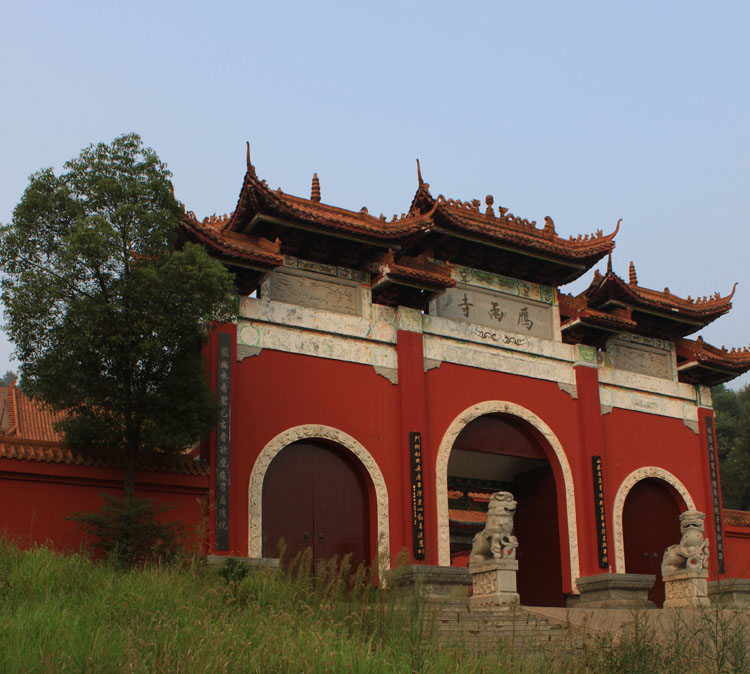
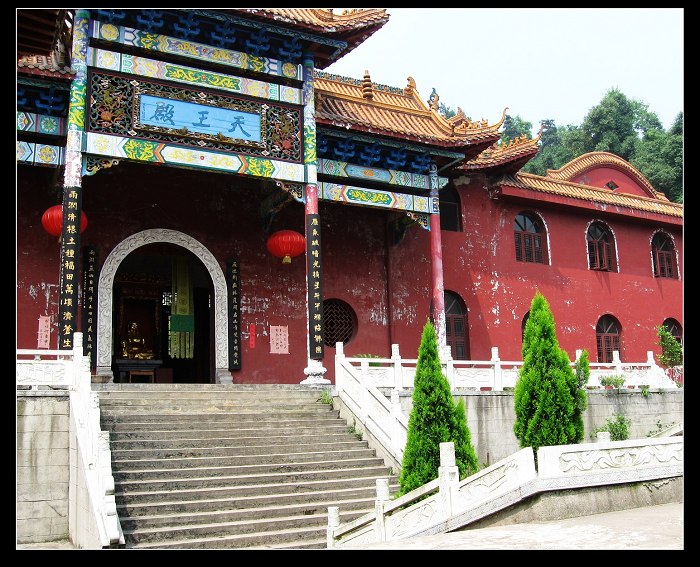
Located directly below the Emperor Ku Shrine at Stone Lion Ridge. It covers 30 mu. The entire temple has a three-tiered terrace structure. The first tier is the mountain gate, the second tier is the Heavenly Kings Hall, and the third tier is the Great Hero Treasure Hall (Buddhist Hall), with a total floor area of 4,400 square meters, of which the Buddhist Hall is 1,000 square meters with 48 columns, standing against the mountain. The entire structure is solemn, majestic, and elegant. It can not only accommodate numerous worshippers and pilgrims, but the monks' quarters can also provide lodging for over 100 pilgrims. It has now become the religious sanctuary of Yumushan.
Related scenic spots in Yumushan Scenic Area:
Emperor Ku Shrine, Yanyu Temple, Flying Rock, Immortal Cave, Chisongzi Altar, Zhaiwang Ridge, Yulong Soap, Xiangshui Soap, Xiangshui Spring, Xiangshui Waterfall, Stone Lion Ridge, Beauty Peak, Beauty Combing Hair, Beauty Spring, Meini Nunnery, Zhuji Slope, Fox Immortal Cave, Hundred Flowers Fragrance, Big Belly Ridge, Sun Viewing Platform, Jingji Spring, Black Dragon Pool, Boat Pond Bay, Wooden Fish Ridge