This attraction introduction is compiled from historical materials in the "Zhangjiajie Tour Guide Network" (33519.com · Scenic Spots section). Ticket prices, opening hours, transportation, and contact information mentioned in the text may be outdated. Please refer to the latest official announcements from the scenic area before traveling; some content consists of historical background/cultural introductions and is for reference only.
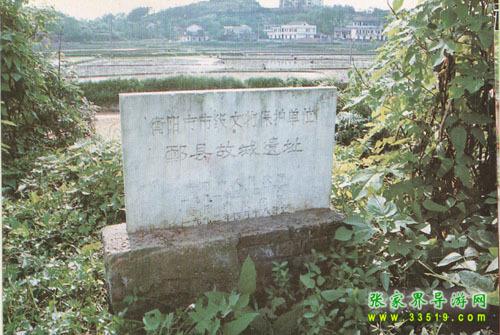
In 1952, a provincial cultural relics survey team discovered the old city site of Linghu County beside Linghu Lake (in what is now Hudong Village, Heping Township). To the east of the city site was Laochating, to the south was Hujiatai, to the west was a drainage pumping station, and to the north was the Leishui River, covering an area of 200,000 square meters.
In the fifth year of Emperor Gaozu of Han (202 BC), Hengyang was Ling County, belonging to the Kingdom of Changsha, with the county seat established here. The "Commentary on the Water Classic" states: "The Leishui River flows north past Ling County; the county has Linghu Lake... beside the lake there still remains the old administrative seat of Ling County."
Through excavation, remnants of earthen walls on the east and west sides still survive. Within the city site are pottery shards, Han Dynasty bronze and flat tiles, pottery vessels including basins, pots, jars, and bowls, as well as iron swords, copper slag, and other items.
In 1956, this site was listed as a provincial key cultural relic protection unit.
In May 1991, this site was listed as a municipal key cultural relic protection unit.