This attraction introduction is compiled from historical materials in the "Zhangjiajie Tour Guide Network" (33519.com · Scenic Spots section). Ticket prices, opening hours, transportation, and contact information mentioned in the text may be outdated. Please refer to the latest official announcements from the scenic area before traveling; some content consists of historical background/cultural introductions and is for reference only.
[Ticket Price Information Update · 2026-09-14] The prices/times contained on this page are historical source materials and may be outdated. Before traveling, please refer to the latest official announcements of the scenic area.
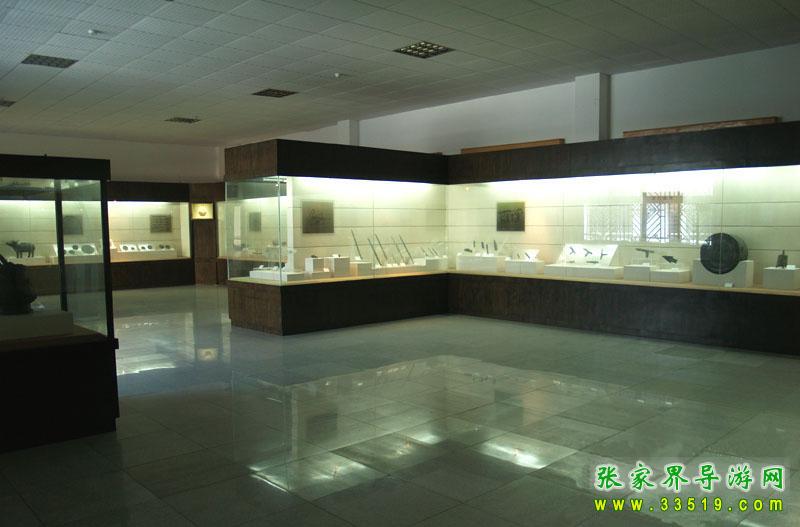
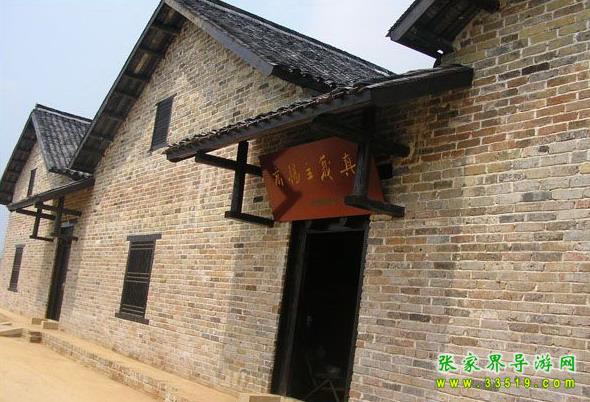
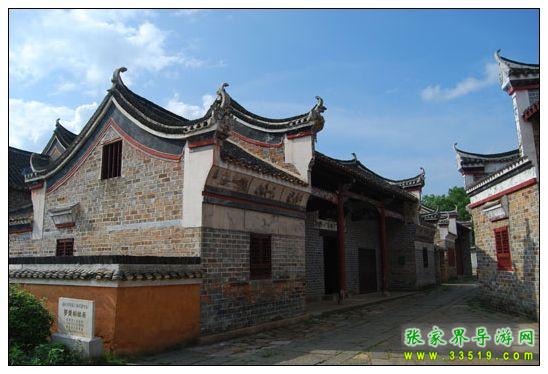
Hengyang Museum was established in 1973. Its predecessor was the Hengyang Exhibition Hall, with a small building area and old, dilapidated buildings. In 1992, with the care and support of the Hengyang Municipal Government and all sectors of society, Hengyang Museum moved opposite the picturesque West Park. Here the trees are lush and the environment beautiful. The museum consists of two buildings: the office building (including the cultural relics warehouse) and the exhibition hall. The office building is a six-story brick-and-concrete structure; the exhibition hall is a two-story courtyard-style brick-and-concrete structure. The architecture has the typical characteristics of southern Hunan residential buildings, with glazed green tiles and sealed gable walls, simple and elegant.
Hengyang Museum is a local comprehensive museum. It currently has a collection of 20,000 historical relics, including more than a thousand precious relics, among them national treasures. Many historical relics have traveled to more than 20 countries for exhibition. It has a cultural relics exhibition hall, temporary exhibition hall, audio-visual room, central warehouse, reception room, reference room, and office. It is a window unit for the spiritual civilization construction of Hengyang City and an important patriotism education base. Since Hengyang Museum opened, it has held "Exhibition of Selected Treasures from the Collection" and "National Defense Education Exhibition," rich in content and novel in artistic form, intuitively and vividly displaying Hengyang's five thousand years of civilization.
At present, the museum has 36 staff members on the regular payroll and 8 retired personnel. Among the regular staff, 28 have a college education or above, 26 are professional and technical personnel, and 10 are skilled workers, including 1 with a senior professional title. There are 4 museum leaders, and 6 internal departments: the Office, the Conservation Department, the Security Department, the Exhibition Department, the Mass Work Department, and the Research Office.
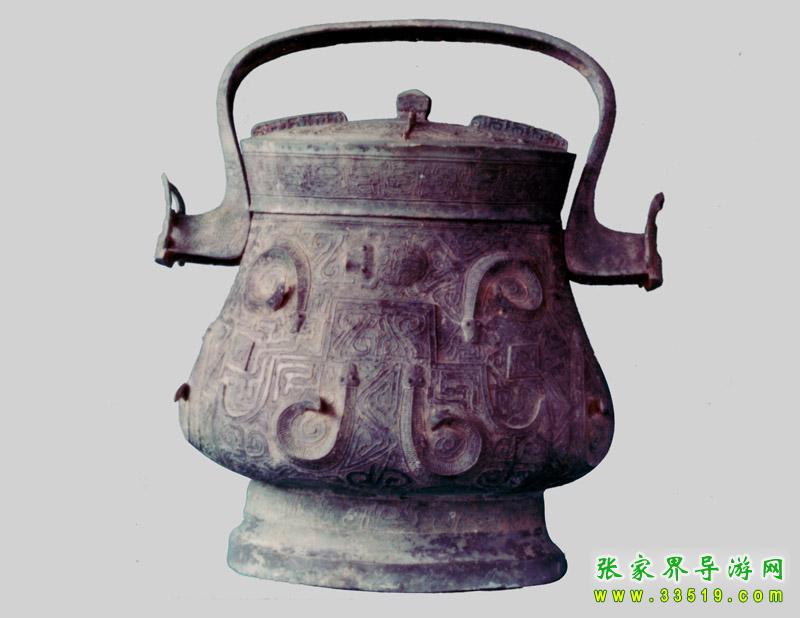
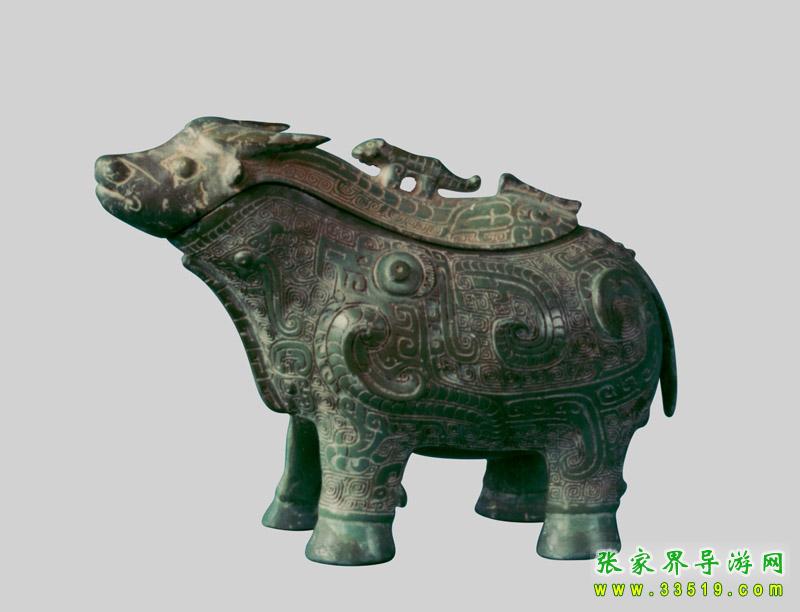
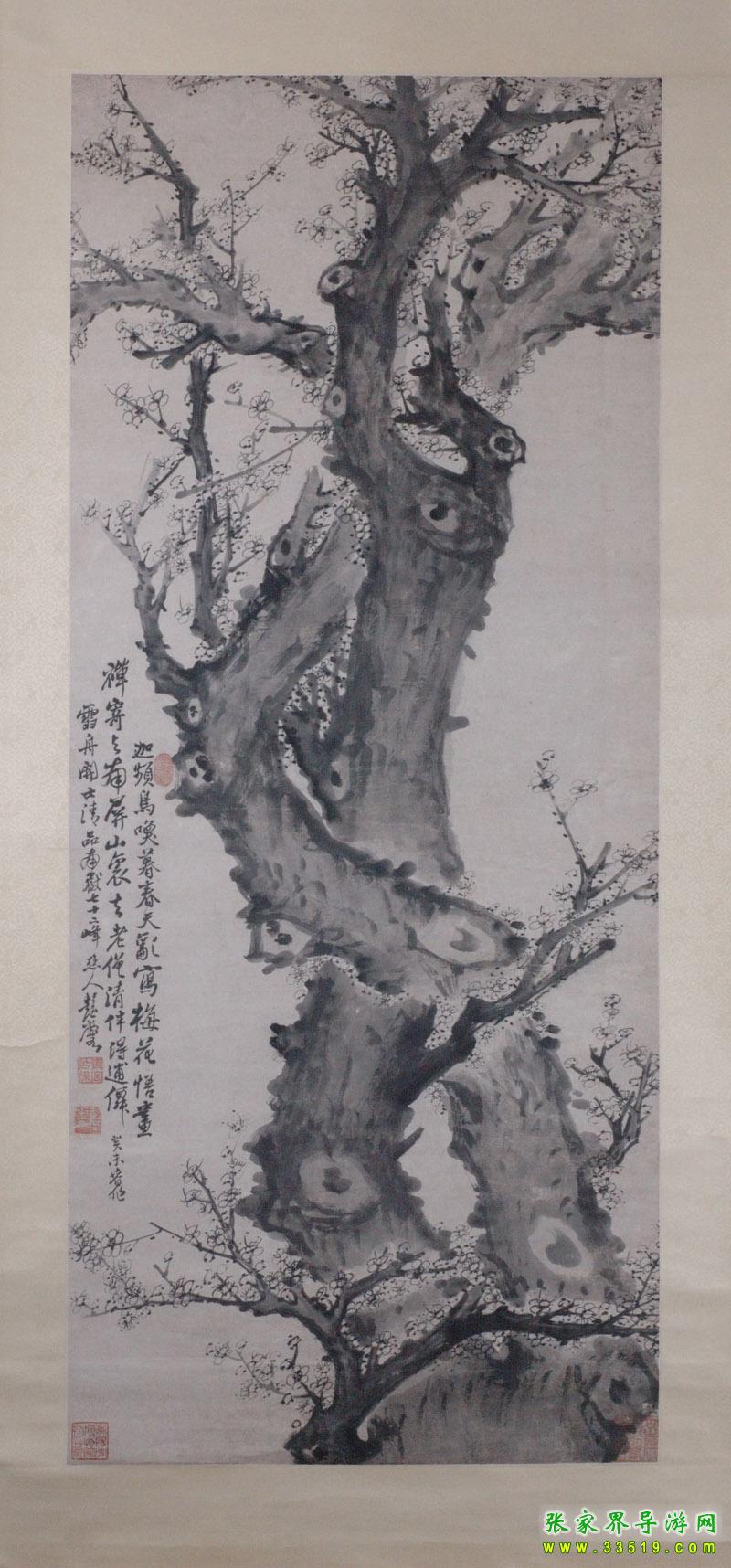
Hengyang Museum is a national key museum. Its building area covers more than 5,000 square meters. Since its establishment in 1973, through archaeological excavation and social collection, it has collected more than 35,000 items of various cultural relics, photographs, books, and documentary materials at all levels. The total number of cultural relic collections is 14,499 items, including 66 first-class cultural relics (sets), 182 second-class cultural relics (sets), and 2,052 third-class cultural relics (sets). Among these cultural relics, the most distinctive are Shang and Zhou bronzes, Ming and Qing paintings and calligraphy, Hengshan kiln pink-on-color painted porcelain, and Ming Dynasty textile clothing. Among the Shang and Zhou bronzes are the national treasure-level Spring and Autumn period animal-pattern bronze handled you and the gong-shaped bronze ox zun. Among the fine paintings and calligraphy is Xiao Yuncong's "Scroll of the Seventy-Two Peaks of Mount Heng" from the Ming Dynasty. Among the porcelain is the Hengshan kiln pink-on-color painted green-glazed granary. Among the textile relics is a brocade satin-faced lion-patterned bufu. As for other distinctive cultural relics of all kinds, they are even more noted at home and abroad for their large quantity, complete variety, exquisite shapes, and beautiful decorations.
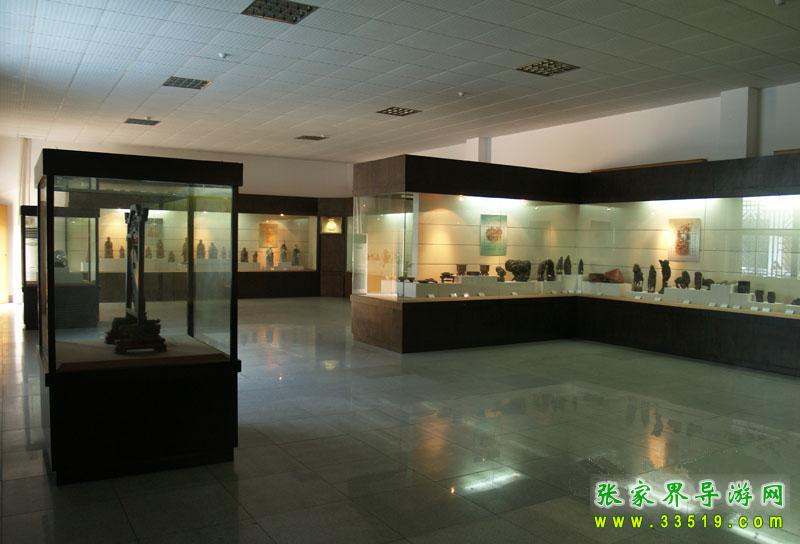
Hengyang Museum is a patriotism education base and a moral education base for youth in Hengyang City. The museum has 7 exhibition halls, with an exhibition area of 7,260 square meters. The basic exhibition is "Exhibition of Selected Cultural Relics from the Collection" (special exhibitions are set up for various types of cultural relics and changed from time to time). In addition, more than 10 temporary exhibitions with rich content and different styles are held each year.
To welcome visitors from all directions with first-class service and to use the various exquisite historical relics in its collection to promote Chinese culture and Hengyang local culture is the basic purpose of Hengyang Museum. Since its establishment in 1973, Hengyang Museum has received more than 500,000 Chinese and foreign visitors.
Hengyang Museum currently has five exhibitions: "Exhibition of Bronzes from the Collection," "Exhibition of Ceramic Treasures from the Collection," "Exhibition of Miscellaneous Craftworks from the Collection," "Exhibition of Calligraphy and Painting by Hunan Celebrities," and "Exhibition of Huxiang Culture."
Exhibition of Bronzes from the Collection
On display are more than 100 cultural relics of various kinds from the Shang and Zhou periods to the Ming and Qing dynasties, including ritual vessels, weapons, measuring vessels, and various daily utensils used by ancient people in their daily lives. It is the most vivid teaching material for studying and understanding how the ancestors of Hengyang lived and multiplied on this land; it is also the best physical material for studying how Hengyang at that time existed within and merged the two great cultures of Chu and Yue. Examples include the national treasure animal-pattern bronze handled you, Yue-style ding, and Chu-style bronze swords. In the 180-square-meter exhibition room, more than 90 fine bronzes are displayed. Among them, the Spring and Autumn period animal-pattern handled you is the most captivating. Comparable to it is the Shang Dynasty bronze ox zun, whose craftsmanship is exquisite and incomparably beautiful.
Exhibition of Calligraphy and Painting Works from the Collection
It gathers works by famous masters from the Ming and Qing dynasties onward and displays the artistic achievements of Hengyang's native calligraphers and painters. Among them are the long scroll "Seventy-Two Peaks of Mount Heng" by Xiao Yunchu, a leading figure in the calligraphy world, and the "Four-Script Calligraphy" screen set by Zeng Xi, a giant of the calligraphy world. These treasures of calligraphy and painting undoubtedly offer the broad audience a refined artistic enjoyment. To create a national excellent tourism city, comprehensively display Hengyang's profound cultural heritage, and build the brand of Hengyang as a famous historical and cultural city, the Hengyang Municipal Party Committee and Municipal Government launched this fine work in September 2007. This exhibition uses rich historical and cultural relics and documentary materials, conducts scientific research, and employs a combination of modern technology and traditional craftsmanship to comprehensively present to the audience the "Huxiang Culture," which enjoys high prestige nationwide and attracts much attention, greatly enriching the exhibition's connotation and raising its level. The entire exhibition is divided into four exhibition zones and five major parts, using 478 pictures, several hundred precious cultural relics, and 5 groups and 18 pieces of artistic works. It adopts various exhibition techniques such as three-dimensional and flat displays, taking the origin, development, and practice of Huxiang culture as its main thread, creating for the audience the best scene for a comprehensive understanding of the historical connotation of Huxiang culture.
Exhibition of Zhang Yingmu's Knot Sculpture Art Works
The more than 40 works exhibited in this hall are the finest creations of Mr. Zhang Ying from his decades of work in the forest region and his cultivation in the sea of art. The artist "turns the rotten into the magical," endowing otherwise useless tree knots with vivid images and rich connotations, thereby allowing people to derive enjoyment of beauty from them.
Ceramics Collection Display
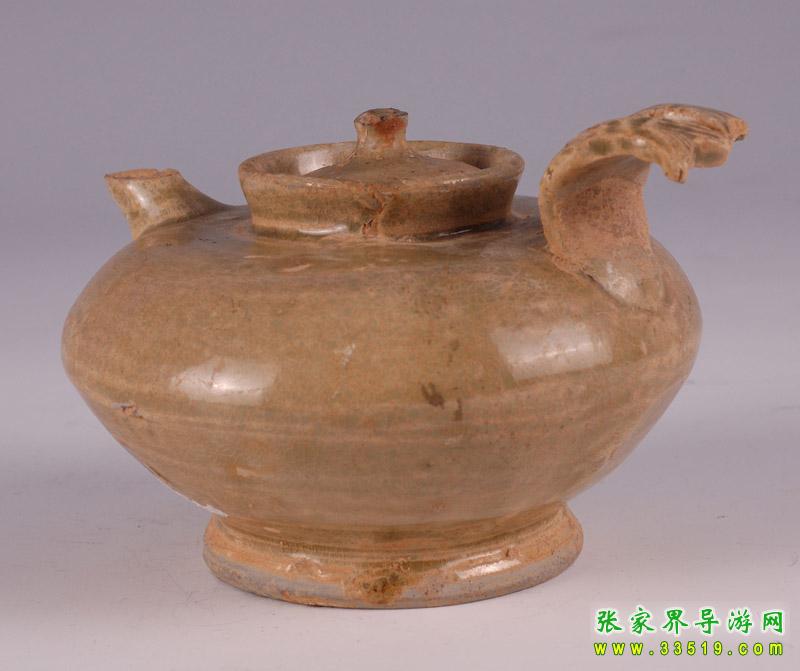
On display are more than 300 cultural relics of various materials and categories from the Neolithic Age to the late Qing Dynasty and early Republic of China. In the ceramics section, in terms of use there are practical household wares, decorative and ornamental pieces, and funerary mingqi. By kiln origin, there are Ge Kiln, Longquan Kiln, Cizhou Kiln, Jian Kiln, Changsha Kiln, Hengyang Kiln, Hengshan Kiln, and others. By technique, there are wheel-thrown, piled-sculpture, appliqué, incised, mold-impressed, and various glaze colors. The miscellaneous crafts section is even more all-encompassing and diverse in type, including stoneware, lacquerware, bone implements, bamboo and wood carvings, and various metal objects. There are both the four treasures of the study used by famous figures and masters, and everyday utensils of ordinary people. The display in this hall is presented in three parts: tomb burials, hoard excavations, kiln-site excavations, and handed-down porcelain. Among them are ceramics from before the Qin and Han dynasties, porcelain from the Wei and Jin periods, and products from the city's Jiangjia Ci Kiln,HengshanKiln, as well as a dazzling array of fine handed-down wares, leaving viewers awestruck. It can be said that this not only provides a broad audience with an opportunity to appreciate and understand the customs and habits, aesthetic tastes, and the level of craft development of people of successive dynasties, but also offers collectors an important platform for learning and reference.
Opening hours: 8:00 AM–12:00 PM; 2:30 PM–6:00 PM