This attraction introduction is compiled from historical materials in the "Zhangjiajie Tour Guide Network" (33519.com · Scenic Spots section). Ticket prices, opening hours, transportation, and contact information mentioned in the text may be outdated. Please refer to the latest official announcements from the scenic area before traveling; some content consists of historical background/cultural introductions and is for reference only.
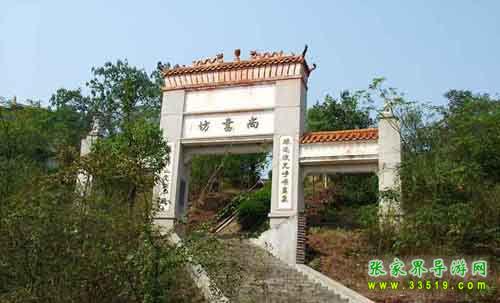
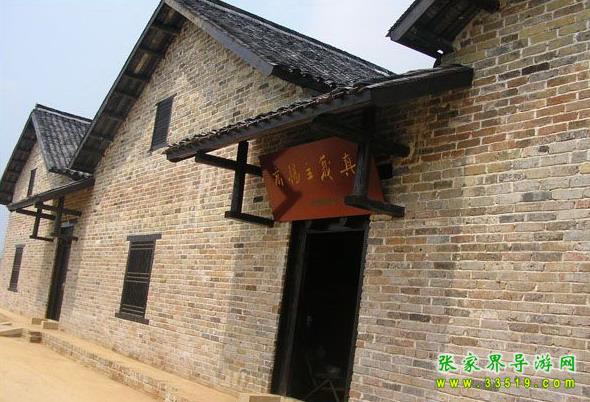
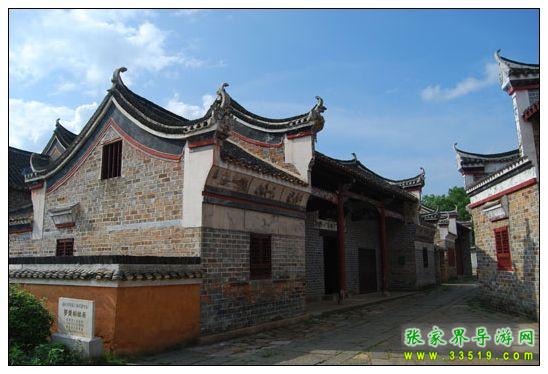
The Shangshu Ancestral Hall was first built in the Ming Dynasty, located in Shangfeng Village within Songjiang, 22 kilometers west of Songjiang Township. The hall faces south with a brick-and-wood structure, and includes a front hall, rear hall, side rooms, a stage, memorial archways, and pavilions, covering an area of more than 20,000 square meters.
Wang Shangshu, whose given name was Zhao and whose courtesy name was Boxuan, was a native of Aishi in Songjiang. He came from a prominent central Hunan clan that had produced holders of the highest examination degree and officials generation after generation. In the fifth year of Chenghua, Jichou (1469), he was promoted to Right Vice Minister of Works and was granted the title of Tongyi Dafu. In the tenth year of Chenghua, he was transferred to Left Vice Minister and ordered by imperial decree to repair the Grand Canal and the Imperial College. In the sixteenth year of Chenghua, owing to flood control work and accumulated exhaustion, he fell ill and died in his native place at the age of 68. When the emperor heard of his death, he was deeply grieved, bestowed two steles, and ordered the construction of the Shangshu Ancestral Hall in his hometown. During the ten years of turmoil, it was damaged. In 1994, Wang's descendants, mindful of their ancestor's merits, raised funds to restore it. The present Shangshu Ancestral Hall preserves the style of Ming Dynasty ancient architecture and has dedicated caretakers. The hall's environment is elegant, with towering ancient trees, birdsong and fragrant flowers, and pleasant shade. The magnificent buildings are solemn and quiet, with carved beams and painted rafters, flying clouds and drifting shadows, shining brilliantly. The cloud-ladder-like path makes one feel as if entering a fairyland, and the towering memorial archway is like the Southern Heavenly Gate in the clouds, with the three large characters "Shangshu Fang" gleaming. A couplet on the arch reads, "Glorious traces shed light, towering in myriad forms; Zhaoshan is looked up to, shining through the ages," expressing the people's love and reverence for Wang Zhao. People from near and far, wishing to pay respects to the ancestor's countenance, often come to the hall to mourn and pray for blessings and peace. Incense burns continuously all year, and prayers are often answered.
"Virtue endures for a thousand years; the inscribed steles are carried on forever." To protect historical relics and ancient sites, the state listed the Shangshu Ancestral Hall as a county-level key cultural relic protection unit in 1996. It is one of the favored destinations for sightseeing visitors from near and far.