This attraction introduction is compiled from historical materials in the "Zhangjiajie Tour Guide Network" (33519.com · Scenic Spots section). Ticket prices, opening hours, transportation, and contact information mentioned in the text may be outdated. Please refer to the latest official announcements from the scenic area before traveling; some content consists of historical background/cultural introductions and is for reference only.
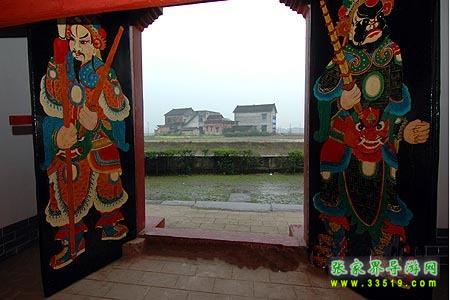
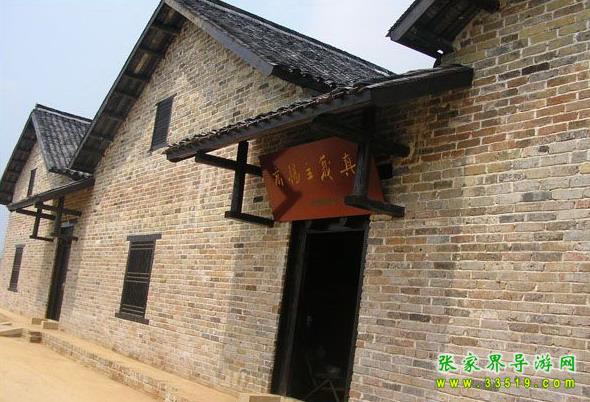
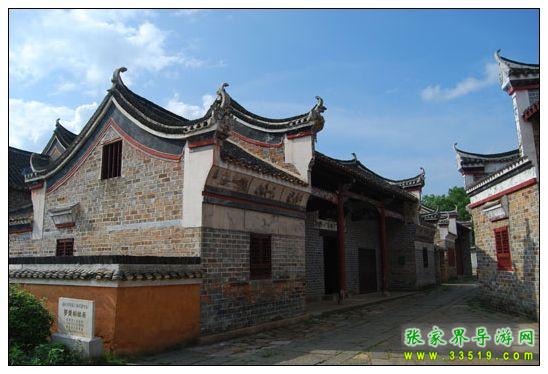
The former site of the Yuebei Peasant Workers' Union is in Baiguo Town, Hengshan County. The former site has a brick-and-wood structure and is a common ancestral hall building in rural Hunan, with two courtyards and three bays. The stone plaque "Liu Jie Ancestral Hall" is an original object. The former site of the Peasant Workers' Union is also called Liu Jie Third Company and is located in Yuebei Village, Baiguo Town. It is an ancient building from the Qing Dynasty. It faces south, has a earth-and-wood structure, and is covered with blue tiles. The entire building is shaped like the character hui, is 7.7 meters high, has five bays across the front and four bays in depth, has no inner courtyard, and has a building area of 402 square meters. The original building was burned down in 1923 during the suppression of the peasant movement and was rebuilt in its original form in 1924. In 1991, to celebrate the 70th anniversary of the founding of the Yuebei Peasant Workers' Union, the county government allocated special funds for maintenance and renovation.
In the spring of 1923, the Party sent comrades Liu Dongxuan, Xie Huaide, and others to Hengshan to carry out the peasant movement. On September 16 of the same year, the earliest peasant revolutionary organization in Hunan—the Yuebei Peasant Workers' Union—was established. It adopted a fighting manifesto against imperialism, feudalism, and warlordism and proposals for carrying out revolutionary struggle. Subsequently, struggles against landlords and the gentry class, such as selling grain at fair prices, organizing boycotts, and resisting taxes, unfolded like wildfire, and membership grew to 100,000. In January 1927, Comrade Mao Zedong came to Hengshan to investigate the peasant movement and once held a meeting here of county, district, and township peasant association cadres, warmly praising the Yuebei peasant movement as "very good" and the revolutionary action of Baiguo women opposing clan authority and storming the ancestral hall. After Liberation, the former site was repaired and renovated many times. Photos of the former site are also displayed in the Museum of the Chinese Revolution in Beijing. It is a provincial key cultural relic protection unit.