This attraction introduction is compiled from historical materials in the "Zhangjiajie Tour Guide Network" (33519.com · Scenic Spots section). Ticket prices, opening hours, transportation, and contact information mentioned in the text may be outdated. Please refer to the latest official announcements from the scenic area before traveling; some content consists of historical background/cultural introductions and is for reference only.
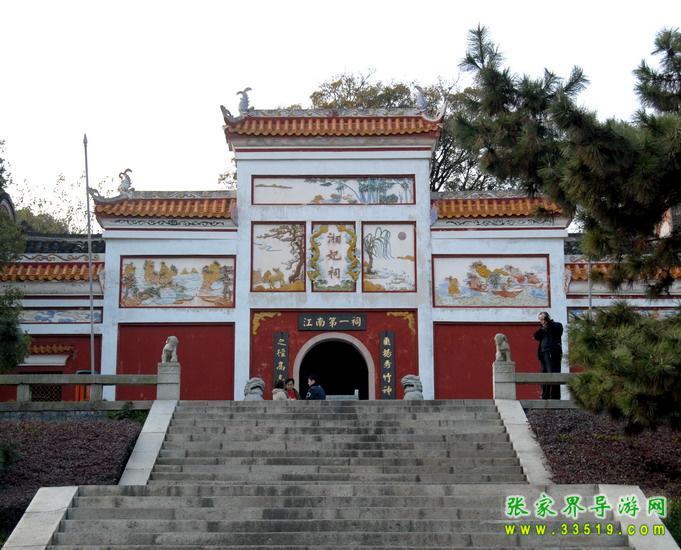
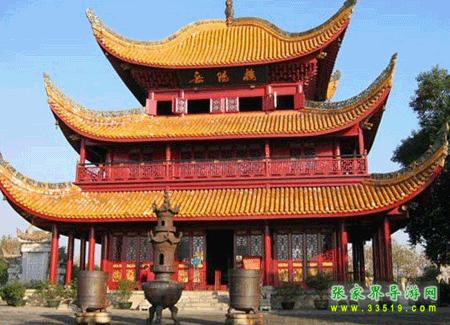
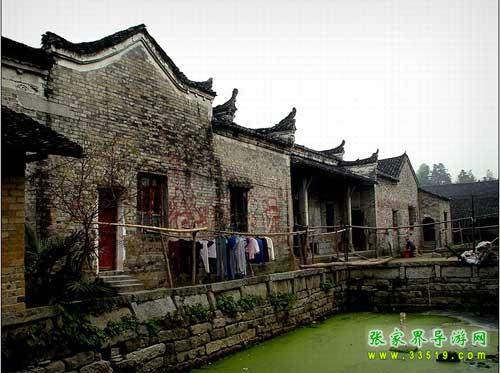
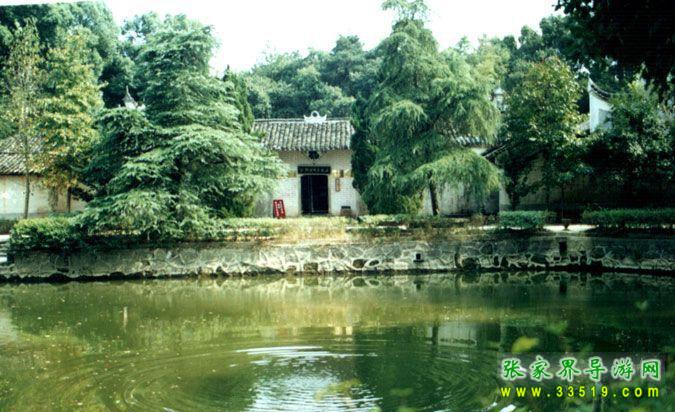
The Xiangfei Shrine, also known as the Xiangshan Shrine, is located on the east side of Junshan and is one of the earliest shrine structures in Hunan. According to the "Records of the Grand Historian: Basic Annals of Qin Shi Huang," it is recorded: "In the 28th year of the First Emperor (219 BC), ... he floated down the river to the Xiangshan Shrine." Li Misi, the magistrate of Baling County during the Tang Dynasty, wrote in "A Brief Record of the Xiangjun Temple": "In ancient times, a Xiangjun Shrine was established on this mountain, which was also called Junshan. After its temple was destroyed and abolished by the King of Qin, it remained without reconstruction for a long time." This shows that the Xiangfei Shrine existed before the Qin Dynasty, and it enshrines the Xiangfei—the two consorts of Emperor Yu. Legend has it that these two consorts were figures from the late primitive society of China (over 4,000 years ago), the two daughters of Emperor Yao. At that time, society practiced the abdication system. Emperor Yao, recognizing Shun's great abilities, wished to pass the throne to him. To conduct a three-year assessment of Shun, he married his daughters—Ehuang and Nüying—to Shun. With the help of Ehuang and Nüying, Shun successfully passed the assessment period, succeeded Yao to the throne, and became one of the most accomplished of the Five Emperors in ancient China. In recognition of the merits of Shun's two consorts, Liu Xiang of the Han Dynasty ranked them as the first in the "Biographies of Exemplary Women: Chapter on Maternal Models." After death, they became deities of the Xiang River, also known as the Marquis of Yuande. To commemorate them, people built a shrine on Junshan. Throughout history, the Xiangfei Shrine was destroyed multiple times and rebuilt multiple times. The current shrine was reconstructed in 1986 in a three-courtyard style, covering an area of 1,003.8 square meters. In front of the shrine stands a memorial archway inscribed with "Virtue Fragrant Near and Far." The first courtyard features a couplet for the Xiangfei Shrine written by Zhang Zhidong, the Qing Dynasty Governor-General of Liangjiang, which is 400 characters long. The second courtyard has two military statues on either side, with a poem by Li Bai inscribed in the center by Li Duo, Vice Chairman of the Chinese Calligraphers Association: "Gazing west from Dongting, the Chu River splits; waters end in the southern sky, no clouds in sight; sunset over Changsha, autumn colors fade far; where to mourn Xiangjun, I know not where?" The third courtyard houses a standing statue of the Xiangfei, with incense smoke curling in the shrine, creating a very solemn and reverent atmosphere.