This attraction introduction is compiled from historical materials in the "Zhangjiajie Tour Guide Network" (33519.com · Scenic Spots section). Ticket prices, opening hours, transportation, and contact information mentioned in the text may be outdated. Please refer to the latest official announcements from the scenic area before traveling; some content consists of historical background/cultural introductions and is for reference only.
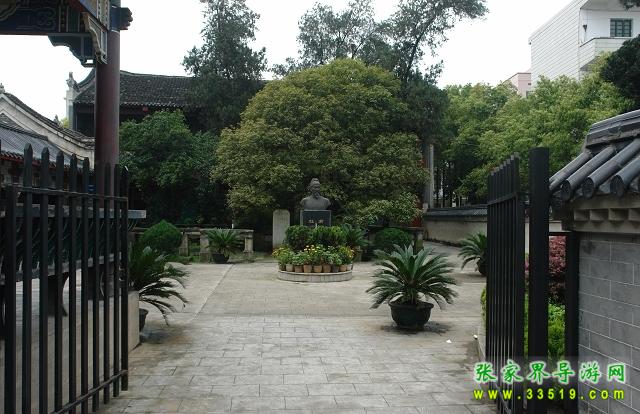
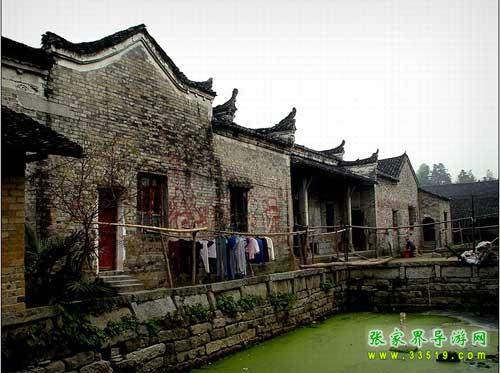
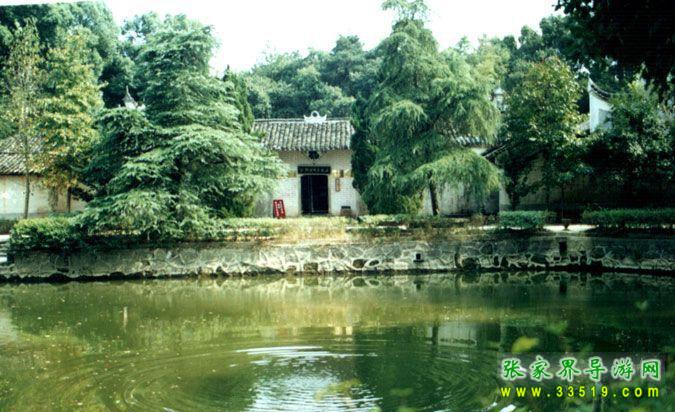
The Du Fu Tomb is located 16 kilometers south of Pingjiang County in Tianjing Lake, now Xiaotian Village in Daqiao Township, and is the final resting place of the great patriotic poet and world cultural celebrity Du Fu. The original tomb faced the Gui Mountain and Ding direction, with a flower-brick top, one chamber and two side niches, built with wedge-shaped bricks, and a red stone tombstone, typical of Tang Dynasty tomb style. Currently, there are an official hall and monk's quarters, with the monk's quarters' lintel inscribed 'Lanyou Nunnery.' Behind the hall and quarters is the Huanhua Thatched Cottage. Through the ages, the Du Fu Tomb and ancient structures have been repaired and rebuilt multiple times. The existing Du Fu Tomb was rebuilt in 1883 (the ninth year of Emperor Guangxu of the Qing Dynasty), with a combined diameter of 1 zhang, height of 5 chi, topped with sturdy thick stone blocks and a rear enclosure; the stele was replaced with bluestone, 1 zhang high and over 12 chi wide, flanked by stone slabs and framed with stone pillars. The tombstone is inscribed in the center with 'Tomb of Duke Du Wenzhen, Left Reminder and Ministry of Works Vice Director of Tang,' and on the right with 'Inscribed by Shu Zonglian, Acting Magistrate of Wuling County, Pingjiang County.' The Du Gong Temple, official hall, and monk's quarters in front of the Du Fu Tomb were also rebuilt in 1884. In 1885, the 'Tieping Poetry Society' was established behind the temple.
The Du Fu Tomb, temple, and Tieping Poetry Society cover ten mu, with a total building area of 3,865 square meters. The integration of tomb and temple is unique, forming a group of ancient structures of great cultural, historical, and ornamental value. It is recognized by the "Dictionary of Chinese Scenic Spots" edited by the State Administration of Cultural Heritage as the only Du Fu burial in the country, and was designated by the State Council in 1988 as a National Key Scenic and Historic Area. In 1956, the Du Fu Tomb was listed as a provincial key cultural relic protection unit, and in 1983, the Hunan Provincial People's Government declared it a provincial cultural relic protection unit. In April 1997, it was rated as one of the 'Ten Scenic Spots of Yueyang,' named 'Traces of the Poet Sage.'