This attraction introduction is compiled from historical materials in the "Zhangjiajie Tour Guide Network" (33519.com · Scenic Spots section). Ticket prices, opening hours, transportation, and contact information mentioned in the text may be outdated. Please refer to the latest official announcements from the scenic area before traveling; some content consists of historical background/cultural introductions and is for reference only.
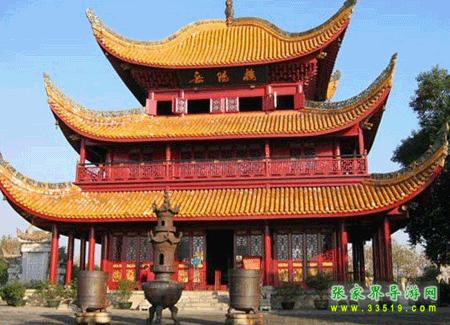
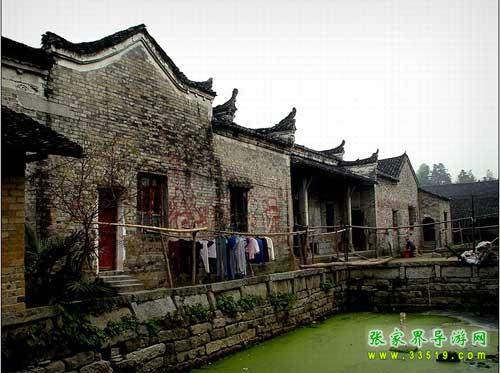
Zuo Zongtang, a "renowned minister of the restoration" of the Qing dynasty, was a native of Zuojia Duan, Xinguang Village, Jietoupu Town, present-day Xiangyin. He once served as Governor-General of Fujian and Zhejiang, Governor-General of Shaanxi and Gansu, and Governor-General of Liangjiang. He made tremendous contributions to defending the northwestern frontier of the motherland and ensuring Xinjiang's incorporation into the territory, and was a patriotic historical figure. At the time he was enfeoffed by the imperial court as the Marquis of Kejing. During his lifetime, Zuo personally donated funds to establish "Liuqing School." In the third year of Xuantong of the Qing dynasty (1911), the Zuo clan built an ancestral hall, known as the "Taifu Temple." The temple had two main halls and two side wings, with a mud-and-water (rammed earth) structure. The front hall, the Taifu Temple, bore a couplet written by Zuo Zongtang himself during his lifetime: "Though one reads thousands of volumes of rare books, without practice one is not truly learned; to preserve a family estate of six hundred years, the best plan is still to farm." The rear hall housed a Confucius Hall. The front and rear halls occupied 4,000 square meters and were later destroyed. In 1983, funds were allocated for its repair.
In Bajia of Wenxing Town, there is also the "Zuo Wenxiang Gong Temple" (also called Xiangguo Temple, or Zuo Gong Temple). In the eleventh year of Guangxu (1885), after Zuo's death, the Qing court granted generous posthumous honors, bestowing great mourning glory upon Zuo, and also had Zuo additionally enshrined in the Xianliang and Zhaozhong Temples in the capital, and built special temples in Zuo's birthplace and in the provinces where he had rendered meritorious service to commemorate his achievements. In the thirteenth year of Guangxu (1887), Hunan Governor Wu Dazheng, by imperial decree, built this temple. Inside was a statue of Zuo Gong, along with introductions to his achievements and poems, essays, elegiac couplets, and portrait eulogies by Zuo's friends and subordinates during his lifetime.
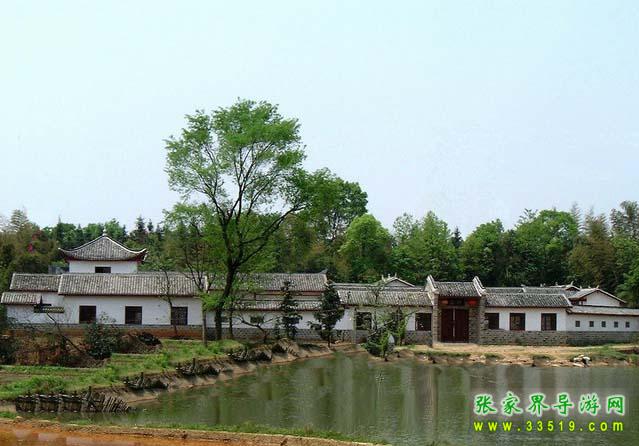
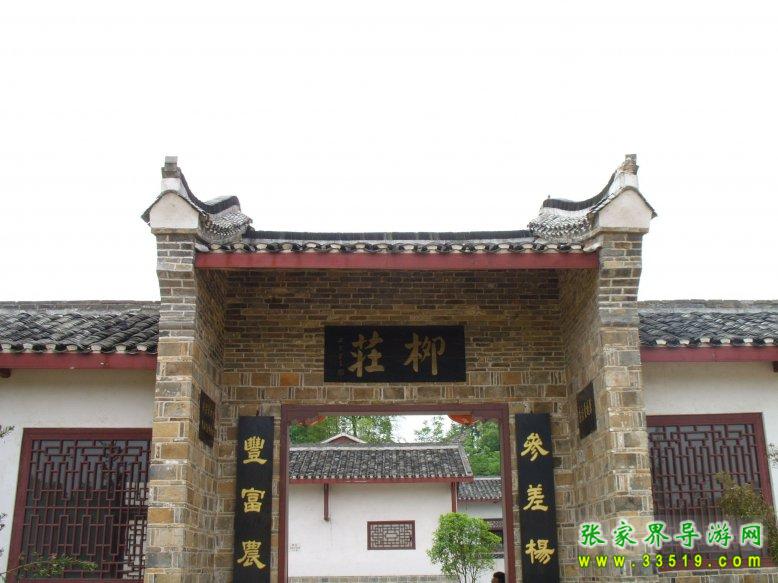
Liu Manor
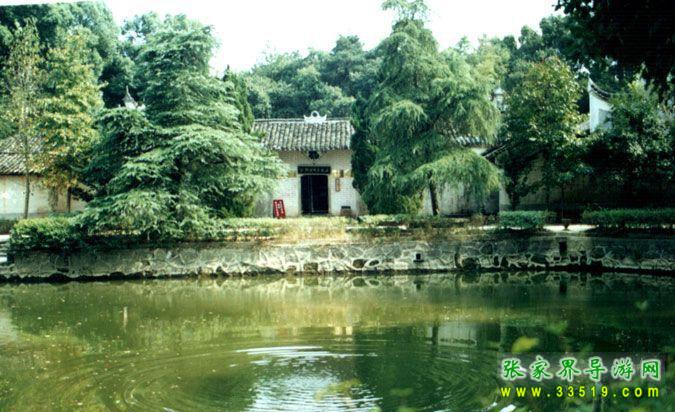
Liu Manor is located in Liujia Chong, Xunshan Village, Zhangshu Town, the place where Zuo Zongtang farmed at home before achieving prominence at the age of 36. At that time Zuo called himself "the Xiangshang Farmer" and tilled the fields for as long as 8 years. Adding the years after entering officialdom when he returned to Hunan to visit relatives and pay respects to ancestors, he lived here for 18 years in total. At that time the manor house had a facing gate, on which were the two characters "Liu Manor" inscribed by his own hand. Today's tea garden is still the Anhua tea he personally cultivated according to "new methods" in those years, and the tea garden remains flourishing to this day. During his reclusive period, Zuo Zongtang, "in quiet and leisurely times," besides farming, charitable relief, and establishing charitable schools, paid special attention to reading and writing books, leaving behind such works as the "Pucun Ge Agricultural Book." During this period, he systematically studied the geographical configurations of mountains and rivers throughout the realm, which laid a deep foundation for his later service in Luo's secretariat, the building of the Chu Army, his governance of several provinces, and the recovery of Xinjiang. Liu Manor thus became a cultural relic site for the study of historical figures.