This attraction introduction is compiled from historical materials in the "Zhangjiajie Tour Guide Network" (33519.com · Scenic Spots section). Ticket prices, opening hours, transportation, and contact information mentioned in the text may be outdated. Please refer to the latest official announcements from the scenic area before traveling; some content consists of historical background/cultural introductions and is for reference only.
Autumn wind rises on the lake, / Home is the water-shield soup of my native place, / Where in the world is the longing for home deepest? / Vast colors ripple the waves, and one cannot sleep, / A jade flute drifts with golden notes.
A mirror-clear expanse, unstained by dust, sweeping away mist and clouds; sand cold, dew white, the night sky bright, by the ancient harbor isle the fishing lights are still, and wild ducks nestle close.
In the Jin Dynasty, Zhang Han returned to his native place because of the autumn wind, making sliced perch and water-shield soup famous through the ages. According to the Records of Yuezhou Prefecture: water-shield was produced in Jiangsu and Zhejiang; although Yueyang was a land of rivers and lakes, only Lucheng had it, and so the lake was named after the water-shield, a name of long standing. By the Northern Song Dynasty, during the Jiayou era, the emperor privately visited Lucheng, feasted his eyes on the fine scenery of Yuliang and Ma'an by the river and sky, and joyfully admired the moon at Chun Lake, tasting the delicious water-shield soup and sighing that it was something not even the imperial palace possessed. Thus the fame of Chun Lake spread far and wide, and its moonlight became something everyone yearned for. There is also a legend that on Mid-Autumn night, a fairy maiden descended into the lake to gather water-shield to succor the world, which draped 'Chun Lake Moonlight at Night' in a veil of ethereal mystery and added a layer of romantic and mysterious color.
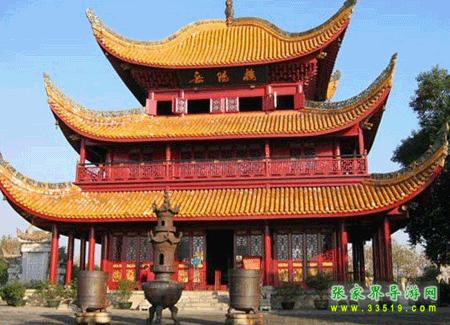
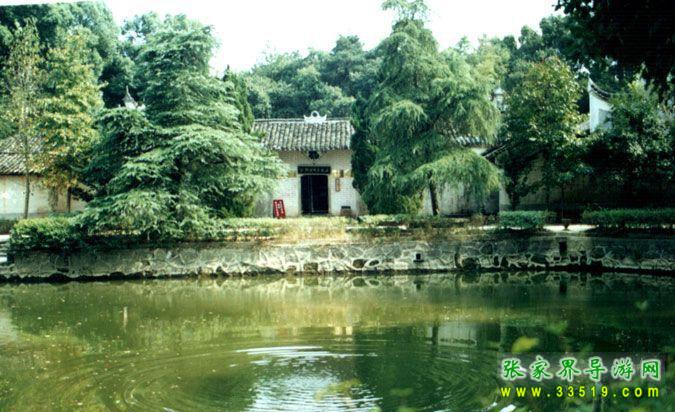
The lake lies outside the east gate of the city, its shimmering waves spread out like a jeweled mirror laid on its side; the city walls and towers cast their reflections into the lake, vividly as if painted. On the lake stands Phoenix-shaped Mountain, with the Martial Temple towering upon it; to the west is Lion Ridge, at whose foot was built the Baizi Nunnery, the retreat where Yang Yipeng, a minister of the Ming Dynasty, lodged his young daughter. Jiaoguang and Xingqiao Bridge mirror each other above and below, while the two pagodas of Guishan and Ruji face each other like a painting. At the lake's heart is the ancient harbor isle, the best place to stroll and pace beneath the moon; the Wan Zai Pavilion is even better for chanting poetry. The embankment built by Yang Tianguan and the stables where Ma Yin fed and drilled his horses still leave traces today. When the jade vault of heaven is clear and the bright moon rides the waves, a few fishing lights and ten thousand points of starlight set off a heart as pure as ice in a jade vessel; then, pulling on the oars and tapping the gunwales, roaming at leisure to enjoy the moon, one feels like riding a fairy raft to wander the Guanghan Palace, half suspecting a jade rabbit has slipped into the temple—what joy could surpass this?