This attraction introduction is compiled from historical materials in the "Zhangjiajie Tour Guide Network" (33519.com · Scenic Spots section). Ticket prices, opening hours, transportation, and contact information mentioned in the text may be outdated. Please refer to the latest official announcements from the scenic area before traveling; some content consists of historical background/cultural introductions and is for reference only.
Plying the oars in midstream, casting nets into the shoals and channels, selling fish and buying wine, joyful and carefree. By the ancient pagoda in the slanting sun, shadows of people are in confusion; drunk, one lies on the fragrant isle.
The waning moon atop the willow tips, a faint curved hook; a few morning stars float at the edge of the sky. From somewhere rises a clear, melodious song—a fishing boat by the rocky bank.
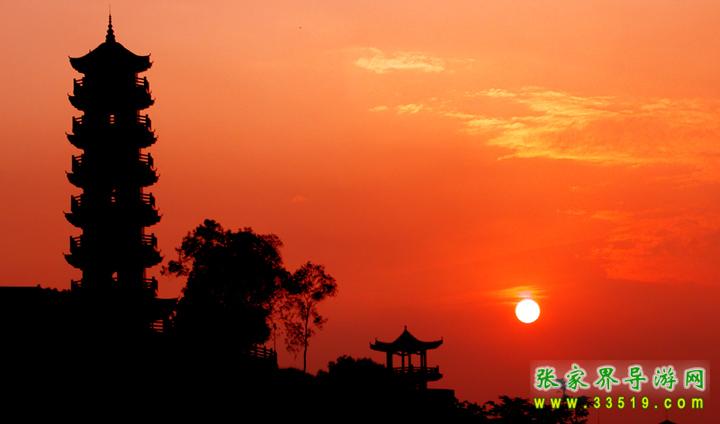
Ruji lies on the bank of the Yangtze eight li north of Lucheng, facing the river's edge. It was the ancient 'Rushan.' The Commentary on the Water Classic says: 'Rushan faces Yinji to the north.' The Zuo Commentary also says: 'The Viscount of Chu sent Zhou Qu to settle the Ru people,' from which Rushan got its name, and there are ancient cultural remains here. After the Ru people settled, because they lived by the water and sought fish and shrimp, with boats and nets, the area below the rock became a gathering point for fishing, and so it was also called Ruji, elegantly known as Ruji, later expanded into a place name and changed to Ruxi—which is the origin of today's Ruxi Village. Now Ruxi Town has newly been established and placed under the jurisdiction of Linxiang City.
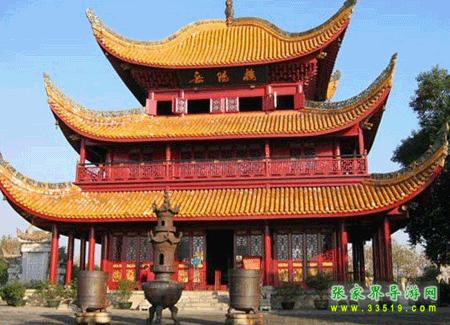
During the Guangxu reign of the Qing Dynasty (1881), Liu Ao, who served as Daotai in Taiwan, advocated building a solid seven-story, eight-sided pagoda 30 meters high on Ruji Mountain. Whenever the morning light crosses the river, the setting sun spreads its colors, wind and clouds remain unchanged, waves stay calm, nets are raised with fish, baskets are carried to buy wine, and in the drunkenness of heaven and earth one must sing freely—no less than the songs of a prosperous age, expressing a wild and expansive heroic spirit. Singing and responding on the river isle, unrestrained by musical modes, also has an ancient Chu style and the chanting of Sao-style verse. Through the ages, how many magistrates and officials have come to collect folk songs and learn the people's feelings, and how many poets and writers have climbed high to draw inspiration and nourishment. Thus the fishing songs and work chants of Ruji truly have a long history and lasting fame. Later, a new steamer wharf was built at Ruji, and from then on Hunan and Hubei were linked by water and land, with steamer whistles sounding from south to north. The colorful brush of the Four Modernizations has painted a brand-new picture for Ruji. The Ruji Pagoda displays an even more majestic appearance of the new era, and the Ruji fishing songs have added a new symphony of reform and opening up.