This attraction introduction is compiled from historical materials in the "Zhangjiajie Tour Guide Network" (33519.com · Scenic Spots section). Ticket prices, opening hours, transportation, and contact information mentioned in the text may be outdated. Please refer to the latest official announcements from the scenic area before traveling; some content consists of historical background/cultural introductions and is for reference only.
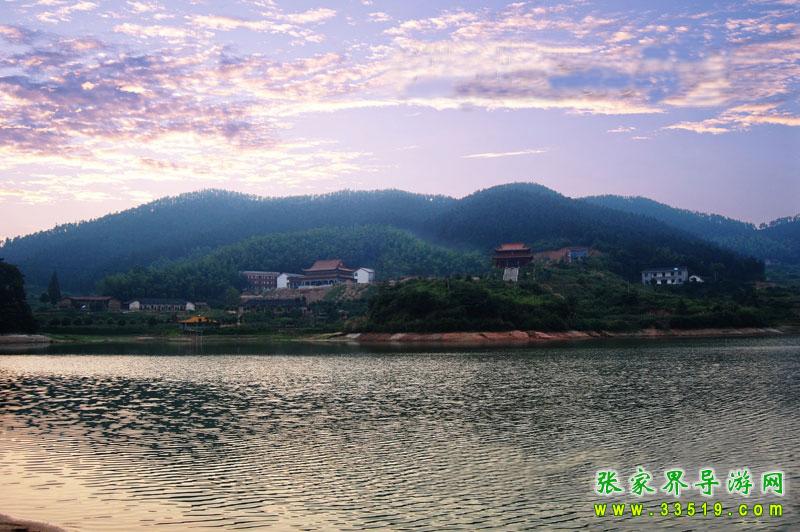
Shending Mountain is located within Huangbai Town in the southeastern part of Miluo City, named because legend says the Yellow Emperor gathered copper from Shou Mountain and cast a ding here. National Highway 107 passes by the mountain; it is 50 kilometers from the urban area of Changsha and 110 kilometers from the urban area of Yueyang.
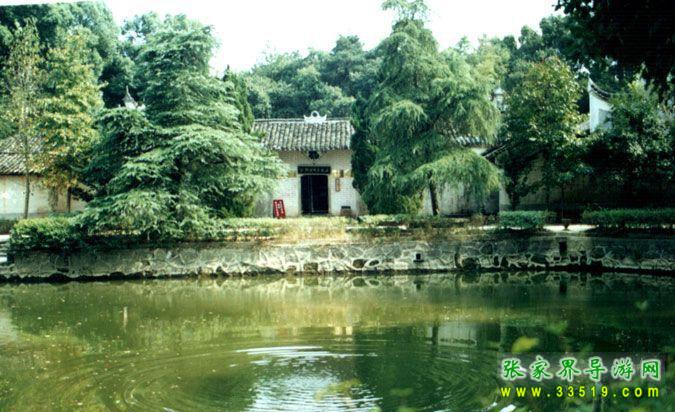
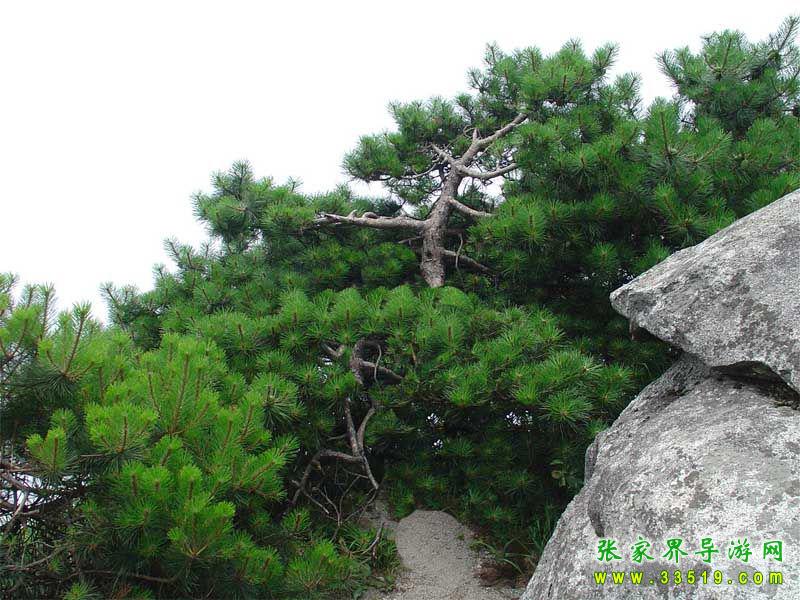
Shending Mountain belongs to the great southeastern mountain range; the main peak, Yuefeng Point, has an elevation of 464.3 meters, and the mountain area is 24,000 mu. The mountain body runs north-south, resembling a prism when viewed from above, winding and undulating, with peaks and ridges of varying heights. The mountain forests are emerald green, flowers and grasses are colorful, and the natural scenery is very beautiful.
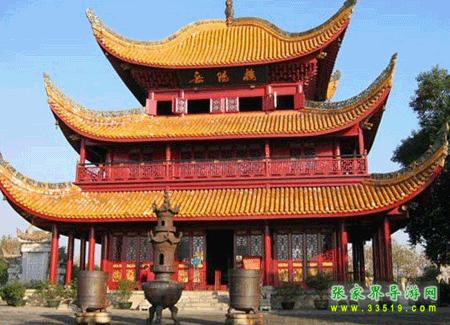
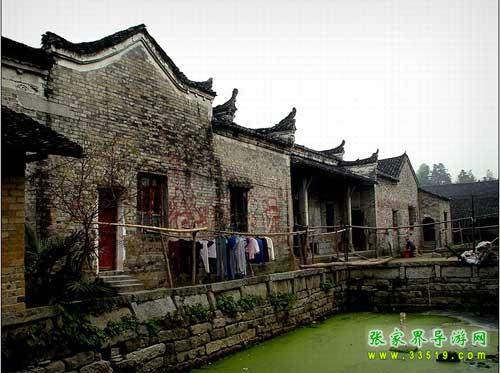
In the seventh year of the Dazhong Xiangfu period of Emperor Zhenzong of Song (1014), Zisheng Temple was built on Shending Mountain. In front of the temple, five mountains encircle and protect it, later called "Five Dragons Supporting the Sage." Emperor Renzong of Song inscribed "Zisheng Zen Grove." Through the Yuan, Ming, and Qing dynasties, it was repaired and expanded many times, and Zisheng Temple became ever more magnificent and splendid, with tremendous momentum; the towers, terraces, pavilions, and chambers were exquisitely structured and elegantly carved; year-round, Buddhist chants never ceased and incense smoke curled. The temple housed ten thousand volumes of scriptures and over 100 resident monks. From the first-generation Zen Master Hongyan, who came from Hengyue in the Song Dynasty, to the end of the Qing Dynasty, more than 40 generations had been transmitted. Among them, Zen Master Hongjue was imperially conferred by the Shizu of Qing. Zisheng Temple had strict Buddhist regulations and was the center for monks from northern Hunan, including Changsha's Kaifu Temple, to assemble and chant scriptures.
According to the "Shending Mountain Gazetteer," advocated for revision by Zen Master Huacheng Guo and compiled by Zen Master Eyuan Yuan in the 14th year of the Guangxu period of Qing (1888), the scenic spots of Shending Mountain include Zuyin Pool, Luohan Cave (also called Luohan Cliff), Qianfeng Peak (also called Yueshen Peak), Wansong Ridge, Shuanghong Bridge, Xianzu Stone (also called Xianji Stone), Qixing Garden, Huanlong Cave, Monkey Stone, Yanxia Ridge (also called Yanxia Lun), Boyu Peak, Tiaoshi Peak, Baiyun Wu, Jinlan Field, etc., as well as ancient objects such as the Ten-Thousand-Person Bed, Thousand-Person Pot, and Stone Stove. During the Great Leap Forward in 1958, Zisheng Temple and all cultural relics and historic sites were completely destroyed, and Shending Reservoir was built. Recently, a television relay station has been built on the main peak, Yuefeng Point. The Buddhist holy site of Shending Mountain is gradually being restored.