This attraction introduction is compiled from historical materials in the "Zhangjiajie Tour Guide Network" (33519.com · Scenic Spots section). Ticket prices, opening hours, transportation, and contact information mentioned in the text may be outdated. Please refer to the latest official announcements from the scenic area before traveling; some content consists of historical background/cultural introductions and is for reference only.
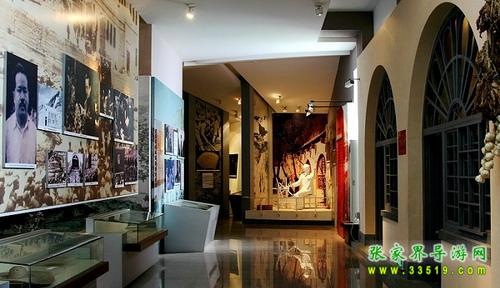
Dayun Mountain has a strategically important terrain and has always been a place contested by strategists. Li Zicheng's peasant uprising army in the Ming Dynasty and the Taiping Heavenly Kingdom soldiers in the Qing Dynasty came here several times. During the Great Revolution, the peasant movement developed rapidly here, and during the War of Resistance, Yang Sen used this place to resist the Japanese. In 1945, Wang Zhen and Wang Shoudao led the Southward Detachment to fight at Dayun Mountain, defeating Japanese troops and Kuomintang diehards here and achieving brilliant results.
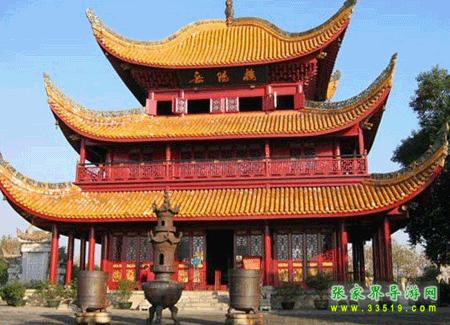
Dayun Mountain is also a famous religious mountain, with green hills and clear waters, a place of spiritual excellence and outstanding people. In the Song Dynasty, Shiguang, the Tongpan of Yuezhou, retired to Dayun Mountain to practice Daoist grain avoidance and became a generation's Daoist patriarch. Later, 28 temples were gradually built, with incense never ceasing; devout men and women from north and south of the Yangtze numbered more than 200,000 each year on pilgrimage.
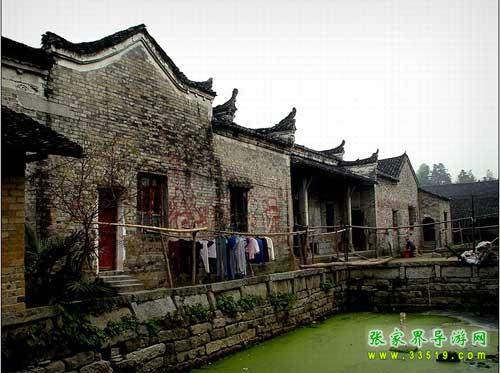
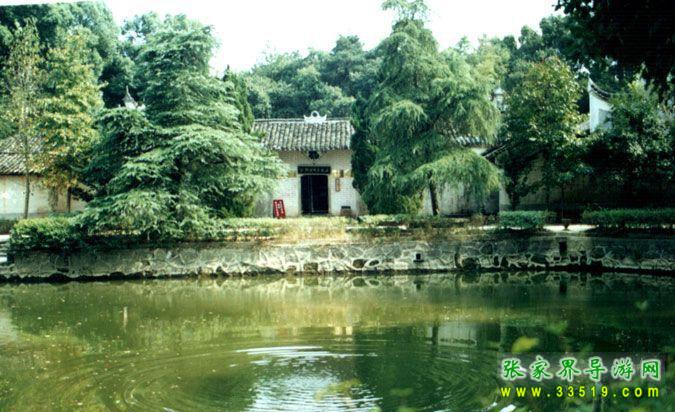
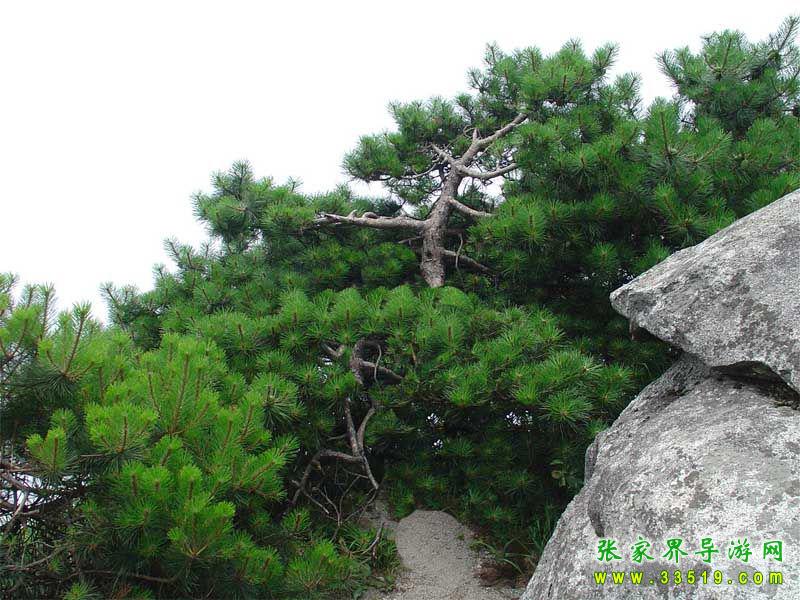
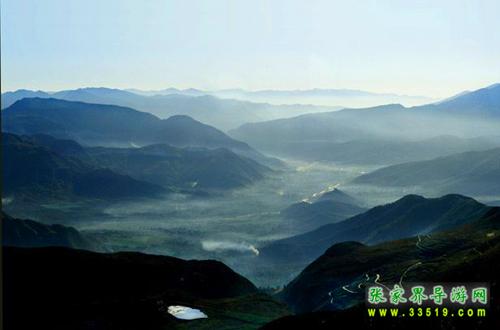
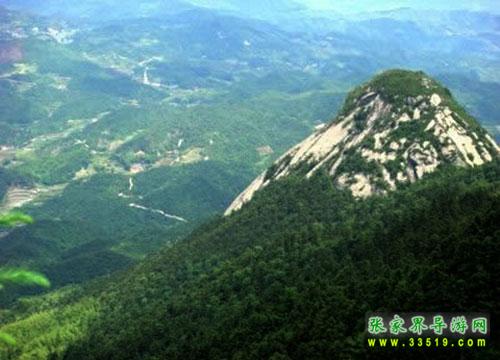
Dayun Mountain has green peaks piled with emerald, green waters flowing around, a scene of lushness and quiet seclusion. Forest waves, flying waterfalls, flowing springs, grotesque rocks, fantastic peaks, seas of clouds, inscriptions, stele forests, temples, and ancient halls are adorned in rich variety, enhancing each other's beauty and forming a magnificent sight. In April 1997 it was rated one of the Ten Scenes of Yueyang.