This attraction introduction is compiled from historical materials in the "Zhangjiajie Tour Guide Network" (33519.com · Scenic Spots section). Ticket prices, opening hours, transportation, and contact information mentioned in the text may be outdated. Please refer to the latest official announcements from the scenic area before traveling; some content consists of historical background/cultural introductions and is for reference only.
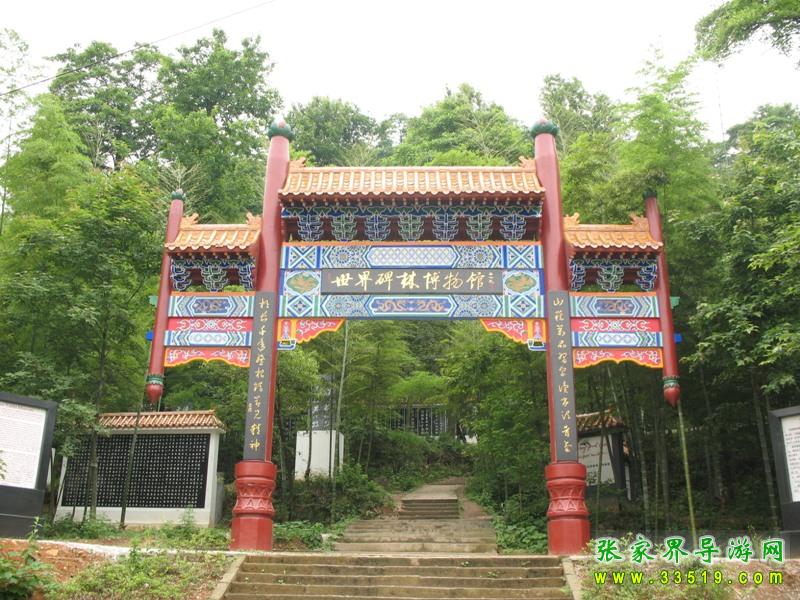
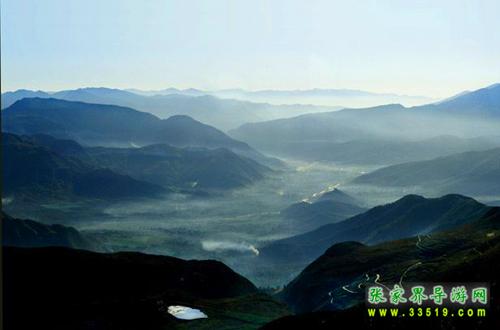
Wujian Mountain Provincial Forest Park is located 1 kilometer southwest of Linxiang City, the "Gateway to Northern Hunan." The Beijing-Guangzhou Railway, Beijing-Zhuhai Highway, and National Highway 107 pass alongside the park, and the Yangtze River waterway flows through to the north, offering convenient transportation. Wujian Mountain rises abruptly from the hills, named for its five peaks: Jiaoding Mountain, Yingzui Mountain, Zhoujia Mountain, Wangcheng Mountain, and Magu Mountain, with an elevation of 588.1 meters. The park covers 1,800 hectares, with a forest coverage rate of 98.2% and a standing timber volume of 50,000 cubic meters.
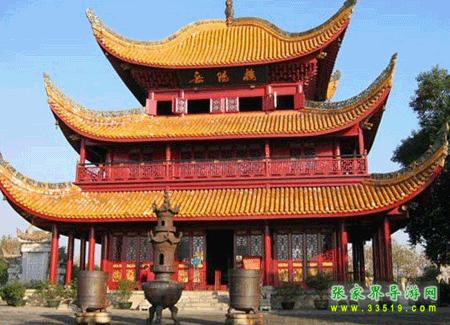
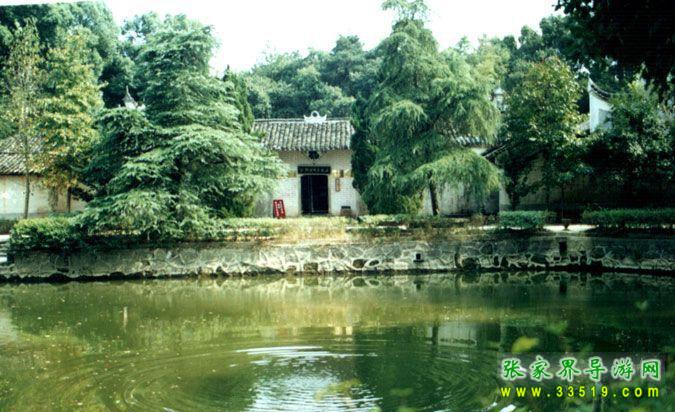
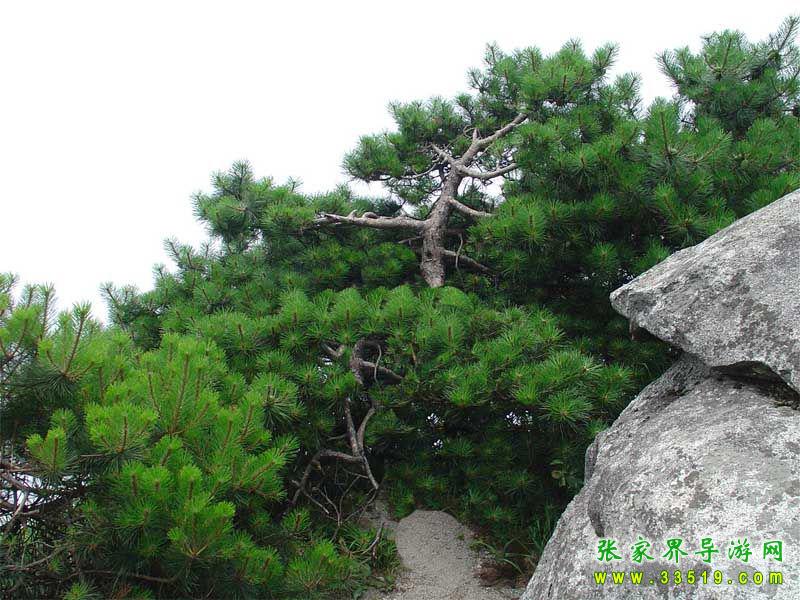
The park is divided into four major scenic areas: Wangcheng Mountain, Granite, Chaijia Ravine, and Baibu Stairway, with more than 60 cultural and natural scenic spots in total. According to research, as early as the early Song Dynasty, Wujian Mountain already had a Buddhist site. The "Baibu Stairway" was built when Emperor Qianlong of the Qing Dynasty toured the south of the Yangtze; "Xianggong Ravine" was named after Qu Yuan, who was demoted and spent leisure time here; the "Point-Commanding Platform" and "Drill Ground" were built by the famous Eastern Wu generals Zhou Yu and Lu Xun of the Three Kingdoms; Li Shizhen of the Ming Dynasty came to this mountain to gather herbs; and entomologist Li Fengsun, after investigating Wujian Mountain and other places, wrote the world scientific masterpiece "Entomology." National first-class police hero martyr Lu Yunxin's soul is tied to these green mountains. In spring, peach blossoms are pink and pear blossoms white, with a hundred flowers vying in beauty; in midsummer, flying waterfalls pour down jade, and pine winds bring coolness; in deep autumn, osmanthus fragrance drifts, and red maples dot the scene; in harsh winter, green pines and emerald bamboos stand proudly against frost and snow. The scenery of Chaijia Ravine is especially superb, leaving one breathless with admiration. The valley is secluded and the cliffs perilous; trees twist and vines entwine; grotesque rocks stand upright like a hundred beasts viewing the scenery; waterfalls fly down as if the Milky Way were falling from the sky. Rare birds and animals roam the ravines, and precious herbs and miraculous medicines grow in the forest. Standing in this place, one feels relaxed and joyful.