This attraction introduction is compiled from historical materials in the "Zhangjiajie Tour Guide Network" (33519.com · Scenic Spots section). Ticket prices, opening hours, transportation, and contact information mentioned in the text may be outdated. Please refer to the latest official announcements from the scenic area before traveling; some content consists of historical background/cultural introductions and is for reference only.
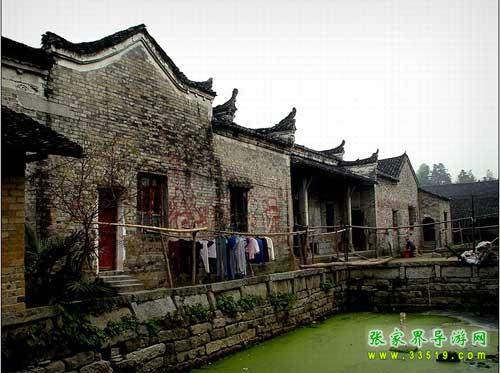
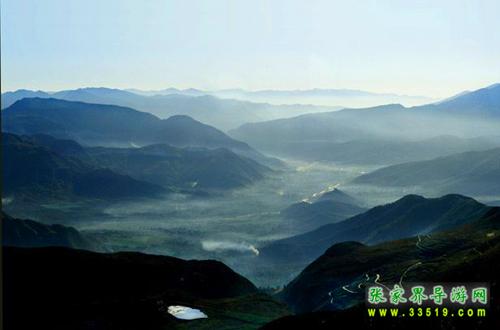
Yushan Zen Temple is located in Nanzhu Village, Nanshan Township, 15 kilometers from the county seat, and is a religious activity site officially registered and open by the state. Yushan gets its name from the legend that Yu the Great climbed it while controlling the floods, and Yushan Zen Temple is famed for the miraculous efficacy of the Bodhisattva King Yu. According to historical records, the temple was first built during the reign of Emperor Hui of the Western Han Dynasty. Its practice hall stood upright on Yufeng at the southern foot of Yushan. The Mahavira Hall had three successive courtyards, with a brick-and-wood structure and single-story swallow tiles, quite magnificent. Incense offerings continued unbroken through the dynasties, and the deities were renowned for their divine power. It is said that Emperor Suzong of Tang and Emperor Qianlong of Qing both climbed Yushan to pray for national peace and prosperity; Du Fu, Liu Daxia and other literati also wrote poems and compositions at Yushan. However, such a fine famous temple and ancient monastery of more than two thousand years was unfortunately destroyed by the flames of the Japanese army, leaving only broken tiles and bricks, with the temple buildings completely gone. It is truly heartbreaking.
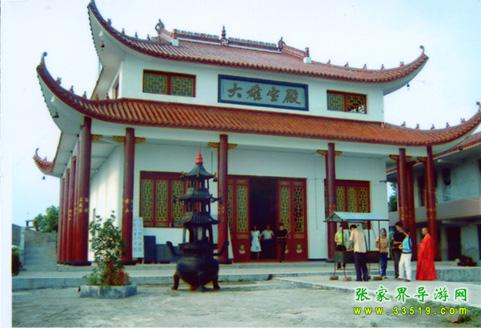
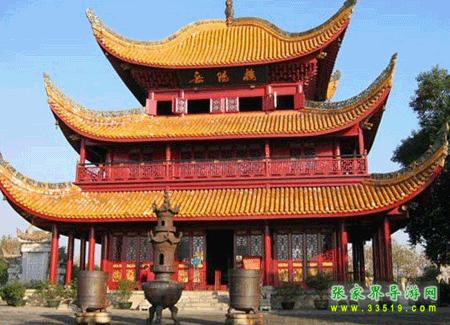
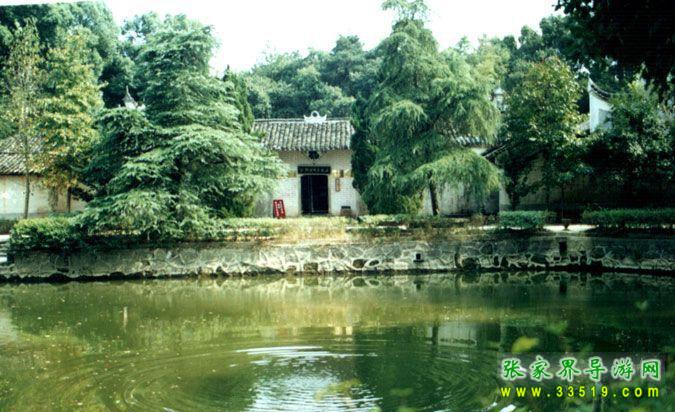
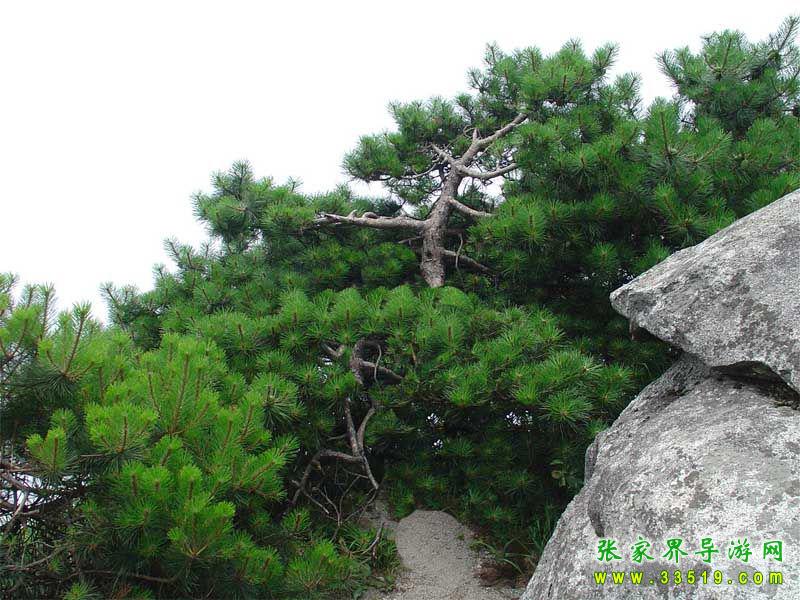
Since the reform and opening up, with the further implementation of the Party's policy on freedom of religious belief, the faith needs of the broad masses of believers have been fully met. In 1992, upon the application presided over by the bhikkhuni Shi Huaiqing, and after approval by the county people's government, Yushan Zen Temple was rebuilt. Today's Yushan Zen Temple is surrounded by green mountains and lush camphor forests, with a very pleasant ecological and cultural environment. The main buildings of the temple include the Mahavira Hall, the Buddha-Recitation Hall, the Hall of the Holy King Yu, the dining hall and monks' quarters. The entire complex is unique in style, majestic and solemn. A series of scenic and historic sites around the temple, such as King Yu's Three Boats, King Yu's Water-Viewing Chair, the Holy Mother's Washing Platform, the Western Han Stone Pillar Base, the Ming Dynasty Stone Drum, the Great Yu Hall Door Plaque, the Sedan-Chair Earth God Temple, the Tang Dynasty Old Patriarch's Nirvana Cave, Du Fu's Poem Inscription and the Simple Wenchang Pavilion, add splendor to the natural scenery and cultural landscape of Yushan Zen Temple and are truly fascinating. Therefore, since the temple opened to the outside world, believers and tourists have come in an endless stream, and incense has flourished. Truly, "Masters ascend the hall and sing together, morning bells and evening drums vie in melody; incense-bearing believers and tourists climb Yufeng, a naturally born ancient practice site."