This attraction introduction is compiled from historical materials in the "Zhangjiajie Tour Guide Network" (33519.com · Scenic Spots section). Ticket prices, opening hours, transportation, and contact information mentioned in the text may be outdated. Please refer to the latest official announcements from the scenic area before traveling; some content consists of historical background/cultural introductions and is for reference only.
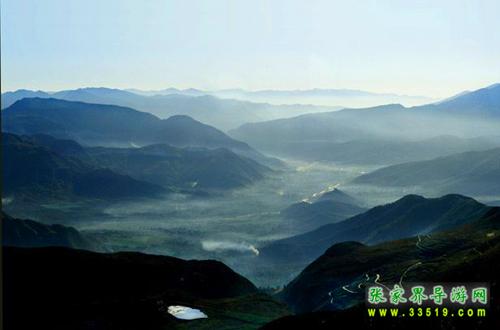
Moshan Zen Temple is located fifteen kilometers east of the county seat, surrounded by green mountains, with a pleasant climate, backed by the Yangtze River to the north, facing Dongting Lake to the south, adjoining the Wu Gorge to the west, linked to Baling to the east, with its spirit reaching Mount Heng and its momentum running through a long rainbow. Through the ages, men of letters and poets have left beautiful poems and prose at this sacred place.
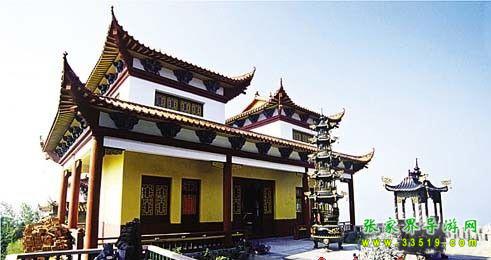
The ancient Moshan Temple has a long history and was first built in the Sui Dynasty. The Wanli County Gazetteer of the Ming Dynasty records that Moshan was named Dayun Mountain. Master Zhiying of the Sui Dynasty, courtesy name De'an, secular surname Chen, was born in Huarong County town. At the age of eighteen he left home to become a monk at Dayun Mountain, and later studied under Master Hui'en of Mount Heng. During the Zhenguan period of the Tang Dynasty, Zen Master Xuanjian expanded the ancient Moshan
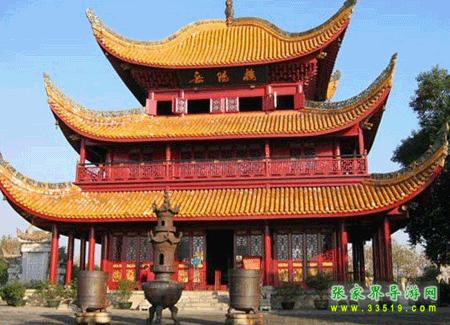
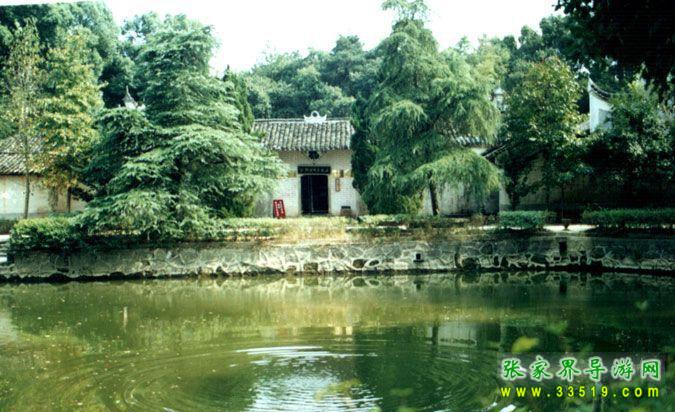
Temple and renamed it Moshan Zen Temple. It still preserves thousand-year-old relics such as the eminent monk's Wooden Fish Stone, Turtle Stone, Boat-Head Stone, Lotus Stone, Mysterious Stone Gate and Mysterious Stone Cave, as well as inscriptions left by Qu Yuan and Tang Dynasty prime minister Zhang Rui. In 1992, with the approval of the county United Front Work Department and the Ethnic and Religious Affairs Office, Moshan Zen Temple was rebuilt, with Shi Huaijing and Shi Huaijian presiding over the reconstruction. In recent years, a series of buildings including the mountain gate, the Hall of Heavenly Kings, the Bell and Drum Towers, the Sutra Library, the Lotus Pond, the Mahavira Hall, the Thousand-Hand Thousand-Eye Guanyin Hall, the Buddha-Recitation Hall, the rear hall, the dining hall building, monks' quarters and the reception hall have been completed one after another. Today's Moshan Zen Temple is surrounded by green mountains and shaded by green trees, truly "a good place for travel and cultivation, a naturally born ancient Zen temple." After completion, Moshan Zen Temple covers a total area of 6,700 m2, with a building area of 3,150 m2 and a total cost of more than 3.8 million yuan. The temple has eighteen resident clergy. Based on the temple-development philosophy of putting people first and cultivating monastic talent, two people have gone to the Guangdong Buddhist Academy for further study and four to the Changsha Buddhist Academy. Various rules and regulations are complete, Buddhist precepts are respectfully observed, morning bells and evening drums are sounded, meals are eaten at regular times, and management is orderly. At present, a new batch of building complexes, including the Moshan Zen Temple Buddhist Corridor, Dharma Hall, Reception Hall Building and Lay Practitioners' Building, with an investment of 2 million yuan, is under preparation. A garden-supported ten-direction monastery-style Moshan Zen Temple is about to be successfully completed with the support of the Venerable Master Baotan.