This attraction introduction is compiled from historical materials in the "Zhangjiajie Tour Guide Network" (33519.com · Scenic Spots section). Ticket prices, opening hours, transportation, and contact information mentioned in the text may be outdated. Please refer to the latest official announcements from the scenic area before traveling; some content consists of historical background/cultural introductions and is for reference only.
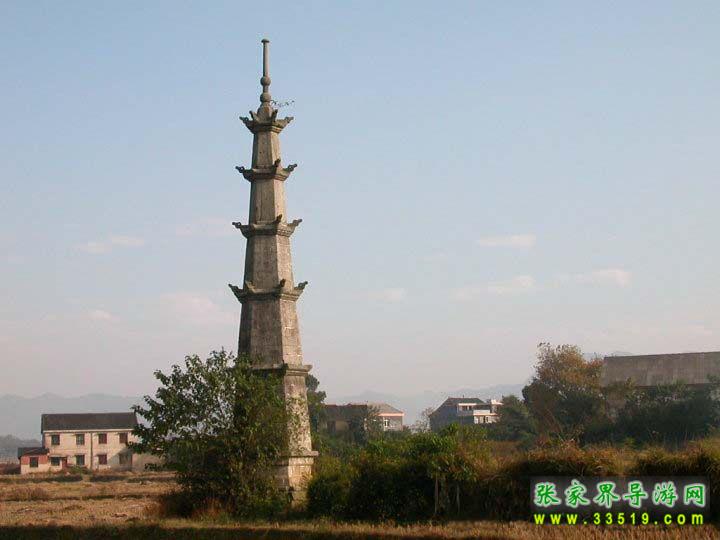
Wenxing Pagoda
"Two Pagodas Piercing the Clouds" is one of the eight scenic spots of the ancient city of Xiangyin. One stands by the lakeside southeast of the city, and the other by the river northwest of the city. The towering twin pagodas face each other from north and south. Wenxing Pagoda, located southeast of the city, was first built during the Song and Yuan periods, later collapsed, and was rebuilt in the 50th year of Qianlong of the Qing Dynasty (1785). "A statue of Kuixing was placed at the top, and walls and railings were built around it for strength," hence the name "Wenxing Pagoda," also called "Kuixing Pagoda." Visitors who come here say, "How many times have I leaned here recalling old traces, fondling the stele seal script and lingering even more."
Wulong Pagoda
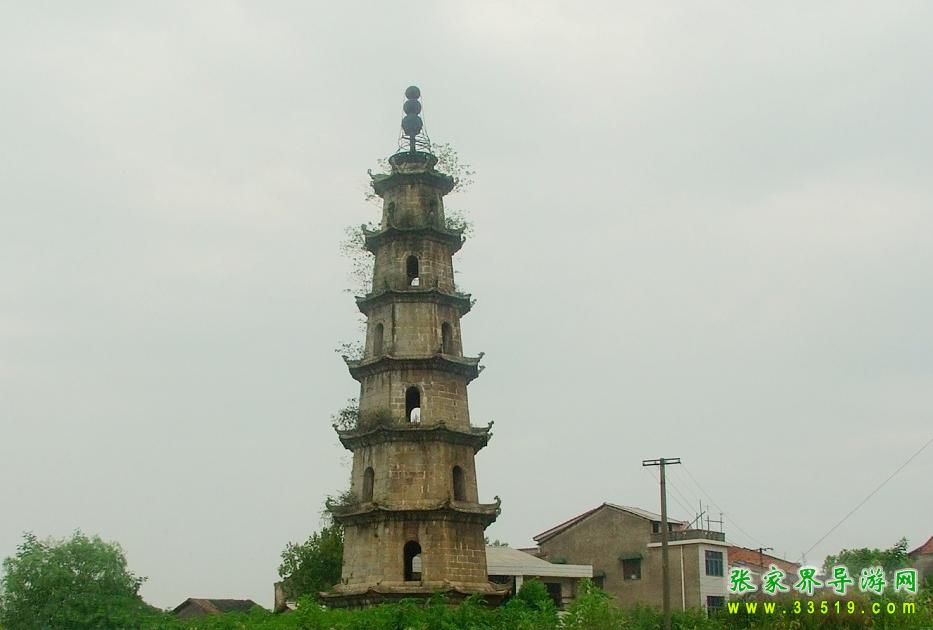
The ancient pagoda by the riverbank locks in the black dragon, its head and horns reaching into the sky as if testing an arrow's tip." Standing on the east bank of the Xiang River in the northwest of the city, the Wulong Pagoda was first built in the 50th year of the Qianlong reign of the Qing Dynasty (1785) and completed in the 3rd year of the Jiaqing reign (1795). Because a geomancer said that "when the black dragon shows its horns, a top scholar will be born," it is also known as the "Top Scholar Pagoda." From bottom to top, the top of the pagoda is formed by three pottery balls of different sizes, fired by the local Sanfeng Kiln Ceramics Factory. After more than two hundred years of wind, frost, rain, and snow, their color remains as bright and smooth as ever. The Wulong Pagoda majestically guards the Xiang River. For two hundred years it has witnessed the great river flowing day and night, and it has also pointed the way for boatmen on the river, guiding them through confusion.