This attraction introduction is compiled from historical materials in the "Zhangjiajie Tour Guide Network" (33519.com · Scenic Spots section). Ticket prices, opening hours, transportation, and contact information mentioned in the text may be outdated. Please refer to the latest official announcements from the scenic area before traveling; some content consists of historical background/cultural introductions and is for reference only.
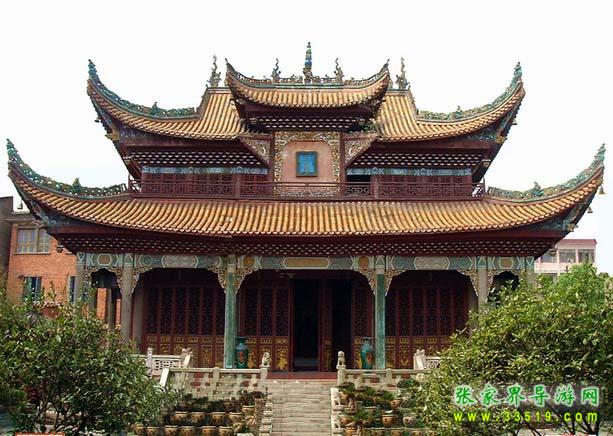
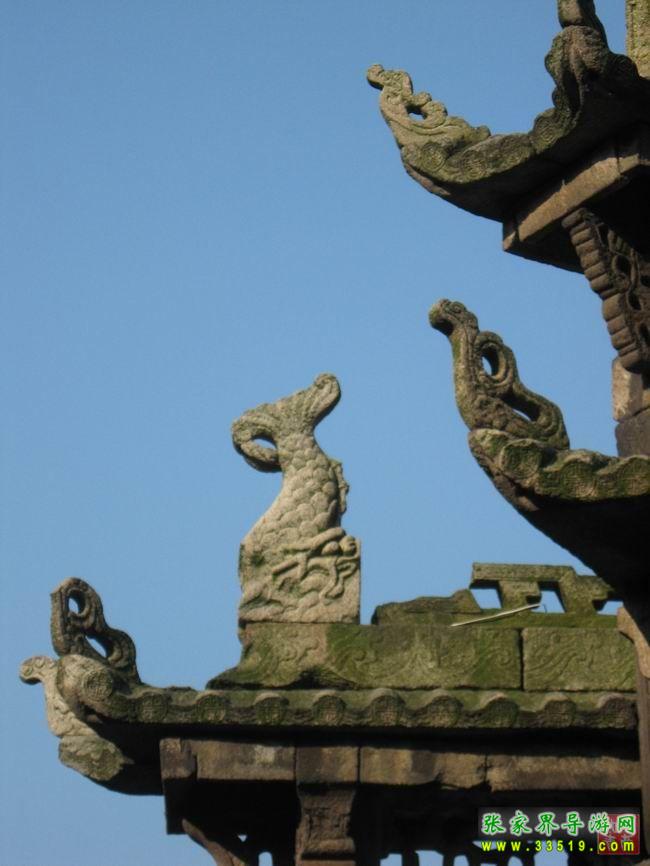
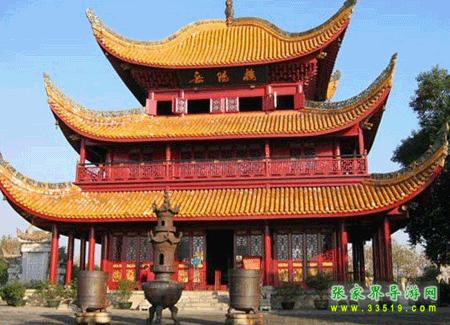
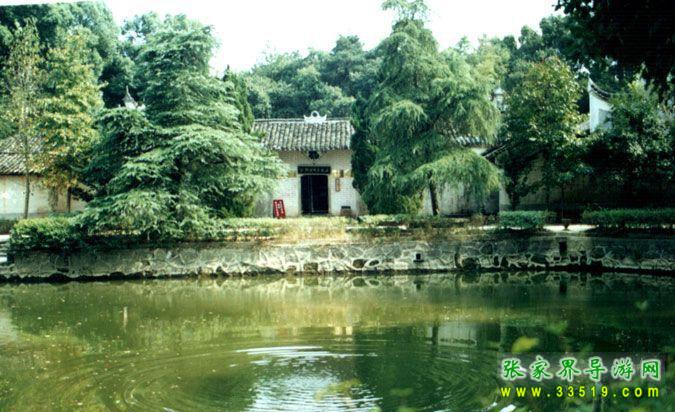
The Confucian Temple was first built in the 8th year of the Qingli reign of the Song Dynasty (1048), located on the west bank of East Lake in the county seat. It suffered repeated military fires and was repaired many times, and was completed in the 11th year of the Guangxu reign of the Qing Dynasty. The Dacheng Hall is the main building of the Confucian Temple. It has a Sumeru-style platform base, paved with granite, faces south, is 21.5 meters long from east to west, 17 meters deep from north to south, with a high eave of 1.5 meters, covering a total area of 410 square meters. The platform base is surrounded by stone railings, and the railing panels are carved with various floral patterns. The Pan Pond, the Top Scholar Bridge, and the Lingxing Gate archway are auxiliary structures of the Confucian Temple. There were originally 19 buildings, with a total area of 12,500 square meters, "the scale ranking first in the province." Extant today are the Dacheng Hall, the Top Scholar Bridge, the Pan Pond, and the stone archway. In 1984, the county government dismantled and rebuilt it. Now the hall is resplendent in gold and jade, completely renewed. Kang Zhuo wrote "Record of Rebuilding the Confucian Temple" for this. In front of the Confucian Temple is the "Top Scholar Bridge," spanning the "Pan Pond." According to the rules of the imperial examination era, only one who passed the highest examination as top scholar could ride a horse across the bridge. On both sides of the Top Scholar Bridge are two archways: on the south is the "Jinsheng Fang," and on the north is the "Taihe Yuanqi" archway. They are entirely made of granite blocks, with openwork carving and stone tenon structures. Their shapes are unique and the workmanship exquisite, leaving people amazed. The stone archways stand facing each other, and after more than seven hundred years they have not moved in the slightest.