This attraction introduction is compiled from historical materials in the "Zhangjiajie Tour Guide Network" (33519.com · Scenic Spots section). Ticket prices, opening hours, transportation, and contact information mentioned in the text may be outdated. Please refer to the latest official announcements from the scenic area before traveling; some content consists of historical background/cultural introductions and is for reference only.
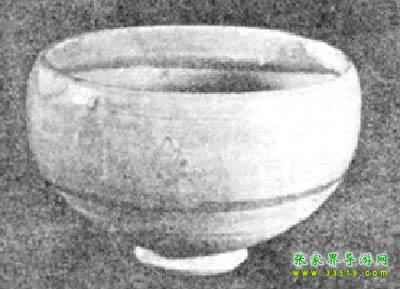
The Xiangyin Kiln was a folk porcelain kiln of the Jin and Tang periods, and later also fired imperial court wares. It belongs to the celadon system and is mainly characterized by stamped shadowy blue. In Lu Yu's "Classic of Tea" of the Tang Dynasty, the Yuezhou Kiln and Yuezhou Kiln are mentioned together. There are no written materials to verify the relationship between the Xiangyin Kiln and the Yuezhou Kiln. According to analysis, Tang Dynasty kilns were named after the prefecture to which they belonged. When Xiangyin changed all commanderies in the realm into prefectures at the beginning of the Wude reign of the Tang, Xiangyin was under Yuezhou, so today's Xiangyin Kiln may be the Tang Dynasty Yuezhou Kiln.
The Xiangyin Kiln is mainly distributed in the dike and embankment area of the Xiangyin county seat. It is 150 meters long from north to south and about 6 meters deep. The kiln's products were mainly daily necessities, such as bowls, alms bowls, plates, cups, washbasins, pots, jars, and urns, and so on. The glaze color was mainly celadon glaze, with some sauce-colored glaze. The celadon glaze was lustrous and shining, transparent or semi-transparent, often with glassy crackle. Usually the upper half was glazed and the lower half left unglazed, with hanging glaze like tears. The sauce glaze was not very transparent, slightly crackled or not crackled. The body can be divided into three types: porcelain body, tile body, and vat body, with porcelain body accounting for two-thirds of the total objects. Saggers were widely used in firing, which was a major innovation in ceramic craftsmanship. In addition, in the Tiejiaozui area of Xiangyin County there are also ancient kiln sites from the Jin and Tang periods, but mainly Tang Dynasty products, most of them celadon bowls with wall-shaped feet. The kiln sites are distributed along the west bank of the Xiang River from north of Tiejiaozui to the Wujia Ancestral Hall area, and can be divided into upper, middle, and lower kiln zones. The porcelain of the Xiangyin Kiln played a role linking the past and the future in the development of ancient porcelain in Hunan, and is a pearl among Hunan's porcelain kilns.