This attraction introduction is compiled from historical materials in the "Zhangjiajie Tour Guide Network" (33519.com · Scenic Spots section). Ticket prices, opening hours, transportation, and contact information mentioned in the text may be outdated. Please refer to the latest official announcements from the scenic area before traveling; some content consists of historical background/cultural introductions and is for reference only.
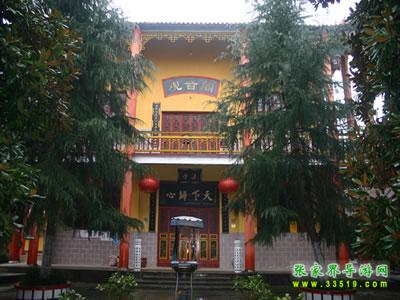
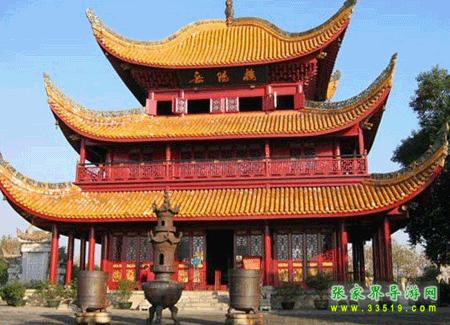
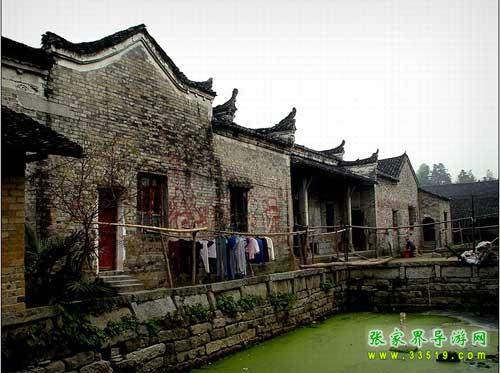
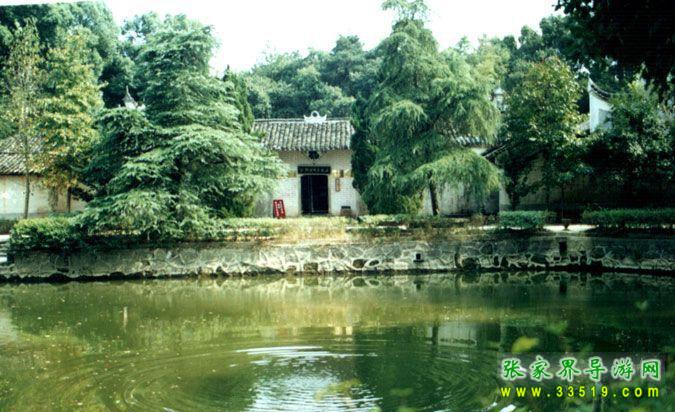
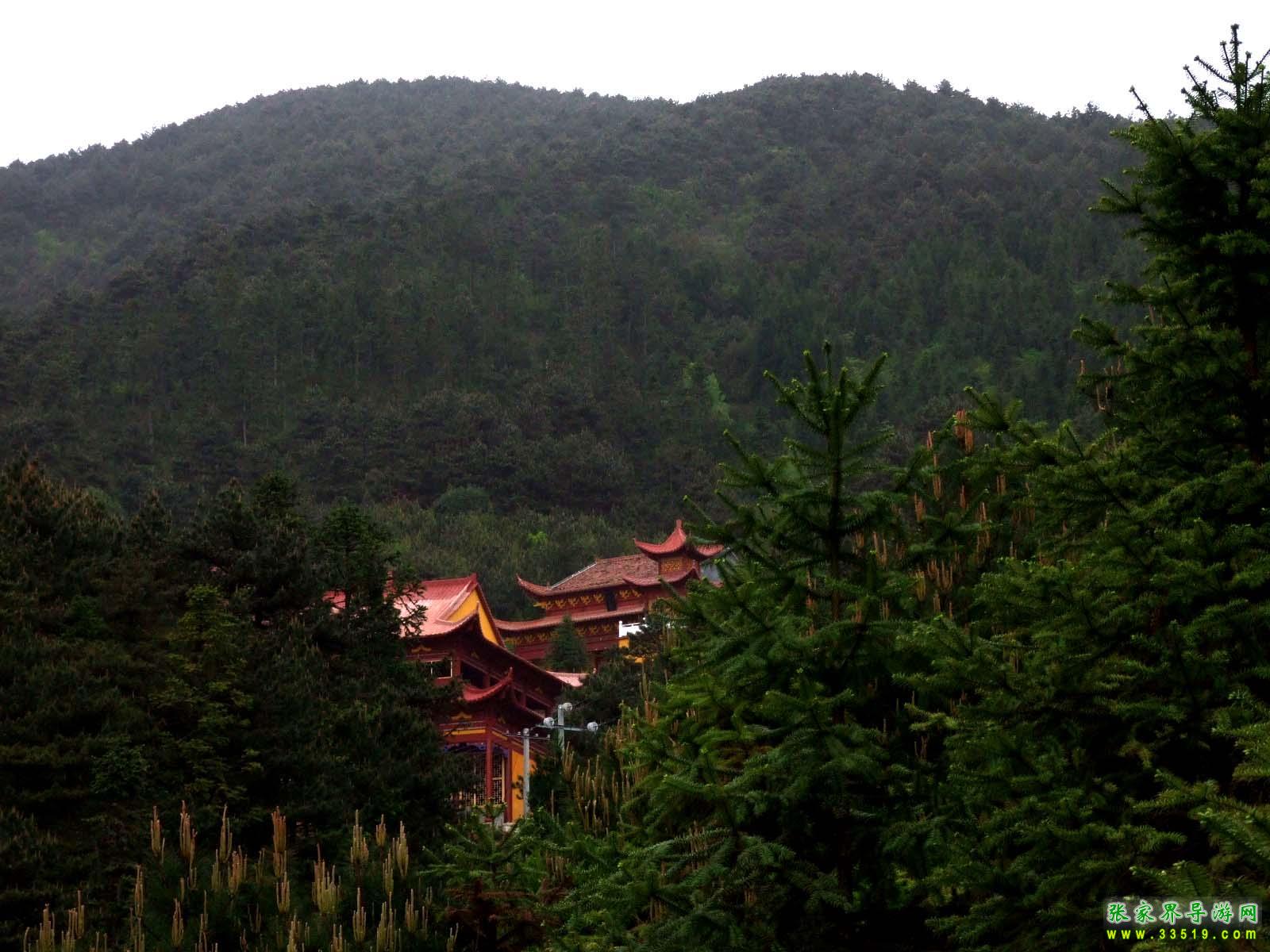
Dongshan Ancient Temple is located amid the Five Peaks Mountain in Wushi Town, Pingjiang County, Hunan Province. The temple is embraced by green hills, with ancient trees reaching the sky, an elegant environment, and beautiful scenery. The temple passes through the five peaks, which stand around it in a ring, symbolizing five Buddhas emerging into the world to relieve sentient beings of suffering. According to the "Hunan Provincial Geography Gazetteer" and "Pingjiang County Gazetteer," Dongshan Ancient Temple was first built in the fifth year of the Yuanhe era of the Tang Dynasty, with a history of more than a thousand years. At that time, famous monks emerged in succession, including the greatly enlightened Chan Master Ruhui of Dongshan Temple. At the height of its prosperity, the temple had more than 500 monks, making it the largest temple in the northern Hunan region. Due to various reasons, the temple had been occupied by a school for several decades. In May 1988, the school moved out, and with approval from the provincial and county united front departments, the ancient temple was restored and listed as a provincial key protected temple. Led by Master Benzhi, monks and lay supporters made great efforts and sought help from many sources, buying back all the temple buildings, finally making this thousand-year-old temple once again one of the Buddhist practice sites in the northern Hunan region.
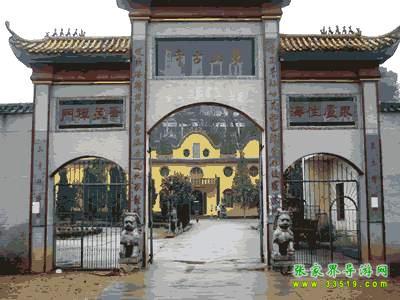
The temple currently has more than thirty resident monks who practice diligently and austerely, working by day and chanting sutras and meditating by night. Because the buildings are old and on the verge of collapse, funds were raised to rebuild the Mahavira Hall, the Heavenly Kings Hall, the bell and drum towers, the dining hall, and the living quarters, and to create new Buddha statues, at a total cost of more than one million yuan. In addition, there are plans to create statues of the Five Hundred Arhats, build a sutra repository, and establish a practice site for nuns.
The founding patriarch of Dongshan Ancient Temple was Monk Miaolian, and historically there were famous abbots such as Chan Master Ruhui. According to stele inscriptions in the temple, the temple's transmitted dharma lineage is dual practice of Chan and Pure Land. The most significant reconstructions in the temple's history were, first, in the fourth year of the Tongzhi era of the Qing Dynasty, and second, in 1988. Important cultural relics in the temple include an ancient maple tree from the Song Dynasty, nearly a thousand years old. There are two stele inscriptions, both recording the temple's brief history and records of meritorious deeds in building the temple. The temple also has a very special incense burner, listed as a national second-class cultural relic.
The most famous protector and reviver of the temple is Master Benzhi. Shi Benzhi, whose secular name was Cao Xiuyun, was from Honghua Township, Miluo County. His father died when he was young; he had four siblings and his family was poor. After graduating from junior high school, he returned home to farm. At age 16, he developed the idea of becoming a monk, but his relatives firmly refused. He gradually read some Buddhist books and then made a three-year vow to first attain great liberation for himself. At midnight on November 15, 1980, while he was worshipping the Buddha, suddenly a great lotus flower drifted from the west, getting closer and closer until it was almost above his head. He immediately ran into his bedroom, took a surgical knife, and after making a vow, cut off his testicles. At that time rain was pouring and thunder was crashing. When he was carried on a stretcher to the hospital, the rain suddenly stopped; the journey was four li, and only after entering the hospital did the heavy rain resume. According to the stretcher bearers, along the way there was a strange fragrance assailing the nostrils, and in the hospital operating room sandalwood fragrance filled the entire room, while he himself was fully conscious. The "Hunan Daily" recorded this event. Among records of similar self-sacrifice for the Buddha, among Chinese monks there are only two, and he is one of them.
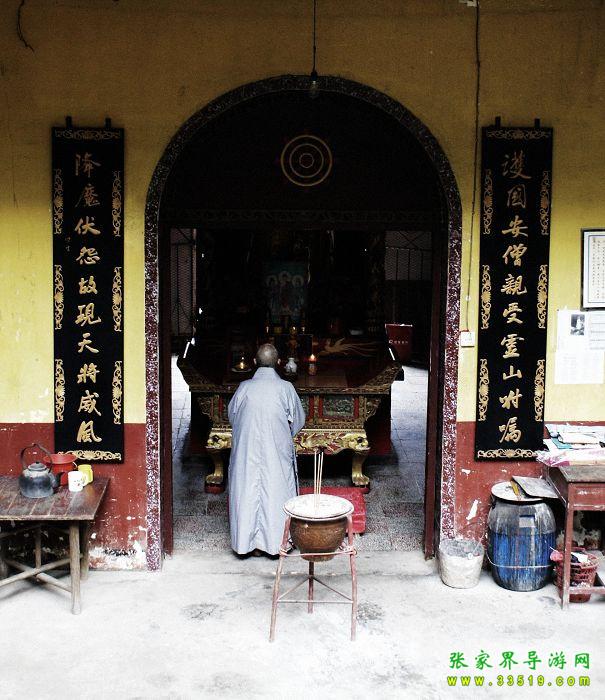
In December 1980, just 19 years old, Benzhi went to Yunmen Temple in Ruyuan County, Guangdong Province, the Chan Buddhist practice site founded by Patriarch Wenyen, and became a monk under Master Foyuan. He assisted the master in restoring the practice site, practicing Chan and seeking enlightenment, enduring hardship and toil. Over several years, more than ten million yuan was spent, giving the entire Yunmen Temple a completely new look. In 1988, repeatedly urged by lay Buddhists in Pingjiang, Hunan, he obeyed his master's instruction and returned to Hunan to build a temple, toiling and traveling to relieve the suffering of sentient beings. All kinds of patients came in an endless stream, and he always patiently treated their illnesses and healed their minds. Master Benzhi currently serves as vice president of the Yueyang City Buddhist Association in Hunan Province, a member of the Yueyang City CPPCC, president of the Pingjiang County Buddhist Association, and abbot of Dongshan Ancient Temple.