This attraction introduction is compiled from historical materials in the "Zhangjiajie Tour Guide Network" (33519.com · Scenic Spots section). Ticket prices, opening hours, transportation, and contact information mentioned in the text may be outdated. Please refer to the latest official announcements from the scenic area before traveling; some content consists of historical background/cultural introductions and is for reference only.
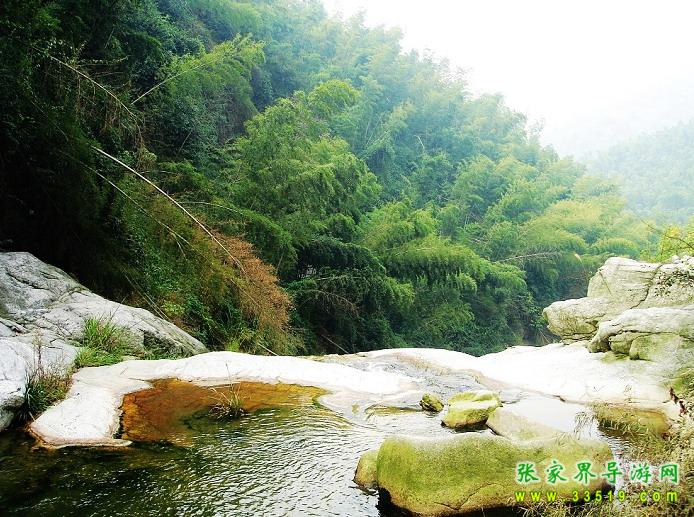
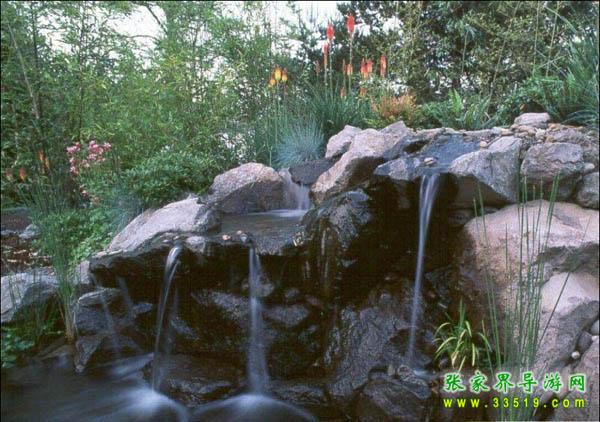
Bailong Spring, also known as Longqiu, is on the right side of the rear hall of Xinghua Temple, a clear spring pool. It is built of ancient bricks in a circular shape, 1.3 meters in diameter, with a sandy bottom. The spring water is clear, cold, and sweet, and it is said that this water was once used as a "tribute" spring. Beside it is a stone tablet reading "Bailong Spring." The spring pool never overflows or dries up, with fresh green algae, and small creatures three or four inches long, with faintly visible scales, winding within, called "Shajiao Dragon." It was once conferred the title "White-robed Dragon King" by Emperor Renzong of Tang. In the past, some people performed dragon-catching rituals to pray for rain, which was absurd. The Qing Dynasty "Record of Daowu Mountain" once stated: "The Longqiu boils, irrigating the people's fields, thus meritorious to the people, not merely a hill and valley for recluses to linger."
Guajian Spring: The water source of Daowu Mountain comes from Lianhua Mountain. Behind Xinghua Zen Temple, it also collects water from the east and west valleys flowing into the Old Dragon Pool, irrigating the fields in front of the temple; then from the top of the mountain to the right of the temple, it cascades straight down to the foot of the mountain, forming a waterfall over a hundred zhang high, with flying spray and frosty mist, shaped like a silver sword hanging high, hence the name Guajian Spring. Unfortunately, it no longer exists today.