This attraction introduction is compiled from historical materials in the "Zhangjiajie Tour Guide Network" (33519.com · Scenic Spots section). Ticket prices, opening hours, transportation, and contact information mentioned in the text may be outdated. Please refer to the latest official announcements from the scenic area before traveling; some content consists of historical background/cultural introductions and is for reference only.
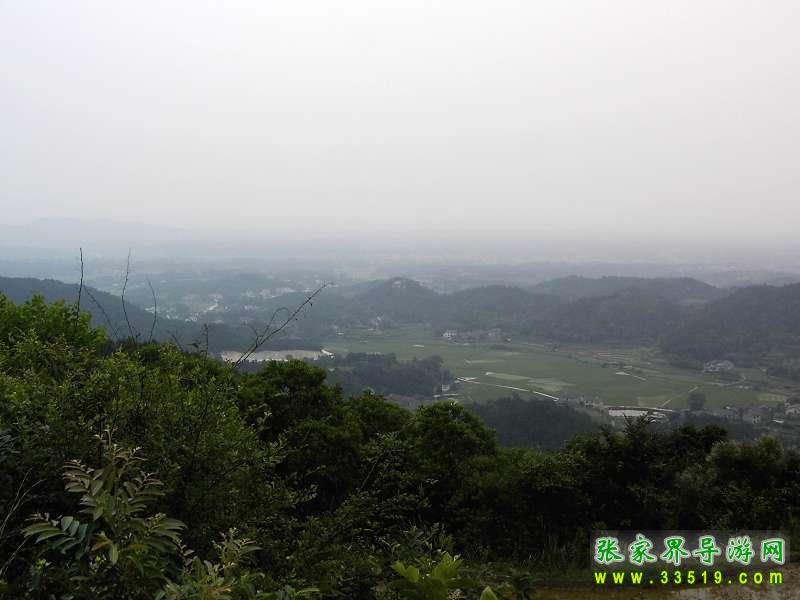
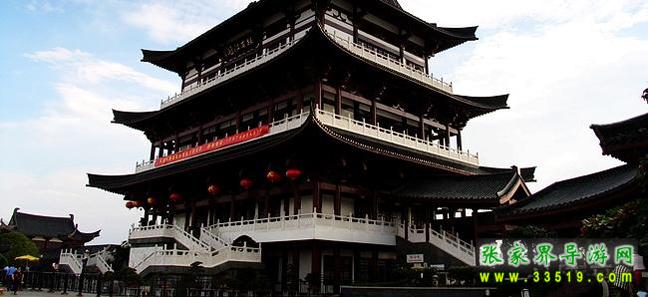
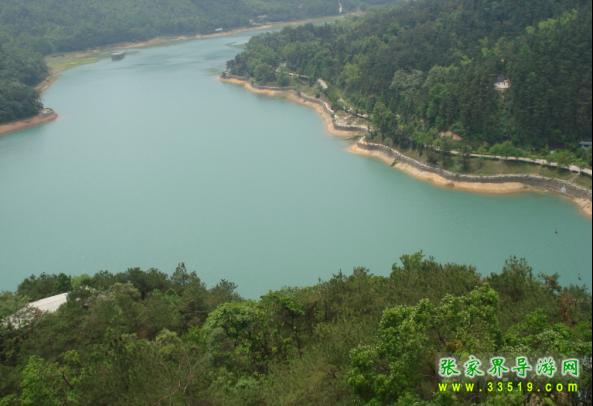
There is a folk rhyme in Changsha: "Yingzhu Mountain, three chi and three from the sky; people must bow their heads to pass, horses must unsaddle." In fact, Yingzhu Mountain is only 509.4 meters high and 7 kilometers long from north to south, forming the boundary mountain between Changsha and Miluo. Its fame is related to the saying "Yingzhu Mountain has 48 temples," which appears in "Strange Tales Ancient and Modern." It is said that during the reign of Emperor Wu of Liang, there was an nunnery every three li and a Daoist temple every five li, and this situation indeed existed. Locally there is the saying "twelve ridges, forty-eight nunneries," and older people can still count more than 20, with five or six just near the summit, including the Old Temple, New Temple, Yangjing Garden, and Yaozi Slope Temple, close enough to call out to one another. The New Temple once enshrined the flesh body of Immortal Chen. It is said that in life he was a filial son; when he encountered fine food away from home, he would not eat it unless there was a portion for his elderly mother. After his transcendence in the eleventh year of Guangxu, his "immortal body" did not decay. Every year on the sixth day of the sixth lunar month, his robe was changed and the garment aired, but later it was destroyed. Other temples also survive only as ruins. In recent years, Yangjing Temple has been restored, with several monks and nuns.
There are three explanations for the name "Yingzhu": first, that Daoist Master Tao of the Southern Dynasties first lived in seclusion here; second, that "there is a well on the summit, and its reflection is like a pearl"; and third, that there is the shadow of a pearl in the mountain. According to Master Jueliao of Kaifu Temple, who lived on the mountain for 17 years (1934–1952), they often saw lantern lights drifting back and forth on the mountain and below it at night, and "fireflies do not have such great light."
Yingzhu Mountain has a strategically dangerous terrain and has been a contested place for military strategists. In 1944, our New Fourth Army annihilated Japanese invaders at Yaozi Slope on the north side of the mountain, and bullet casings and the like are still occasionally unearthed there. On the east side of Yaozi Slope, a huge rock juts into the air like a roaring lion facing heaven, hence the name Lion Rock. Below the cliff are jagged rocks and several layers of stone chambers, commonly called the "Nine Rooms," said to be the place where Immortal Tao cultivated. Now one must squeeze sideways to enter; the cave chambers are like rooms, and upon entering the third room the cold air is piercing, so much so that a lighter cannot be lit. In addition, there is "Immortal Cave" on the west slope. To the south of the mountain are the Nine Horse Mouths; nine mountain tops rise with heads held high, like nine horses rushing to a trough. At the summit there was originally a ginkgo tree, a thousand years old, requiring four people to encircle it. Unfortunately, its bark was stripped, making the trunk susceptible to water, and it was repeatedly struck by lightning, with fire often starting from the heart of the tree, and firefighting was ineffective. One time in the 1980s it actually burned for a day and a night. Now only the carbonized stump remains, about 5 meters high, and two people still cannot encircle it.