This attraction introduction is compiled from historical materials in the "Zhangjiajie Tour Guide Network" (33519.com · Scenic Spots section). Ticket prices, opening hours, transportation, and contact information mentioned in the text may be outdated. Please refer to the latest official announcements from the scenic area before traveling; some content consists of historical background/cultural introductions and is for reference only.
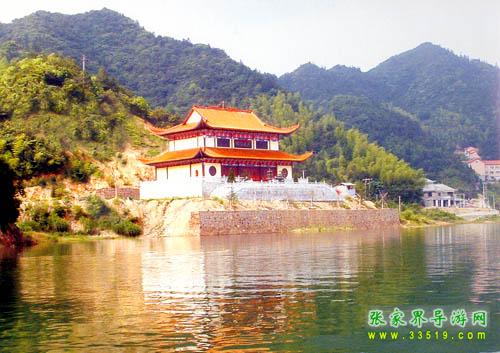
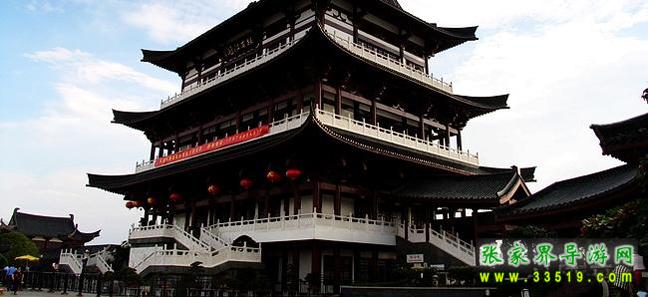
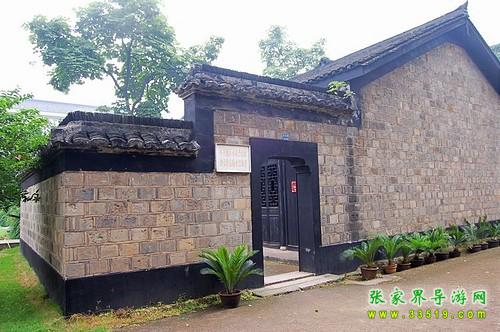
Xinghua Chan Temple was built during the Taihe and Kaicheng reign periods of Li Ang, Emperor Renzong of Tang (828-840). It is located in a flat and secluded valley at the foot of Lianhua Peak of Daowu Mountain. The temple buildings form a "hui" shape. It is divided into four sections. The front section is the mountain gate, inscribed with "Xinghua Chan Temple," and above it hangs a horizontal plaque reading "Scenic Traces of Lake and Mountain." On the east and west sides are the Qielan and Tudi shrines. The middle section is the main hall, about 4 zhang high and 8 zhang wide. Enshrined in the hall is a wood-carved and clay-sculpted Tathagata Buddha statue, over 1 zhang tall. On either side of the Buddha are two standing statues of Kashyapa and Ananda. Along the two sides of the hall are statues of the Twenty-Four Devas, the Eighteen Arhats, Guanyin, Ksitigarbha, and others. Hanging in the hall are horizontal plaques such as "Yizheng Zhuangyan" and "Haiyin Liuguang." Its architectural features include: 16 golden pillars and a roof covered with iron tiles, about 1 chi long and 8 cun wide, bearing inscriptions indicating they were cast in the Ming Dynasty. The rear section is the abbot's room, where renowned resident monks lectured on sutras, preached the Dharma, and transmitted precepts to disciples. The four walls of the room bear many inscriptions and poems by visitors from ancient and modern times. In the Yuan Dynasty, Ouyang Xuan once wrote a seven-character regulated verse titled "Daowu Mountain," including the line "The ancient temple's divine fir is as large as ten arm-spans around.