This attraction introduction is compiled from historical materials in the "Zhangjiajie Tour Guide Network" (33519.com · Scenic Spots section). Ticket prices, opening hours, transportation, and contact information mentioned in the text may be outdated. Please refer to the latest official announcements from the scenic area before traveling; some content consists of historical background/cultural introductions and is for reference only.
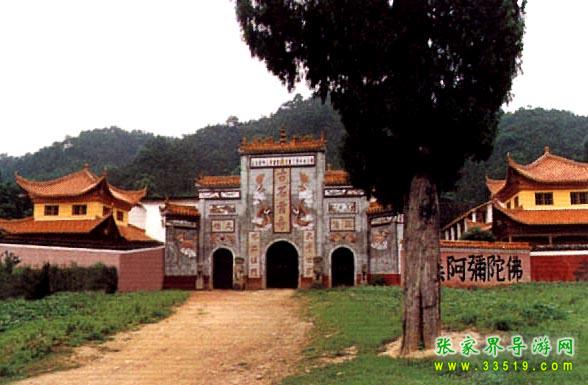
Shishuang Mountain, also known as Shuanghua Mountain, is located within Jingang Township east of Liuyang County seat. It is named because the steep mountain and rushing water strike the rocks like spraying frost. The mountain is green all year round, with jagged peaks, and has been famous far and near since a Buddhist temple was imperially built there in the High Tang. In front is Liucui Peak, whose clear mountain haze seems graspable; behind is Fengxiang Mountain, shaped like a sacred phoenix spreading its wings; Lion Mountain and Xiangwang Peak stand facing each other on left and right, while from the center emerges a small stream that winds around the mountain and flows down into the Jingang River at the mountain's foot.
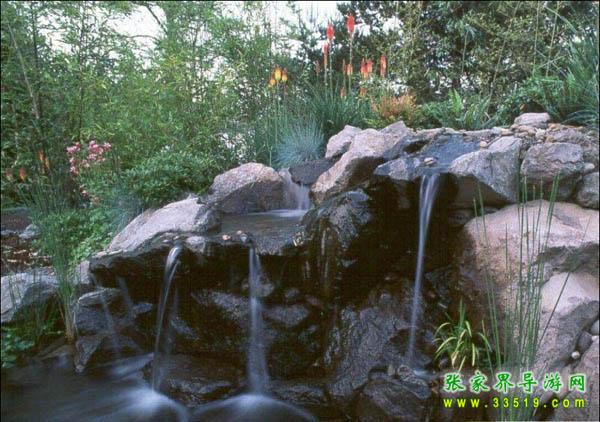
Entering the mountain on foot along a small path from Jingang Village, one passes along the way the Eighteen Scenes: the Twin-Trunk Camphor, Brush Rack Mountain, Prince Bridge, Hermit's Chair, Wooden Fish Stone, Drum-Beating Ridge, Immortal's Cave, Ten Granary Waters, Guiding Pine, Chessboard Stone, Mounting Stone, Flying Pagoda, Tiger-Climb Spring, Salt and Vinegar Well, Nine Oxen Turning the Mill, Toad Dripping Water, and Fairy Drying Shoes, each intriguing and captivating. The Twin-Trunk Camphor, also called Meeting Across the River, shows two towering ancient camphor trees, each extending from one side of the stream, meeting in midair and joining into one tree, full of vitality like a canopy. Slightly east of Shishuang Temple stands a century-old ginkgo tree, thick enough for two people to encircle, with luxuriant branches and leaves, having weathered many vicissitudes. The "Left Cypress" is a towering ancient cypress standing on the right side outside the mountain gate of Shishuang Temple. When the temple was first built in the Tang Dynasty, this tree was a small cypress; because it leaned to the left and obstructed construction, the monks propped it upright with stones, hence the name Left Cypress. The other scenes among the Eighteen also have quite legendary qualities.