This attraction introduction is compiled from historical materials in the "Zhangjiajie Tour Guide Network" (33519.com · Scenic Spots section). Ticket prices, opening hours, transportation, and contact information mentioned in the text may be outdated. Please refer to the latest official announcements from the scenic area before traveling; some content consists of historical background/cultural introductions and is for reference only.
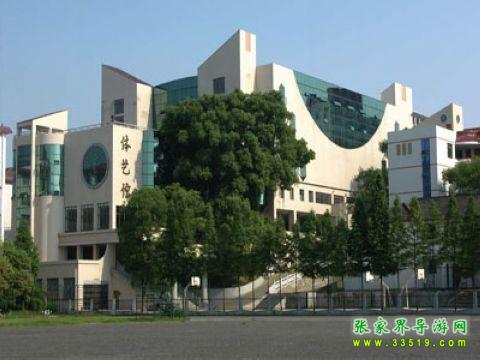
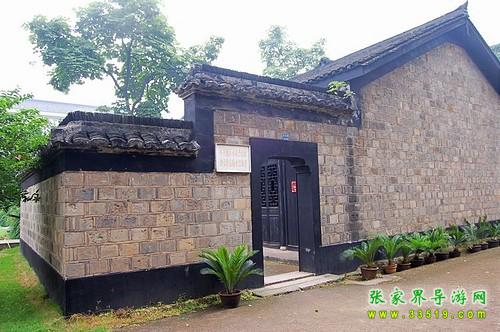
The New Mathematics Hall is a cultural relic protection unit of Liuyang City. It is located on the hillside behind the Confucian Temple on Guizhai Road, Chengguan Town, Liuyang County. Originally named "Kuiwen Pavilion," it was an affiliated building of the Confucian Temple, first built in the 23rd year of the Daoguang era of the Qing Dynasty (1843), with a building area of about 200 square meters.
After the Sino-Japanese War of 1895, China was further reduced to a colony of the foreign powers. At that time a group of patriots seeking to save the nation from extinction indignantly launched a reform movement. In 1897, Tan Sitong, Tang Caichang, Ouyang Zhonghu, and others used Kuiwen Pavilion to establish Hunan's first modern school that also taught Western natural science knowledge—the "New Mathematics Hall"—setting up a mathematics and arts school to promote the reform movement. In September 1898, the Hundred Days' Reform failed, and the school was forced to close. Although the New Mathematics Hall operated for only one year, it played the role of "setting the trend for a whole county." The school faces east and sits west, with a brick-and-wood structure, two successive courtyards and five rooms, a flush gable roof, small green tile roofing, fire-sealing gable walls, and a lime-sand earthen floor. In front of the buildings is an open flat area, with several large camphor trees whose branches and leaves are dense, and various trees planted all around, making the environment quiet and pleasant.