This attraction introduction is compiled from historical materials in the "Zhangjiajie Tour Guide Network" (33519.com · Scenic Spots section). Ticket prices, opening hours, transportation, and contact information mentioned in the text may be outdated. Please refer to the latest official announcements from the scenic area before traveling; some content consists of historical background/cultural introductions and is for reference only.
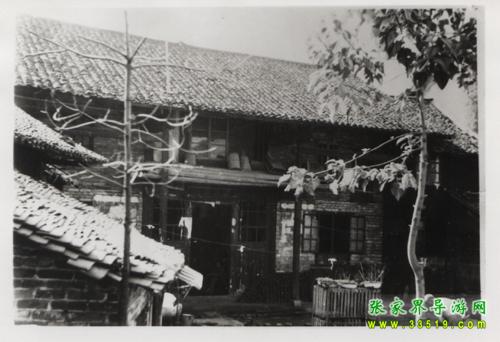
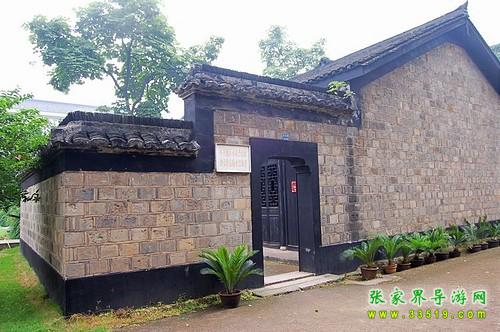
The former site of the Eighth Route Army Liaison Office in Hunan is a Hunan Provincial Cultural Relic Protection Unit. It was initially at the Xu Family Ancestral Hall in Xuci Lane, Dongchang Street (now Cai'e Middle Road), Changsha, and later moved to No. 2 Shouxing Street.
From October to December 9, 1937, the Central Committee of the Communist Party of China successively sent Xu Teli and Gao Wenhua from Yan'an to Changsha, establishing the Eighth Route Army Liaison Office in Hunan. Gao Wenhua served as Secretary of the CPC Hunan Provincial Working Committee, Xu Teli as Major General Advisor of the Eighth Route Army and Representative in Hunan, and Wang Lingbo as Director of the Liaison Office.
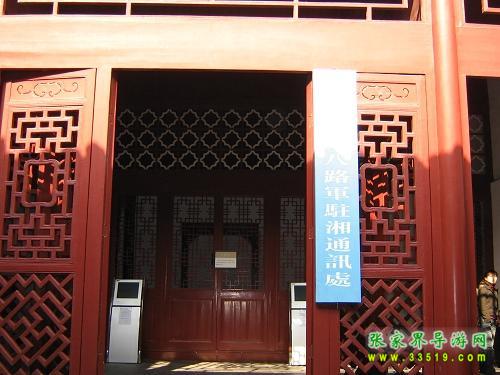
On October 27, 1938, Zhou Enlai and Ye Jianying came to Hunan to guide work and stayed at No. 2 Shouxing Street. The main work of the Eighth Route Army Liaison Office in Hunan was: to expand and consolidate the anti-Japanese national united front, publicize the situation of the anti-Japanese national salvation and the Communist Party of China's active anti-Japanese stance, negotiate with the Kuomintang Hunan local authorities for the release of arrested Communists and patriots, and recruit revolutionary youth to the anti-Japanese front. At the same time, it cooperated with the CPC Hunan Provincial Working Committee to vigorously launch the anti-Japanese national salvation movement in Hunan. After the Changsha Fire on November 12, 1938, the liaison office evacuated Changsha. The former site was built in the late Qing Dynasty, in the southern ancestral hall layout, brick-and-wood structure, facing south. The main hall was later rebuilt. In 1975, part of the liaison office buildings were reconstructed, covering about 460 square meters, with two courtyards and three bays in width. The first courtyard is a two-story wooden structure, with a hall on the ground floor, black-lacquered double wooden doors, and one side room on each side; the upper floor is an open room accessible by wooden stairs from the east and west. The second courtyard is the main hall, with ten lattice red-lacquered wooden doors as a screen wall. The main hall displays historical relics and materials related to the Eighth Route Army Liaison Office in Hunan.