This attraction introduction is compiled from historical materials in the "Zhangjiajie Tour Guide Network" (33519.com · Scenic Spots section). Ticket prices, opening hours, transportation, and contact information mentioned in the text may be outdated. Please refer to the latest official announcements from the scenic area before traveling; some content consists of historical background/cultural introductions and is for reference only.
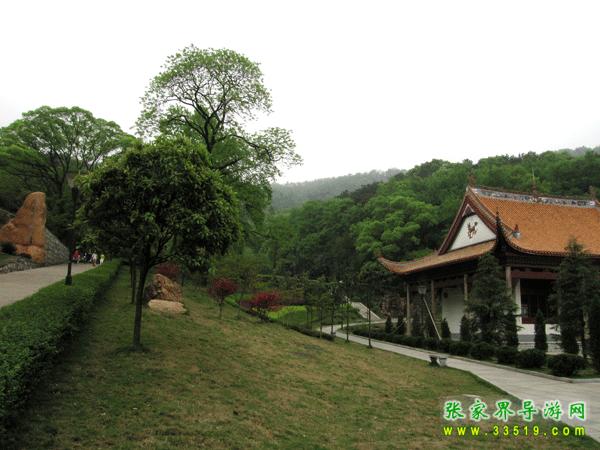
Beside Hunan Normal University on the west bank of Changsha, at the foot of Yuelu Mountain, there is a hill called Heshi Slope. The slope is not very large, but tourists often go there, mostly to the Yuewang Pavilion Scenic Area.
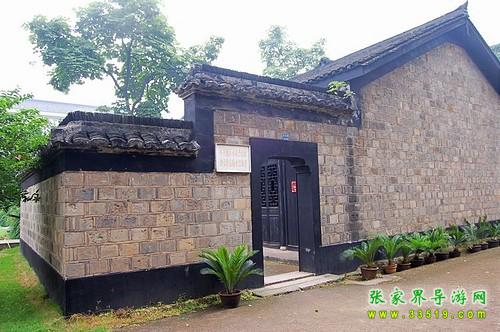
In front there is a flat area, quite spacious, with green grass covering the paleness of the ground. A dozen or so steps forward, there sits a house with granite corridor pillars and a red-lacquered gate. On the gate is a plaque reading: Yuelu Martyrs Memorial Hall. Only after carefully reading the inscriptions on the wall did I realize it commemorates the Changsha Anti-Japanese Battle.
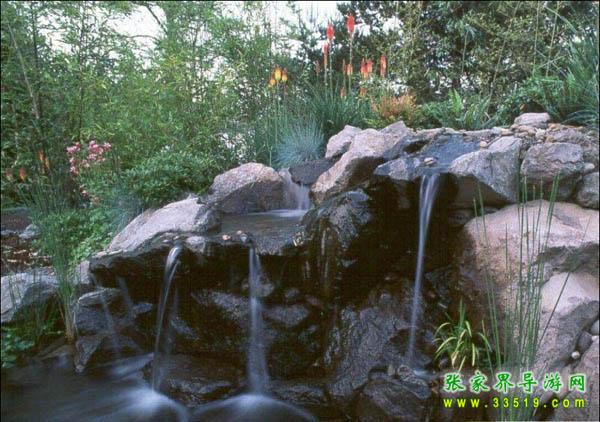
Turning to the back of the memorial hall, there is a short slope with dark green grass mixed with sweetgum trees, less than a few feet tall. On the right is a pool, about a five-foot round basin, with clear water. On the right bank are two camphor trees, tall and upright. Beside the trees is a waterfall about two feet wide and about two people tall, with splashing water and a roaring sound like a dam releasing floodwater. To the left of the pool is a stone staircase. Climbing up, one sees the misty rain on Yuelu Mountain. The thick mist is like a beautifully dressed girl draped in a pure white wedding veil—even more charming and moving.
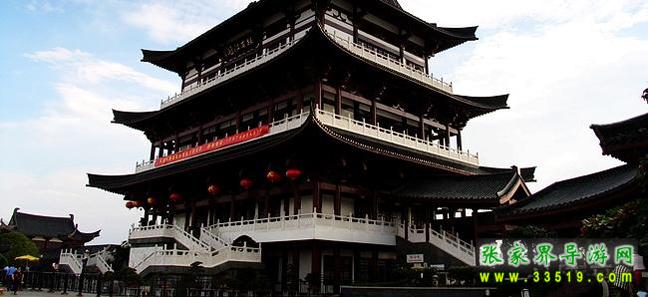
In the pavilion there is a huge stele, with a colored line painting in front. Only upon closer inspection does one realize it is the portrait of Lord Yue (Yue Fei), with an inscription on the back.
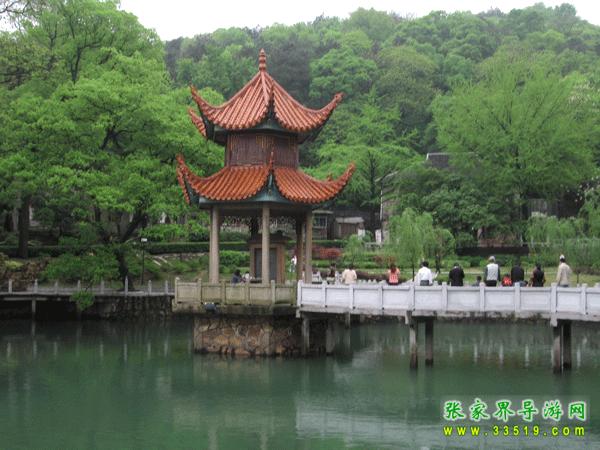
Exiting the pavilion and crossing the stone arch bridge, there is another flat area, triangular in shape, with two ginkgo trees at the edge, covered with white fruits. Walking right along the pond embankment, no more than fifty steps, is the stone path at the mountain edge. After another few dozen steps, there is a small path up the mountain. Within twenty steps there is a long corridor, with calligraphy covering the walls. Counting carefully, there are works by Li Li, Yan Jialong, and others, as well as phrases like "I will search up and down." In the corridor, couples play, and children read.
Below the corridor is a pool shaped like a kidney, about ten meters square, several feet deep, with clear stream water and three or four small fish. A willow extends its branches into the water. At the head of the pool is a stream, with gurgling water and three or four stones in it, where one can step on stones to play in the water or sit on stones to wash one's feet. Above the stream is an arch bridge. Looking through the bridge opening, the source of the stream is deep in the woods behind the bridge. Wading across the stream and going ashore, thirty steps forward is a bluestone flat area, with two ginkgo trees—the same two seen from the pavilion.