This attraction introduction is compiled from historical materials in the "Zhangjiajie Tour Guide Network" (33519.com · Scenic Spots section). Ticket prices, opening hours, transportation, and contact information mentioned in the text may be outdated. Please refer to the latest official announcements from the scenic area before traveling; some content consists of historical background/cultural introductions and is for reference only.
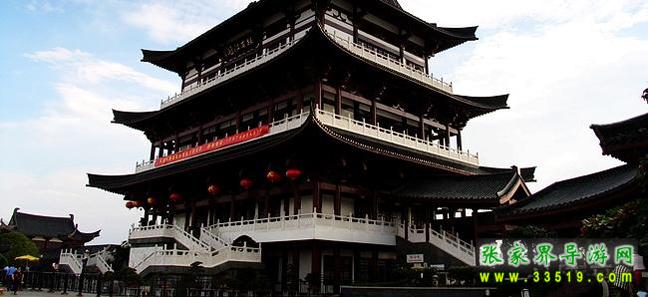
At the eastern corner of Baisha Street, below Tianxin Pavilion outside the south gate of Changsha, Hunan, there are four wells arranged from east to west, each about two chi square. Sweet spring water gushes from the bottom year-round without cease, and is called Sand Water. The Qing dynasty "Comprehensive Gazetteer" records that the well "lies two li southeast of the county seat, only about a chi wide, extremely sweet and cold, and inexhaustible no matter how long one draws from it," and it is hailed as the finest well in Changsha. A couplet popular among the people reads: "Changde's De Mountain has virtue in its mountain; Changsha's Sand Water has no sand in its water." Changsha's Sand Water refers to the water of Baisha Well. The couplet brilliantly and vividly distinguishes the characteristics of the two places' names. Hunan's fine mountains and waters will be celebrated forever through the ages.
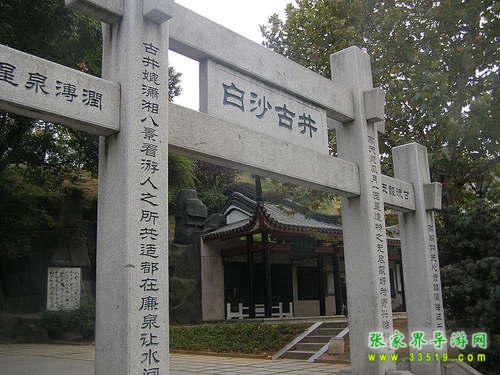
The well water, through all four seasons, whether in prolonged flood or long drought, neither overflows nor runs dry. Drawn for brewing tea, it is especially fragrant and mellow, becoming the sweet dew and jade nectar of tea connoisseurs. According to ancient astrologers, Baisha Well corresponds to the Changsha Star in the heavens, and so it has been praised as "Star Spring Spreading Moisture" and "Jade Nectar Flowing Sweetness." It was even said: "Clear-fragrant and sweet, it does not sour like fine wine, does not spoil as a beverage; for cholera with vomiting and diarrhea, one drink and one is cured." Traditionally, several teahouses have been opened not far from the well, serving tea brewed exclusively with Baisha Well water, and it has been called the finest spring on the Yangtze. In June 1956, Comrade Mao Zedong wrote a ci poem titled "Prelude to Water Melody," in which the line "Having just drunk Changsha water, I now eat Wuchang fish" pairs Baisha water with the world-renowned Wuchang fish, making Baisha Well famous far and wide. The Tang dynasty poet-sage Du Fu, in his poem "Setting Out from Tanzhou" (Changsha was called Tan in Tang times), sang: "Drunk at night by Changsha's spring, at dawn I walk in the spring of the Xiang waters." At the eastern corner of Baisha Street, below Tianxin Pavilion outside the south gate of Changsha, Hunan, there are four wells arranged from east to west, each about two chi square. Sweet spring water gushes from the bottom year-round without cease, and is called Sand Water. The Qing dynasty "Comprehensive Gazetteer" records that the well "lies two li southeast of the county seat, only about a chi wide, extremely sweet and cold, and inexhaustible no matter how long one draws from it," and it is hailed as the finest well in Changsha. A couplet popular among the people reads: "Changde's De Mountain has virtue in its mountain; Changsha's Sand Water has no sand in its water." Changsha's Sand Water refers to the water of Baisha Well. The couplet brilliantly and vividly distinguishes the characteristics of the two places' names. Hunan's fine mountains and waters will be celebrated forever through the ages.
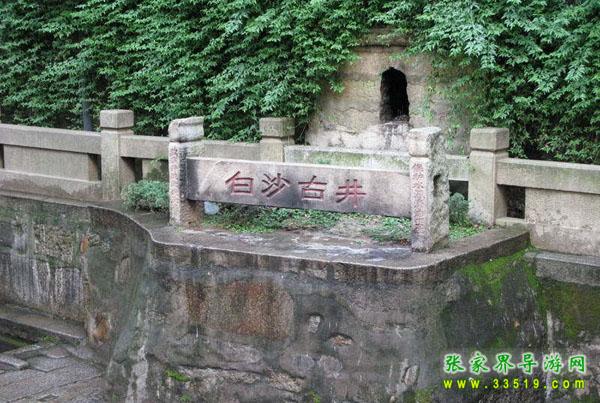
The well water, through all four seasons, whether in prolonged flood or long drought, neither overflows nor runs dry. Drawn for brewing tea, it is especially fragrant and mellow, becoming the sweet dew and jade nectar of tea connoisseurs. According to ancient astrologers, Baisha Well corresponds to the Changsha Star in the heavens, and so it has been praised as "Star Spring Spreading Moisture" and "Jade Nectar Flowing Sweetness." It was even said: "Clear-fragrant and sweet, it does not sour like fine wine, does not spoil as a beverage; for cholera with vomiting and diarrhea, one drink and one is cured." Traditionally, several teahouses have been opened not far from the well, serving tea brewed exclusively with Baisha Well water, and it has been called the finest spring on the Yangtze. In June 1956, Comrade Mao Zedong wrote a ci poem titled "Prelude to Water Melody," in which the line "Having just drunk Changsha water, I now eat Wuchang fish" pairs Baisha water with the world-renowned Wuchang fish, making Baisha Well famous far and wide. The Tang dynasty poet-sage Du Fu, in his poem "Setting Out from Tanzhou" (Changsha was called Tan in Tang times), sang: "Drunk at night by Changsha's spring, at dawn I walk in the spring of the Xiang waters."