This attraction introduction is compiled from historical materials in the "Zhangjiajie Tour Guide Network" (33519.com · Scenic Spots section). Ticket prices, opening hours, transportation, and contact information mentioned in the text may be outdated. Please refer to the latest official announcements from the scenic area before traveling; some content consists of historical background/cultural introductions and is for reference only.
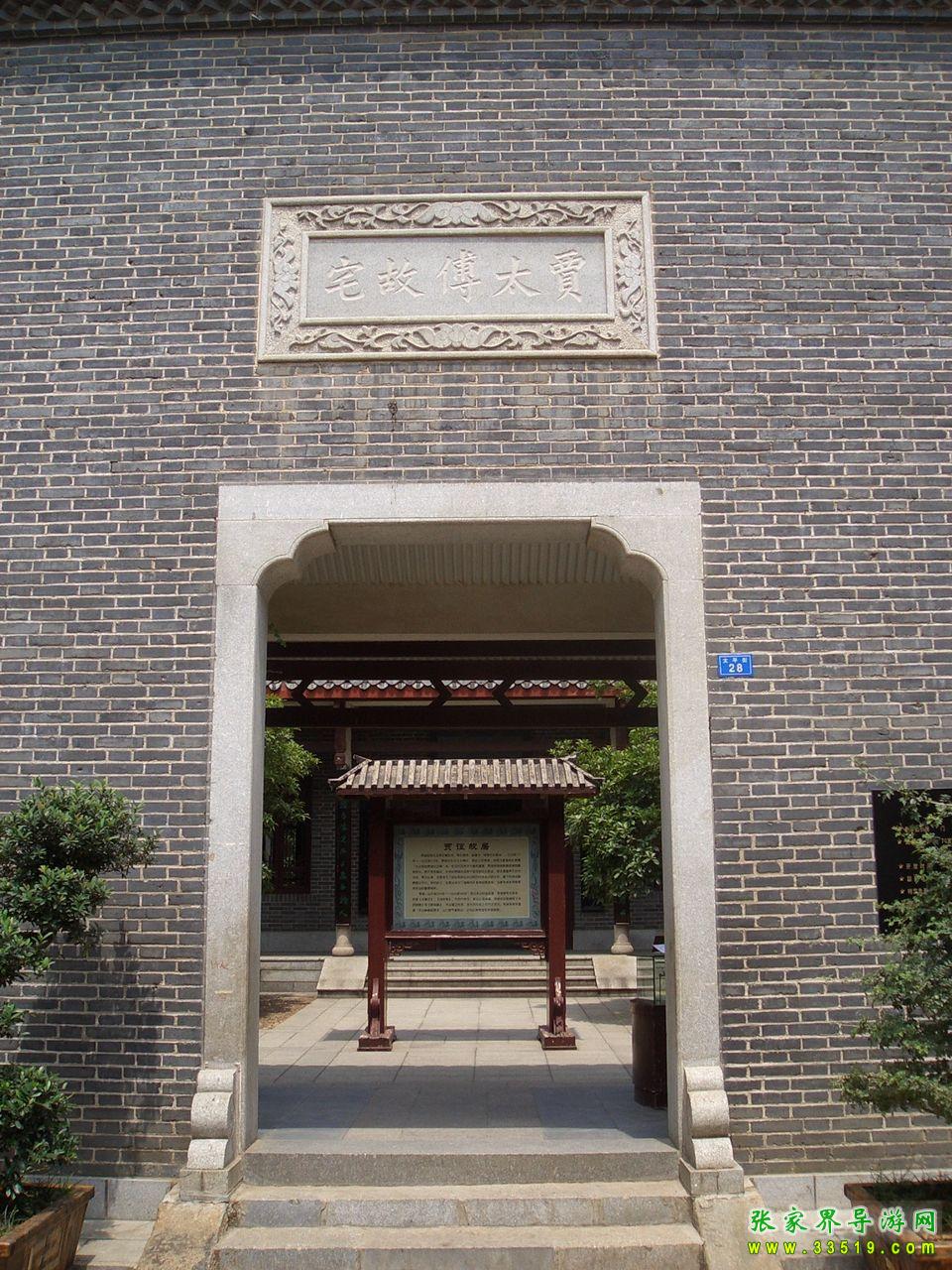
The Jia Yi Shrine is a cultural relic protection unit of Hunan Province. It is also known as the Jia Taifu Shrine or Jia Yi's Former Residence. It is located in Taifu Lane, Taiping Street, Tianxin District, Changsha.
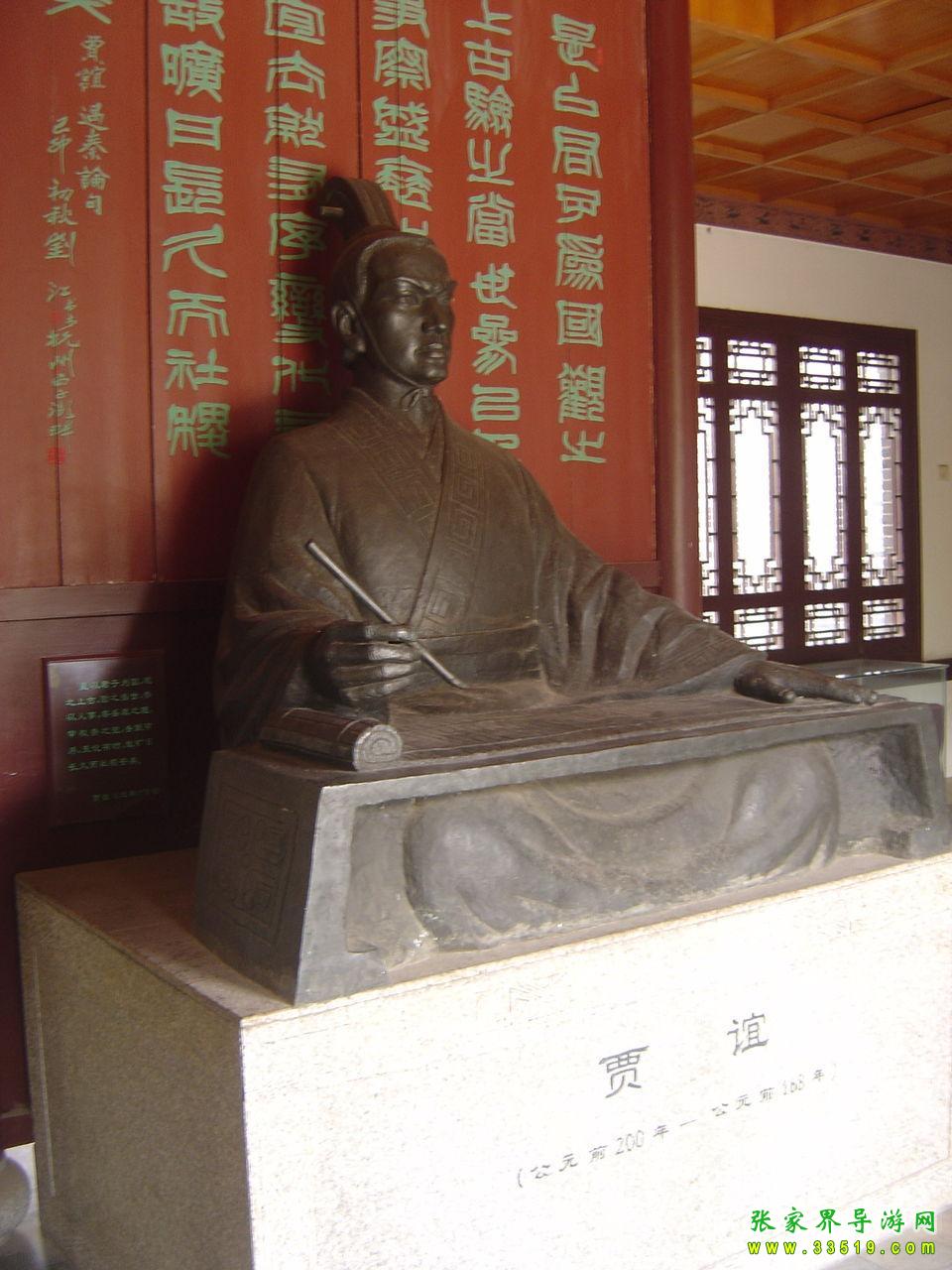
Jia Yi (200–168 BCE) was a native of Luoyang, Henan. During the reign of Emperor Wen of Han, he was summoned as a court scholar and promoted to Grand Master of the Palace. Later, resented by powerful nobles such as Zhou Bo, he was demoted to Grand Tutor of the King of Changsha and lived in Changsha for three years, earning the name "Jia of Changsha." The original layout of his former residence is unknown. Tao Kan, Duke of Changsha Commandery in the Jin dynasty, once lived here, and so it was at one time also called the Tao Kan Temple. In the Tang dynasty, Du Fu, Han Yu, Li Shangyin, Liu Changqing, and others all wrote poems about it.
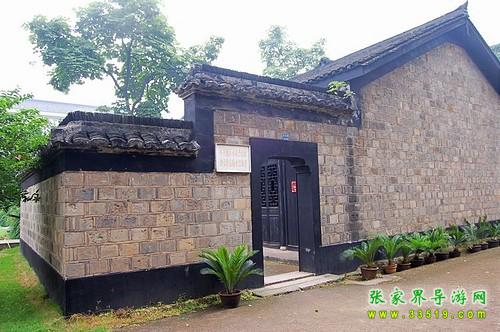
During the Song and Yuan dynasties, the shrine was built and abandoned several times. Before the Chenghua era of the Ming dynasty it was a military barracks. In the first year of Chenghua (1465), Changsha prefect Qian Shu redeemed and repaired it, restoring sacrifices to Jia Yi. Li Dongyang's "Record of the Shrine of Jia Yi, Grand Tutor of the King of Changsha of Han" gives a detailed account. In the eighth year of Wanli (1580), military defense commissioner Li Tianzhi added sacrifices to Qu Yuan within the shrine, and it also came to be called the Qu-Jia Shrine. It was rebuilt twice during the Kangxi and Qianlong reigns of the Qing dynasty, and during the Jiaqing era, provincial governor Zuo Fu repaired the Jia Shrine again. In the first year of Guangxu (1875), grain intendant Xia Xianyun and provincial governor Wang Wenshao chose another site to build a separate Qu Yuan Shrine, while this site remained the Jia Shrine. At the same time, extensive construction added the Qingxiang Villa, Huaizhong Study, Guya Tower, Daguan Tower, and others behind the Jia Shrine, along with rockeries and ponds, forming an elegant garden architectural complex. Unfortunately, it was destroyed in the great Changsha fire of 1938 and completely vanished. The present Jia Yi Shrine was rebuilt after the great fire, consisting of only a single humble room with a floor area of 56 square meters. It faces west, is of brick-and-wood structure with blue brick walls and a small green-tile flush gable roof. Inside, a niche is set into the eastern brick wall, with the inscription "Taifu Hall" above it. Within the niche is a gilded wooden seated statue of Jia Yi. In 1971 the statue was stolen and its whereabouts remain unknown to this day.
In front of the Jia Yi Shrine, on one side of the small Taifu Lane, there are two wells with narrow mouths and broad bellies, shaped like pots. They are said to have been dug by Jia Yi. Because Du Fu wrote the quatrain "Longing for the well, still as it was," later generations also called these wells "Longing Well." In addition, a single-legged stone bed once placed in the Autumn Wind Pavilion is also said to have been used by Jia Yi, but this object was lost long ago. The Jia Yi Shrine is reputed to be "Changsha's oldest historic site," and many come throughout the year to explore its hidden past. In July 1988, in conjunction with infrastructure work, the Changsha municipal cultural relics and archaeology department discovered remains of the Jia Yi Shrine and several related inscriptions, providing scientific evidence for determining the site of Jia Yi's former residence and attracting the attention of relevant departments. Plans to restore the Jia Yi Shrine and build a Jia Yi Museum are being organized and implemented.