This attraction introduction is compiled from historical materials in the "Zhangjiajie Tour Guide Network" (33519.com · Scenic Spots section). Ticket prices, opening hours, transportation, and contact information mentioned in the text may be outdated. Please refer to the latest official announcements from the scenic area before traveling; some content consists of historical background/cultural introductions and is for reference only.
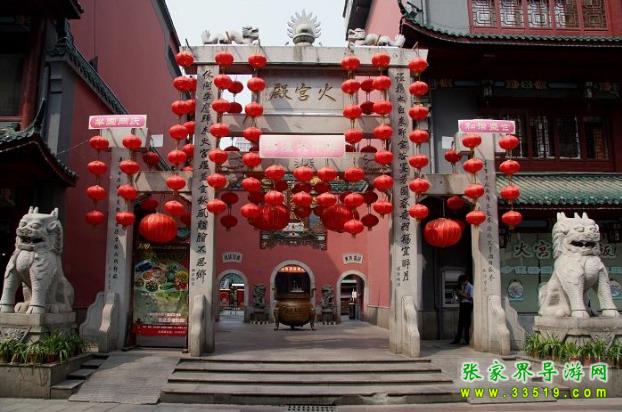
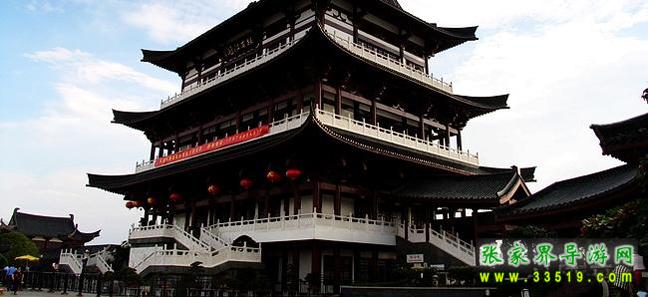
Located on Pozi Street in Changsha, the Huogongdian Restaurant is a world-renowned "China Time-honored Brand" enterprise, hailed as the source of Hunan-style snacks and a leading representative of Hunan cuisine, with a profound historical heritage. Huogongdian was formerly a temple for worshipping the Fire God, also known as "Qianyuan Palace." It was first built in the 12th year of the Qianlong reign of the Qing Dynasty (1747 AD), more than 250 years ago. In the late Qing Dynasty, it developed into a temple market for worship, opera-watching, storytelling, acrobatics, and snacks. During the Republic of China period, stalls and awnings were set up everywhere, making it a bustling snack market. People compared it to Beijing's Tianqiao, Shanghai's Chenghuang Temple, and Nanjing's Confucius Temple. It is a representative public venue in Changsha and even Hunan that integrates folk culture, religious culture, and culinary culture. In particular, the flavorful snacks of Huogongdian are renowned throughout the three Xiang regions. With a brand spanning two and a half centuries and a visit from the great leader Mao Zedong, Huogongdian has become famous throughout the world.
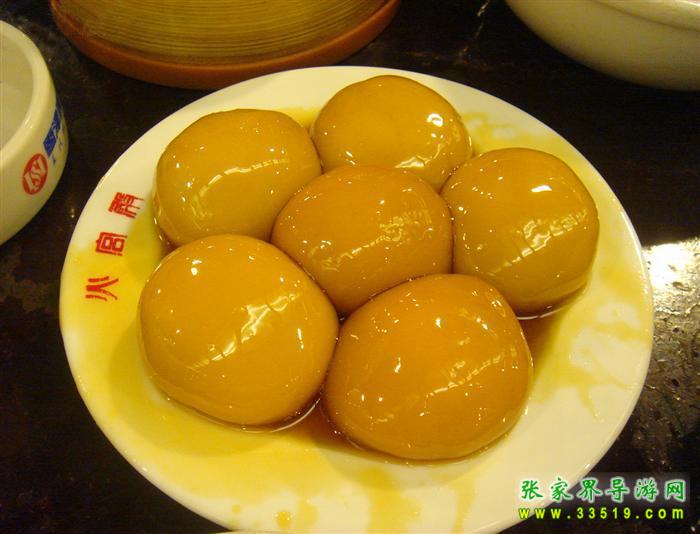
Huogongdian was formerly a temple for worshipping the Fire God, also known as "Qianyuan Palace." It was first built in the 12th year of the Qianlong reign of the Qing Dynasty (1747 AD) and rebuilt in 1826 (the 6th year of the Daoguang reign), with a history of more than 250 years. Every year on the 23rd day of the 6th lunar month, a large-scale sacrificial ceremony is held. On this day, Huogongdian is crowded with people and bustling with excitement.
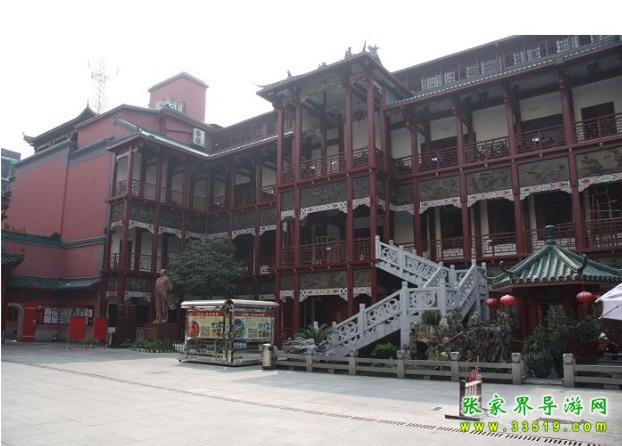
With "fire temple culture" as its foundation and complemented by famous vegetarian dishes, Huogongdian has attracted celebrities of past dynasties to visit with its unique style. The couplet written by the great calligrapher He Shaoji of the Qing Dynasty on both sides of the opera stage reads: "Forms arise from emptiness, embodying so much of the world's ways and human feelings; one may seek the real within the empty. Flavor emerges from bitterness; observe the loyal ministers and filial sons of all ages, all find sweetness returning from bitterness." It is regarded as a classic. The three characters "Qianyuan Palace" above the central gate of the ancient archway of Huogongdian were written by the Qing Dynasty calligrapher Huang Ziyuan and are still preserved today. During the War of Resistance Against Japan, Xu Teli delivered a speech here on the Ten Great Principles for Resisting Japan and Saving the Nation, and Tian Han often dined here with friends. Party and state leaders Mao Zedong, Peng Dehuai, Ye Jianying, Wang Shoudao, Wang Zhen, and Hu Yaobang all visited Huogongdian. In May 1973, mathematician Hua Luogeng conducted a month-long "optimum seeking method" experiment here. In 1975, the famous music master Tan Dun composed music for the poetry recitation "Chairman Mao Inspects Huogongdian." It has hosted political dignitaries and diplomatic officials from the United States, Japan, France, Switzerland, the former Soviet Union, Australia, and other countries. The American magazine "Food," the Ginza Asudaya Restaurant in Japan, a French tourism magazine, and the "China Guide Map" published in Hong Kong all prominently featured articles introducing the flavorful snacks of Huogongdian. The name "Huogongdian" is renowned throughout the world.