This attraction introduction is compiled from historical materials in the "Zhangjiajie Tour Guide Network" (33519.com · Scenic Spots section). Ticket prices, opening hours, transportation, and contact information mentioned in the text may be outdated. Please refer to the latest official announcements from the scenic area before traveling; some content consists of historical background/cultural introductions and is for reference only.
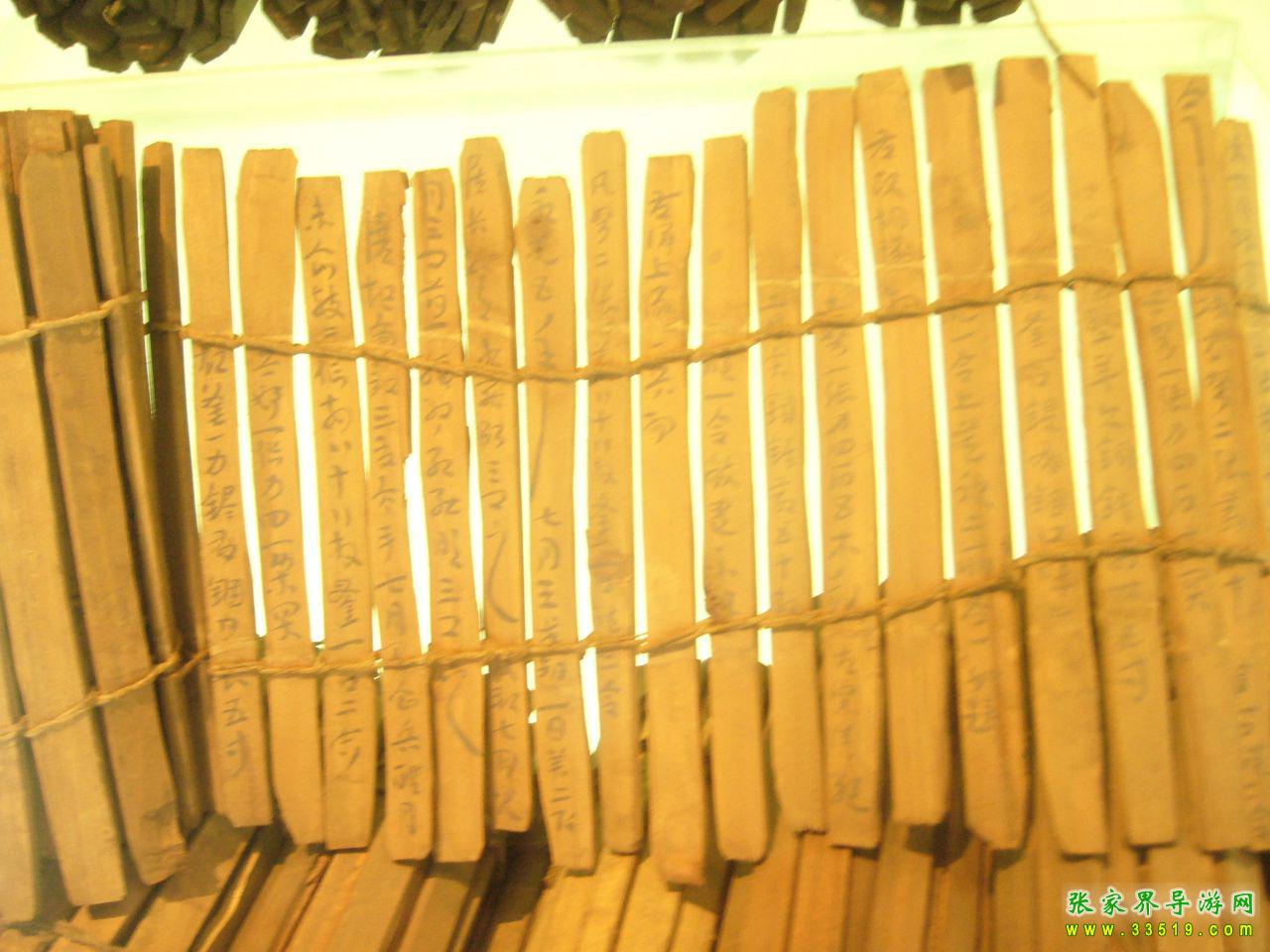
Since the 1970s in China, bamboo slips and silk manuscripts unearthed successively in Gansu, Inner Mongolia, Xinjiang, and other places, including the New Juyan Han slips, Dunhuang Han slips, Wuwei Han slips, the bamboo slips and silk books from the Mawangdui Han Tomb in Changsha, and the Qin slips from Shuihudi in Yunmeng, Hubei, total more than 700,000 pieces.
In 1996, the Three Kingdoms Sun Wu dated bamboo slips discovered at Zoumalou in the central urban area of Changsha exceeded the total unearthed from the above regions, reaching 170,000 pieces. Their content is extremely rich, with reign titles found from the first year to the sixth year of "Jiahe." "Jiahe" was the reign title of Sun Quan of the Three Kingdoms, and the "first year of Jiahe" is 232 AD, about more than 1,700 years ago. The content of this batch of bamboo slips involves many aspects of the Wu state during the Three Kingdoms period, including politics, economy, military, culture, taxes, rent and corvee, household registration, justice, and official posts. It truly and in detail records people's real life, social interactions, economic relations, and so on at that time, just like a document archive of Changsha Commandery of Sun Wu of the Three Kingdoms. This astonishing archaeological discovery powerfully promoted the initially developing discipline of bamboo slip studies to develop, after oracle bone studies and Dunhuang studies, into one of the new internationally prominent disciplines attracting worldwide attention. Experts called it one of the top ten archaeological discoveries in China in 1996. It was the fifth discovery of ancient Chinese documents and is mentioned together with the four most important discoveries of ancient documents in China's cultural relic history: oracle bone inscriptions, the garrison bamboo slips of the northwest region, the Dunhuang Library Cave, and the Qing palace cabinet archives. It provides extremely precious materials for studying the evolution history of Changsha, the famous city of Chu and Han.