This attraction introduction is compiled from historical materials in the "Zhangjiajie Tour Guide Network" (33519.com · Scenic Spots section). Ticket prices, opening hours, transportation, and contact information mentioned in the text may be outdated. Please refer to the latest official announcements from the scenic area before traveling; some content consists of historical background/cultural introductions and is for reference only.
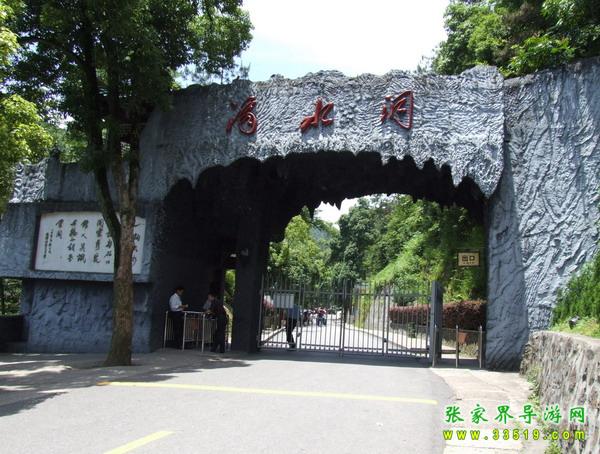
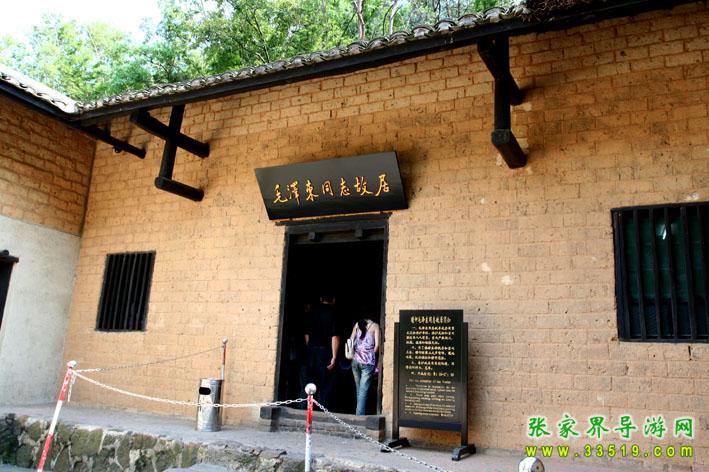
Dripping Water Cave is the chairman's villa, located in a corner on the western side of Shaoshanchong, 3 kilometers from the chairman's former residence. Dripping Water Cave Heaven is a famous cluster of scenic spots in Shaoshan, composed of natural scenery such as the Dripping Water Gorge, Huxieping, and Longtou Mountain, as well as buildings such as Dripping Water Cave No. 1.
Dripping Water Cave is about 2.8 kilometers long. Inside the cave is a small stream winding in twists and turns, and the mouth of the secluded gorge opens toward the northeast. Along the stream, trees are dense; among the upright pines are thick stands of nan bamboo, while hundreds of kinds of wildflowers grow all over the mountains. Among the precious trees here are more than 30 kinds, including ginkgo, glossy privet, and sago palm. The flowers here include more than a hundred kinds, such as azaleas, wintersweet, hibiscus, Chinese rose, and chrysanthemum. The precious medicinal herbs here include more than 20 kinds, such as honeysuckle, licorice, agarwood, and ginkgo nut. Seclusion and excellent scenery are a major feature of the Dripping Water Cave gorge; being among the scenery is like being in a fairyland. No matter which season you come here, there are sights unseen elsewhere. Look—in spring this place is a sea of flowers, with gorgeous and colorful wildflowers blooming all over the mountains; in summer it is full of green shade, with lush trees forming a verdant world; in autumn the green is set off by deep red leaves, making you unable to resist reciting Du Mu's line, "Frosted leaves are redder than February flowers"; in winter this place is a world of pure white, with white snow covering green pines, and amid the silver flashes of green, you can enjoy yet another flavor.
In the gully of Longtou Mountain is buried Mao Zedong's great-grandfather Mao Siduan. It is a high mountain on the south side of Dripping Water Cave, named for its shape resembling a dragon's head. On the wall of Longtou Mountain facing south from Building No. 1 of Dripping Water Cave, a dragon's head is sculpted, with mountain spring water dripping down with a murmuring sound. People call it dragon saliva, which is the spring water seeping from Longtou Mountain.
The Dripping Water Cave Scenic Area is currently quite favored by visitors, with many people coming here every day, and it has gradually developed into a scenic area as famous as the Shaoshanchong Scenic Area.
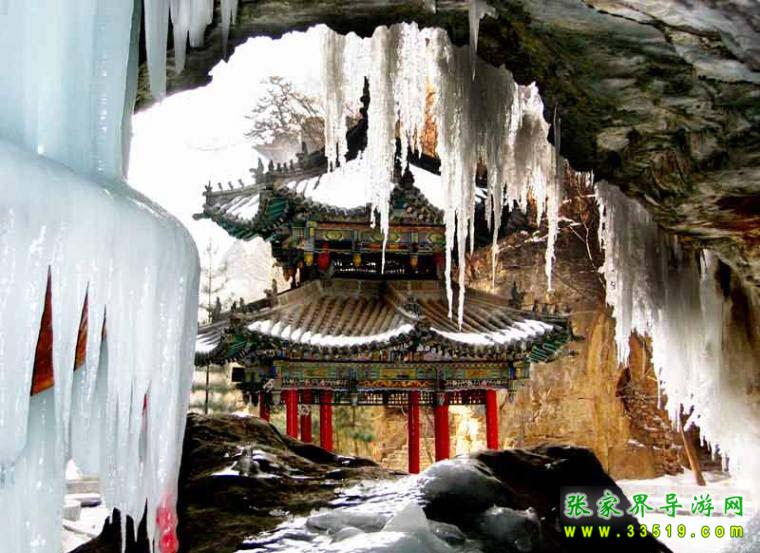
The Dripping Water Cave Scenic Area is the place where Mao Zedong returned to Shaoshan to live and work in 1966. Mao Zedong once called it the "Western Mountain Cave." It is now a national key scenic and historic area. Dripping Water Cave has beautiful natural scenery, surrounded by mountains and waters, with layer upon layer of peaks and ridges, rare flowers and grasses, and precious birds. Within the scenic area are natural sights such as "Guanyin Holding a Child," "Eight Immortals Playing the Flute," and "Dragon Spring."
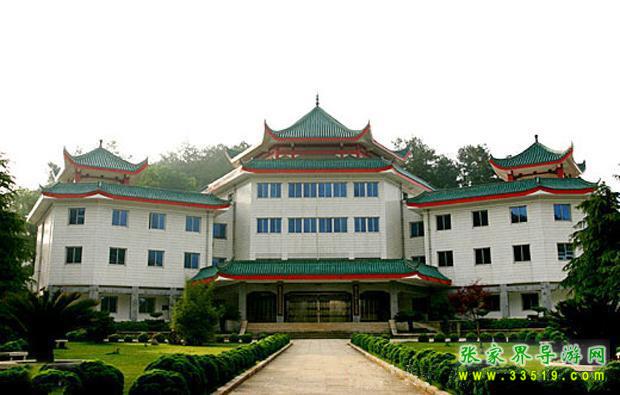
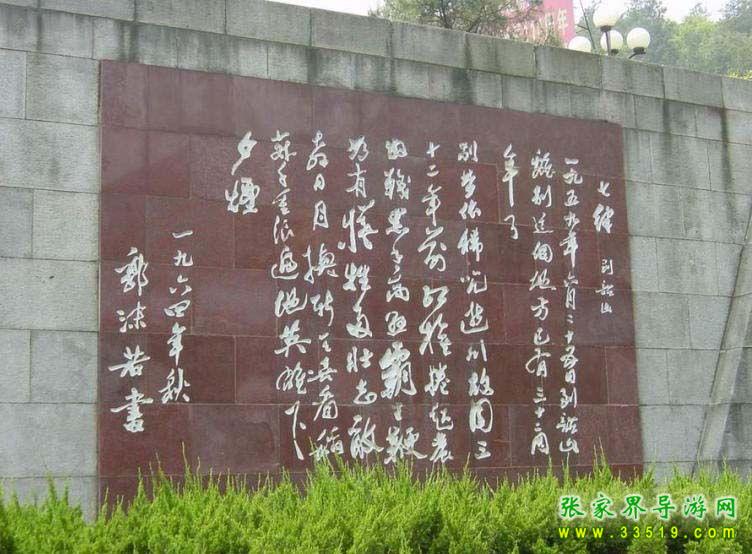
The No. 1 Building guest rooms where Mao Zedong stayed, the Shaoshan Reservoir where he swam, Mao Zedong's grandfather's grave, the Eight Scenes Pavilion, the Eight Scenes Stele Corridor, the stone carvings of inscriptions by notable figures, the gate tower of the cave area, and the Dripping Water Clear Sound—these cultural landscapes blend seamlessly and enhance one another, attracting countless visitors.
The Longtou Mountain Scenic Area includes the tomb of Mao Zedong's great-grandfather, as well as two patches of mountain forest and stone scenery—Longtou Mountain and Guanyin Stone—covering a total area of 196,000 square meters. Its main attractions number more than ten, including "Azaleas in Spring Dawn," "Benlong Spring Pool," "When Drinking Water, Remember the Source," "Long Pavilion Overlook," "Worshipping the Ancestors," "Natural Stone Painting," "Winter Green of the Bamboo Grove," "Pear Blossoms with the Moon," "Guanyin's Distant Gaze," and the "Stele Forest Corridor." In the Mao clan genealogy there is a poem praising Dishui Cave: "A hook of flowing water, a fist of mountain, where tigers crouch and dragons coil. Spiritual beauty gathers here unknown to men, the stone bridge like a lock through many a pass." Indeed, in former days, because Dishui Cave was sealed off, it was locked away in the mist of the deep mountains, its spiritual beauty gathered but unknown to men; today, because Dishui Cave is open, it has thrown open its boudoir doors to welcome visitors from all directions, its scenery moving and its fame spreading far and wide.
Since opening in 1986, the scenic area has received over 2,000 Chinese and foreign visitors, including Party and state leaders such as Jiang Zemin, Li Ruihuan, and Hu Jintao. In 1996, it was rated as "Hunan Province's Best Tourist Destination."