This attraction introduction is compiled from historical materials in the "Zhangjiajie Tour Guide Network" (33519.com · Scenic Spots section). Ticket prices, opening hours, transportation, and contact information mentioned in the text may be outdated. Please refer to the latest official announcements from the scenic area before traveling; some content consists of historical background/cultural introductions and is for reference only.
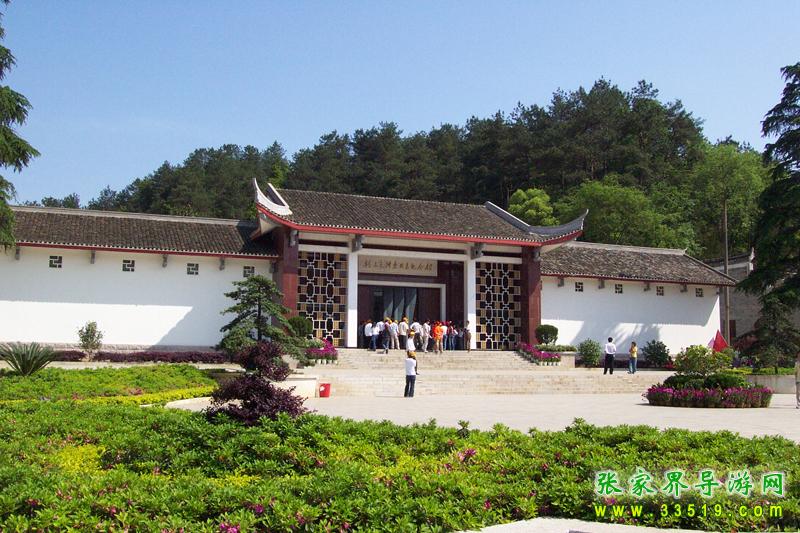
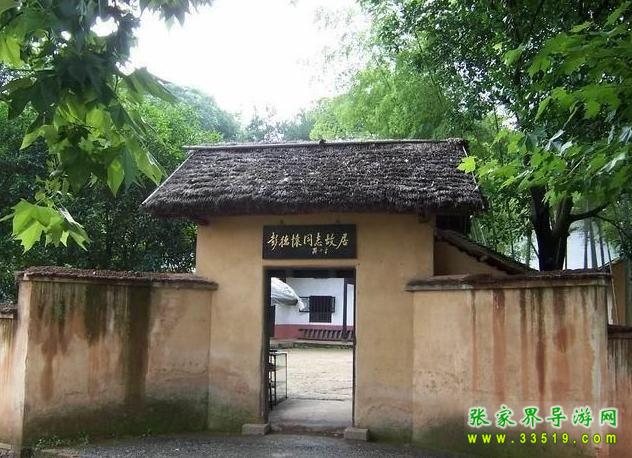
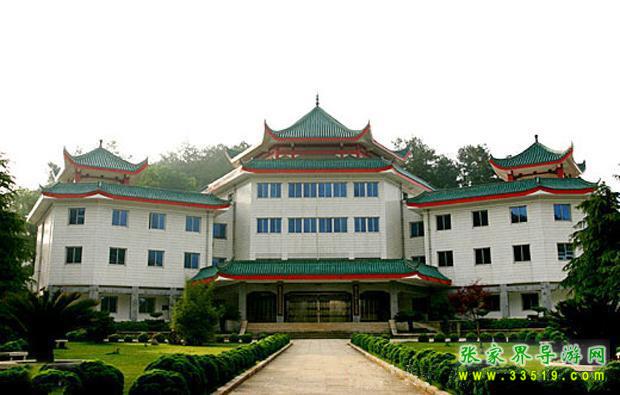
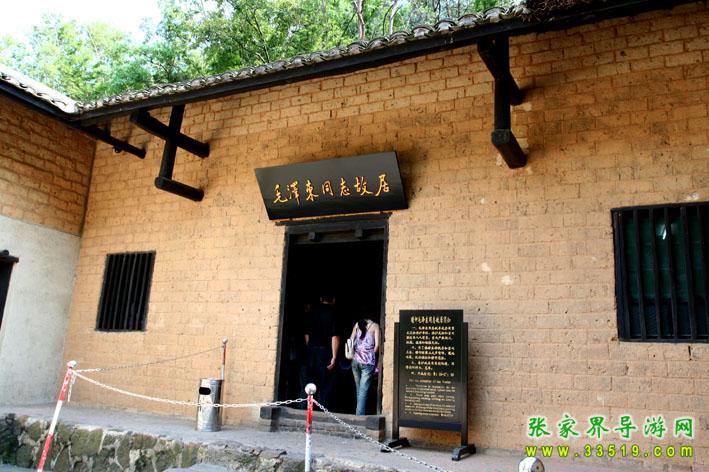
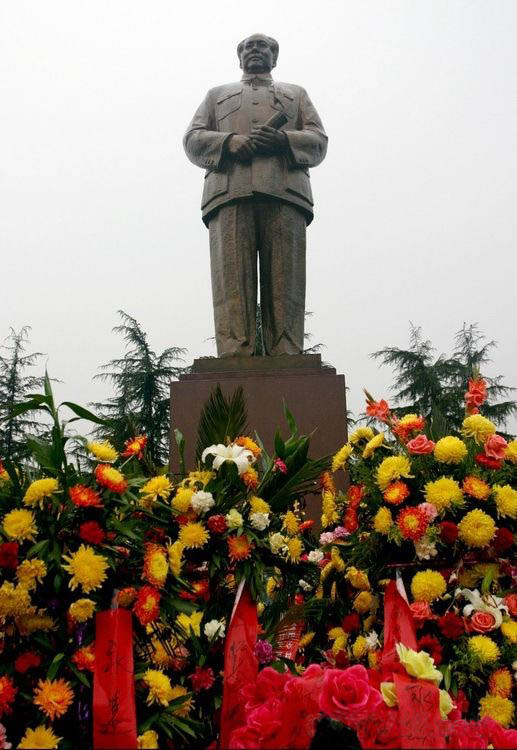
The Comrade Mao Zedong Memorial Hall in Shaoshan is located at the foot of Yinfeng Mountain in Shaoshanchong, facing north with its back to the south, Yinfeng Mountain being the terminal peak of the Shaoshan mountain range. The memorial hall began construction in 1963 and officially opened to the public on October 1, 1964. With later expansions, the total area is approximately over 8,000 square meters. Its jurisdiction includes eight visiting sites: Mao Zedong's former residence, the tombs of Mao Zedong's parents, the site of Mao Zedong's private school—Nan'an, the Mao Zedong bronze statue, the Mao Family Ancestral Hall, the Mao Jian Gong Ancestral Hall, the Mao Zhen Gong Ancestral Hall, and the statue of Mao Zedong in his youth.
Since opening in 1964, the memorial hall has received over 50 million visitors, including more than 70 Party and state leaders and over 100,000 foreign guests from more than 140 countries and regions across the five continents. General Secretary Jiang Zemin visited the hall twice. In April 1983, Deng Xiaoping inscribed the hall's name plaque. On July 1, 1993, Comrade Hu Jintao visited the memorial hall. Today, the memorial hall has become one of the nation's 100 outstanding patriotic education bases and an ideal place for millions of people to commemorate Mao Zedong's great achievements and appreciate the lofty spiritual demeanor of the Oriental giant.
In 2003, to welcome the 110th anniversary of Comrade Mao Zedong's birth, the Comrade Mao Zedong Memorial Hall in Shaoshan underwent an exhibition renovation. There are now twelve exhibition halls, of which eight halls present the life and achievements exhibition "China Produced a Mao Zedong," and four halls feature special exhibitions: "Exhibition of Mao Zedong's Personal Belongings" and "The Six Martyrs of Mao Zedong's Family." The exhibition halls make full use of sound, light, electricity, multimedia, and other forms to highlight the exhibition themes. Visitors can participate in interactive scene displays during their visit, creating a strong sense of engagement.
The memorial hall's architecture is in the Jiangnan garden style, elegant and fresh, and is hailed as a classic of contemporary Chinese garden architecture. The renovated exhibition is even more harmonious with this environment. For example, the design of the introductory hall widened the original by 6 meters and raised it by over 1 meter, expanding the visual space. The centerpiece of the introductory hall—the large white marble statue of Chairman Mao—is made from stone sourced from Fangshan, Beijing, and was designed and created by Liu Lin, a famous sculptor from the Beijing Military Museum. At the same time, the introductory hall adopts a partially transparent form, borrowing scenery from outside, so that the Chairman's statue blends with the garden flowers and trees. The front wall of the introductory hall features a huge oil painting "The East Is Red" by the famous painter Li Ru; the painting is spectacular and magnificent, giving a strong visual impact.
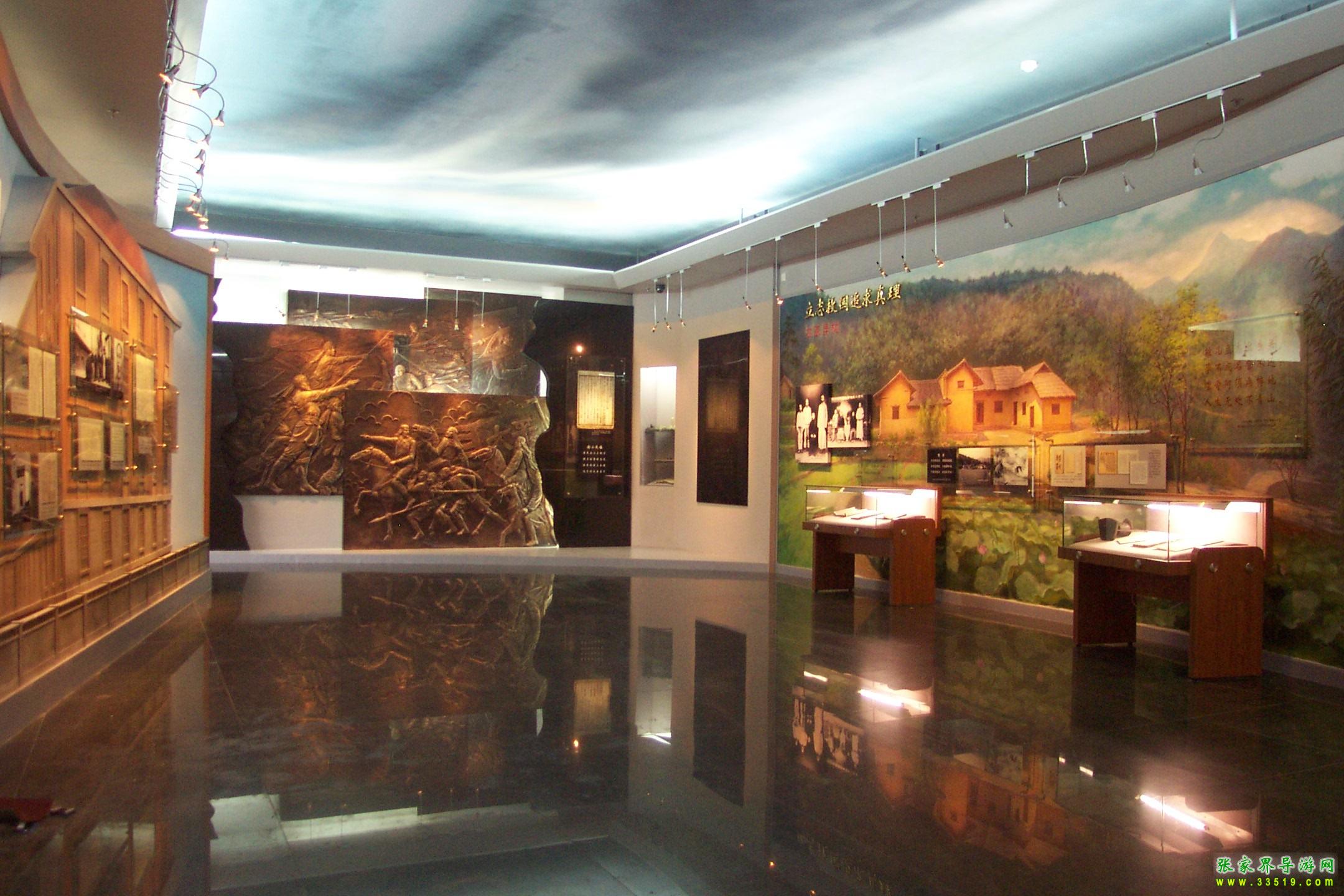
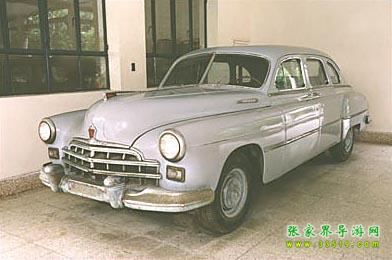
In November 1990, the General Office of the CPC Central Committee approved the transfer of over 5,000 items of Mao Zedong's personal belongings from Zhongnanhai in Beijing to the Shaoshan Mao Zedong Memorial Hall for preservation. Among the belongings are a large seal with a dragon knob designated as a National First-Class Cultural Relic; a wristwatch given by Guo Moruo when Mao went to Chongqing for negotiations; a nightgown worn for decades with 73 patches; and Mao Zedong's household expense accounts, menus, and more. Each item reflects the lofty character and immortal demeanor of a great man. When you see these precious relics one by one, the leader's lofty thoughts, great spirit, and his unique work and life habits are vividly presented before you.