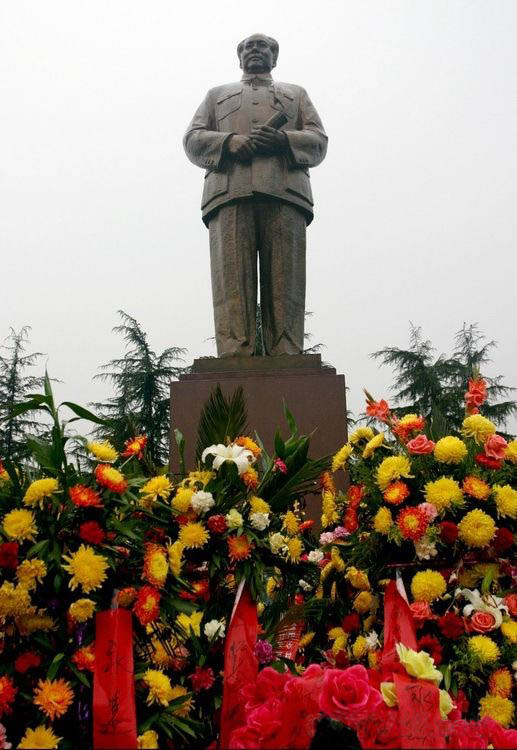
This attraction introduction is compiled from historical materials in the "Zhangjiajie Tour Guide Network" (33519.com · Scenic Spots section). Ticket prices, opening hours, transportation, and contact information mentioned in the text may be outdated. Please refer to the latest official announcements from the scenic area before traveling; some content consists of historical background/cultural introductions and is for reference only.
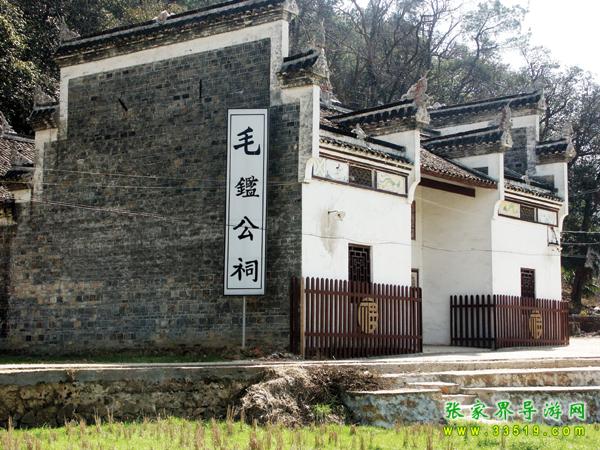
The Mao Jian Ancestral Hall is adjacent to the Mao Clan Ancestral Hall, facing northeast and oriented southwest, with gray bricks, gray tiles, and whitewashed walls, covering a floor area of 611 square meters. From the time Mao Zedong launched the Shaoshan peasant movement, this place became a base of the Shaoshan peasant revolution. In 1925, Mao Zedong held secret meetings here many times. In early January 1927, more than 400 peasants from the Third and Fourth Township Peasant Associations of the Shaoshan Special District gathered here, and Mao Zedong gave a speech from the stage. Not long afterward, Mao Zedong incorporated this speech into his Report on an Investigation of the Peasant Movement in Hunan. After the founding of New China, the first people's political power in Shaoshanchong—the Shaoshan Township Government—was established in the Mao Jian Ancestral Hall. In the spring of 1950, Mao Anying returned to Shaoshan and stayed here that night and convened a cadres' meeting to convey the central government's and Mao Zedong's principles and policies on land reform.
In 1968, the Mao Jian Ancestral Hall was arranged and displayed according to the circumstances of Mao Zedong's visit here in 1927 to investigate the peasant movement and was opened to the public. On September 1, 1972, it was listed as a provincial key cultural relic protection unit. In December 1993, a large-scale stamp exhibition commemorating the centenary of Mao Zedong's birth was held here, and a commemorative envelope printed with the image of the Mao Jian Ancestral Hall was issued.
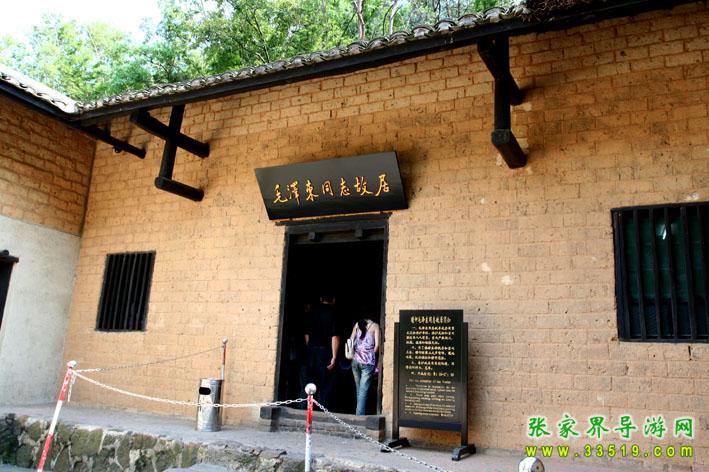
In the early years after Liberation, this hall was once the site of the Shaoshan Township Government. Now the hall has been repaired and opened to the public and is included within the scope of the national-level key cultural relic protection unit—Mao Zedong's former residence.