This attraction introduction is compiled from historical materials in the "Zhangjiajie Tour Guide Network" (33519.com · Scenic Spots section). Ticket prices, opening hours, transportation, and contact information mentioned in the text may be outdated. Please refer to the latest official announcements from the scenic area before traveling; some content consists of historical background/cultural introductions and is for reference only.
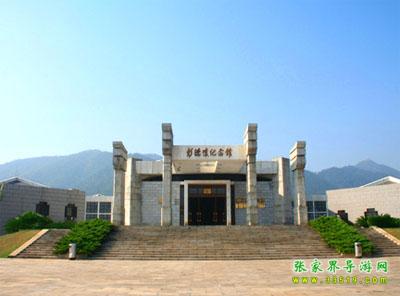
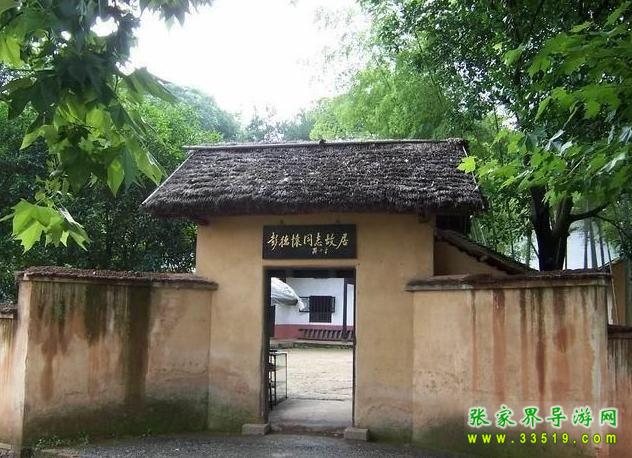
The Peng Dehuai Memorial Park is located in Wushi Village, Wushi Town, Xiangtan County, Hunan Province, 6 kilometers from the urban area of Xiangtan. The memorial park is built on Wohu Mountain opposite General Peng's former residence, backed by the graceful Wushi Peak, facing beautiful fields in front, and with rolling mountains in the distance. The view is very open. It complements the surrounding green belts, General Peng's former residence, and other buildings, forming a majestic and magnificent picture.
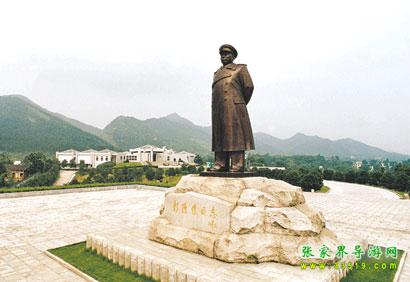
The memorial park, with the bronze statue and memorial hall as its main body, covers 200 mu. General Secretary Jiang Zemin personally inscribed the name for the memorial hall and bronze statue. At the entrance to the memorial park is a majestic archway in antique style, on the upper part of which the famous calligrapher Mr. Qi Gong wrote the six large characters "Peng Dehuai Memorial Park." Passing through the archway and walking along the 500-meter-long Dehuai Avenue lined with metasequoia, one arrives at the memorial park gate tower. The gate tower is composed of four large tripod-shaped structures rich in commemorative symbolism, and it also resembles two tigers guarding the memorial park. Going inward past the gate tower, through the Preface Square and up more than a hundred meters of long stairs, one reaches the Bronze Statue Square. In the center of the square, 50 meters square, the bronze statue of Peng Dehuai stands towering. The full-body standing statue of General Peng in military uniform is 5.1 meters high, 8.1 meters including the base. With both hands behind his back, head held high and chest out, and a solemn yet kindly expression, it vividly and artistically displays General Peng's personal charisma of firmness, decisiveness, and uprightness, as well as his majestic bearing of devising strategies and winning victories a thousand li away.
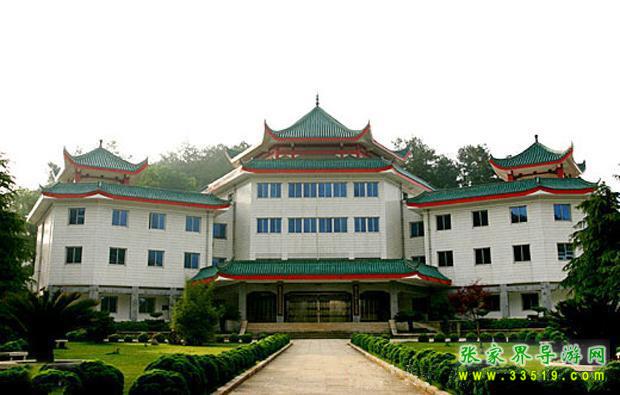
The Peng Dehuai Memorial Hall echoes the bronze statue from afar and is built against the mountain, with a total area of 3,100 square meters. The horse-head wall gate corridor rich in strong local color, blue-gray tile roofs, and imitation Song window lattices set in gray-white walls possess both the ancient charm of Chu and Xiang and a strong sense of the times. The memorial hall adopts a traditional Chinese courtyard layout. Around the preface hall, four major exhibition halls with eight exhibition rooms in total are arranged with proper density. The preface hall is a spacious octagon. The front wall is composed of three groups of red high reliefs, respectively representing: the bloody battle at Luoxiao, the Hundred Regiments Offensive, and the War to Resist U.S. Aggression and Aid Korea. In the center is a half-length round sculpture portraying Peng Dehuai during the War of Liberation. On the sides are two murals with the themes "Devoted to the revolutionary and regularized construction of the army" and "Heart-to-heart with the masses."
The entire preface hall, with highly infectious artistic works, highly condenses and reproduces Peng Dehuai's epic heroic achievements and great personal charisma. The memorial hall exhibition is divided into 4 parts and 20 chapters in total, using more than 300 photographs and a large number of precious artistic exhibits, and employing various expressive means such as sound, light, and electricity to vividly and artistically reproduce Peng Dehuai's great, glorious, and fighting life. In 1998, it was rated first among the top ten fine exhibitions in the national cultural relics system in 1998.