This attraction introduction is compiled from historical materials in the "Zhangjiajie Tour Guide Network" (33519.com · Scenic Spots section). Ticket prices, opening hours, transportation, and contact information mentioned in the text may be outdated. Please refer to the latest official announcements from the scenic area before traveling; some content consists of historical background/cultural introductions and is for reference only.
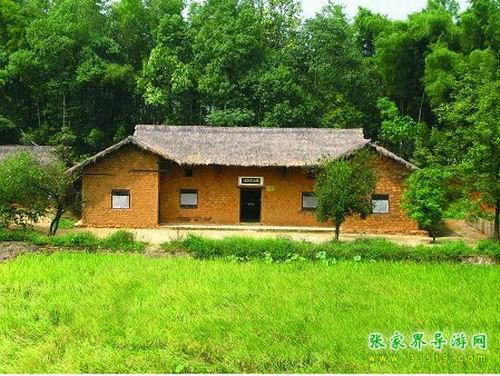
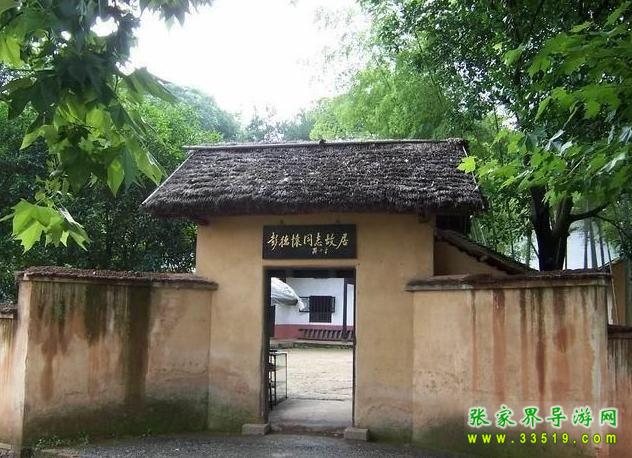
Qi Baishi's former residence is located in Xingziwu, Baishipu Township, Xiangtan County. The former residence was built during the Qing Xianfeng period, with a floor area of 200 square meters and a brick-and-wood structure. It was originally a thatched cottage with earthen walls, one horizontal section and three rooms in each of two wings, and is now an ordinary tile-roofed house with one horizontal section and four rooms.
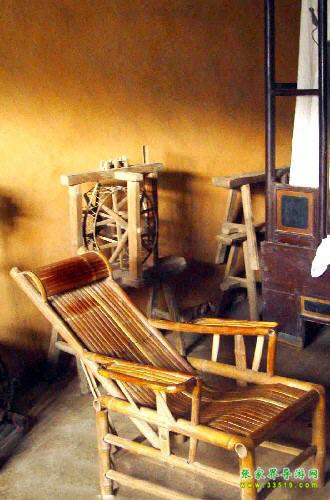
Old-style furniture arranged as originally in the former residence
Qi Baishi was originally named Chunzhi, courtesy name Weiqing, later changed his name to Huang, courtesy name Pinchu, style name Baishi, and alternate names such as Master of Jieshan Yinguan and Old Man Jiping. His family was poor, and he learned arts from childhood. From carpenter and stonemason to painter and celebrity, he experienced more than 80 years of difficult artistic life. He was skilled in meticulous painting of flowers, birds, fish, and shrimp, as well as seal carving and calligraphy, and was highly renowned in the global painting and calligraphy world. In 1963, the World Peace Council listed Qi Baishi as one of the world's cultural celebrities. In January 1996, Baishi's former residence was confirmed as a "Key Cultural Relic Protection Unit of Hunan Province."
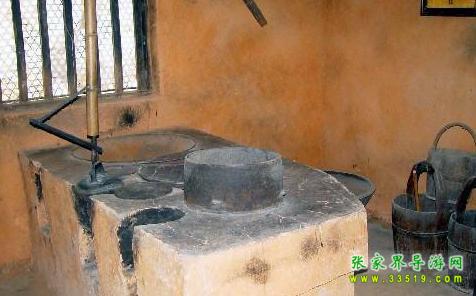
Earthen cooking stove in the former residence