This attraction introduction is compiled from historical materials in the "Zhangjiajie Tour Guide Network" (33519.com · Scenic Spots section). Ticket prices, opening hours, transportation, and contact information mentioned in the text may be outdated. Please refer to the latest official announcements from the scenic area before traveling; some content consists of historical background/cultural introductions and is for reference only.
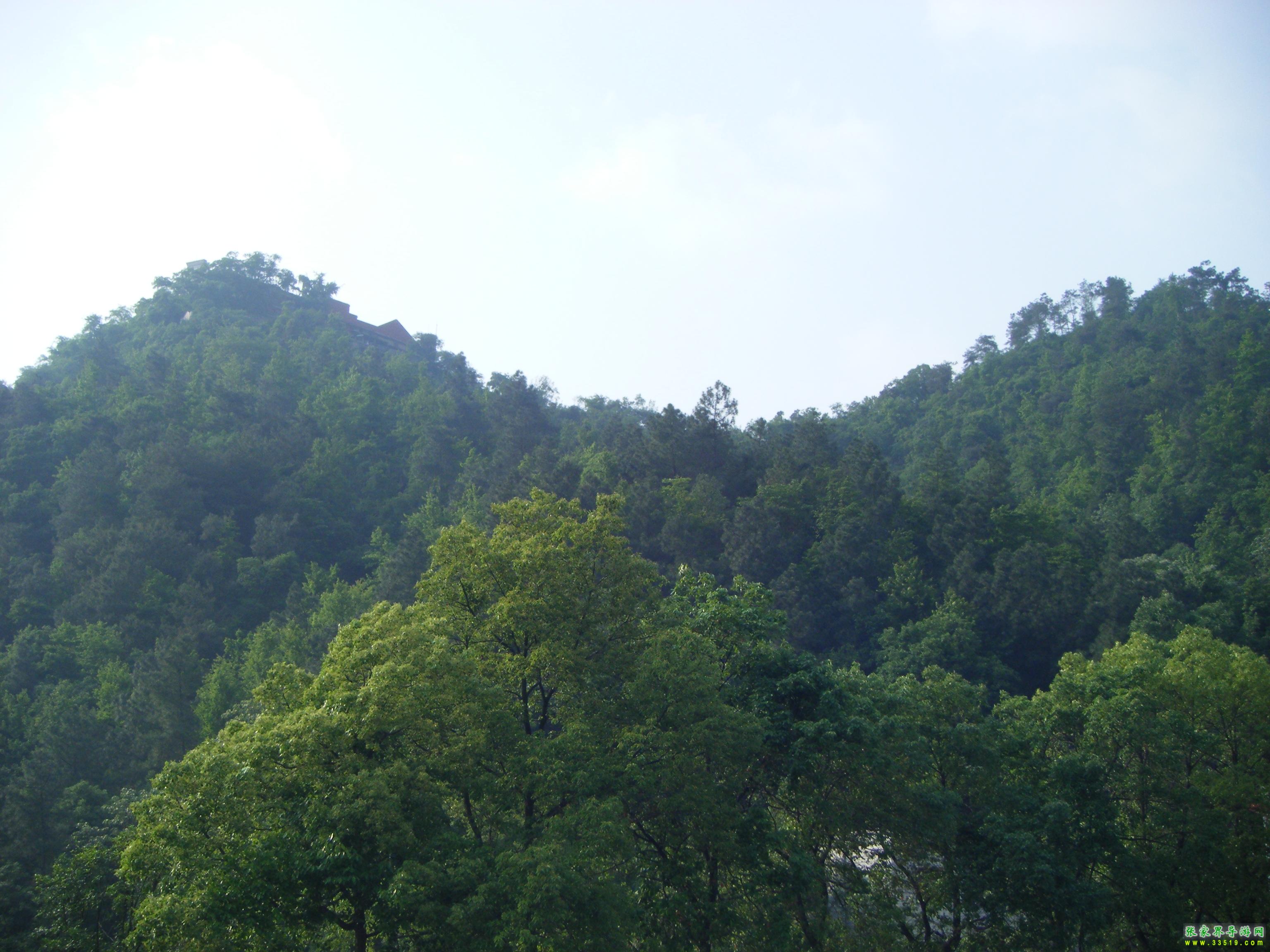
Located on the east bank of the Xiang River 20 kilometers northeast of Xiangtan City. It is at the junction of the three cities of Changsha, Xiangtan, and Zhuzhou. It is said that King Zhao of Zhou campaigned south to this place, hence the name. The Qianlong edition of the Changsha Prefecture Gazetteer records: "Rising beautifully on the Xiang bank, towering and verdant, with strange rocks and unusual waters, slightly revealing rock calyxes, while its momentum flies and moves; when boats pass below, one often sees rock windows and stone casements, which cannot be reached by climbing." Originally there were buildings such as Chaoyang Temple on the summit, with red eaves and tiles and ancient trees reaching the sky, and below was Zhaotan, unfathomably deep. Wang Fuzhi's "Lone Green Song of Zhaoshan" from the late Ming Dynasty also has the lines: "At sunset the sky lowers and the Xiang bank fades, greeting the eye lush and verdant, standing alone the green peak seems small; they say this is the road of King Zhao's southern hunt, the empty pool flows with grievance, wave light curls."
Zhaoshan is actually not high, with an elevation of 185 meters, but it was one of the old "Eight Views of Xiaoxiang." Since ancient times, Mi Fu, Wang Chuanshan, and many other famous people have written many inscriptions and poems about it. It is said that King Zhao of Zhou campaigned against the southern barbarian states and fought all the way here, but ended up falling into the deep pool below the mountain and drowning, hence the name Zhaoshan. This perhaps hints at the conflicts between regional civilizations at the time, but dragging famous mountains and great rivers together with ancient emperors is always a bad habit and quite dull. Two other legends are much more interesting. One is that "Zhao" is homophonous with "zhao" meaning to summon, so this mountain is always calling out to Hunan people far from home to return early -- "In Xiang there is Zhaoshan, and travelers do not enjoy long journeys." When Hunan people go to other provinces, whether for business or tourism, once they finish, they will be summoned in some unseen way by this mountain and hurry back day and night.
There is another legend found in Mr. Yan Guaiyu's "Record of a Mid-Autumn Gathering in Xiangtan for Moon Viewing": "When they arrived at Zhaoshan, Zhou Yixiang's wife sat by the boat edge sighing to herself: 'Zhaoshan is so womanly! What a beautiful Zhaoshan!' Chen Hua said: 'Zhaoshan is just like Mrs. Zhou! What a plump Zhaoshan!' Zhou Yixiang's wife said: 'I am even plumper than Zhaoshan!' Actually she was not necessarily that plump, nor was Zhaoshan necessarily that thin..." -- Mountains, rivers, grass, and trees interact with people and merge as one; this view may really be quite right.
During the Spring and Autumn period, King Zhao of Zhou led troops to attack the State of Chu but was blocked by the Xiang River. The people of Chu used boats glued together to carry them across the river. When the boats reached the middle of the river, the glue dissolved and the boats sank. King Zhao drowned in the Xiang River, and the mountain by the river was thus named Zhaoshan.
Zhaoshan's fame greatly increased thanks to a painting titled "Mountain Market in Clearing Mist" by the famous Northern Song calligrapher and painter Mi Fu. Legend says that when Mi Fu came here, he greatly admired the scenery and improvised the painting "Mountain Market in Clearing Mist," matching it with a poem: "Chaotic peaks in empty verdure, still wet though clear; mountain market mist intertwines, near yet feels far. Just when slight cold makes one seek drunkenness, the wine banner from now on need not be waved." It fully captured the beauty of Zhaoshan's mountain market in clearing mist. The painting gave a vivid portrayal of Zhaoshan's misty rain, blue waves, clear sky, and bright verdure, and from then on Zhaoshan was listed as one of the "Eight Views of Xiaoxiang." In the late Ming Dynasty, when Wang Fuzhi was a student at Yuelu Academy in Changsha, he once went on an outing here and left a fine work praising Zhaoshan: "Through all ages the stone is naturally blue-green, in deep spring flowers are about to redden; the clear pool congeals into one color, from cloud's end emerge twin rainbows."
Zhaoshan has steep mountains, beautiful waters, fantastic caves, and lovely shoals. The "Illustrated Compendium: Geographical Records" gives a superb description of Zhaoshan's steepness: Zhaoshan "rushes forth from the ridge, rises beautifully on the Xiang bank, stands verdant and towering, with strange rocks spreading out, rare trees layered in shade, slightly revealing rock calyxes without any tendency to topple; when boats pass below, one dimly sees rock walls and stone windows, which cannot be reached by climbing." Zhaoshan integrates Phoenix-shaped Mountain and Tiger-shaped Mountain into one, and the mountain ridges are widely planted with pines, tea, cypress, and bamboo, spread out like brocade and layered green, full of vitality. The Dragon Cave at the foot of Zhaoshan has large caves containing small caves, said to have 48 doors, and to this day no one has reached its end. Zhaotan is a deep pool in the Xiang River. The "Commentary on the Water Classic" records: its depth is unfathomable, and the water there is especially blue-green. The white sand beach opposite Zhaoshan has clear water and fine sand, and can be called an inland Beihai Silver Beach.
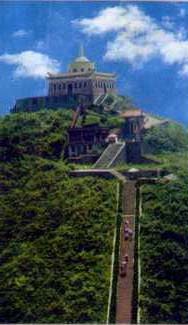
The Zhaoshan Ancient Temple at the summit of Zhaoshan has a history of over a thousand years, giving people a feeling of quietness, elegance, and ethereal emptiness. The Zen temple was built in the Tang Dynasty and was repaired with property allocated in the 23rd year of Qianlong in the Qing Dynasty (1758 AD). It contains the Xuandi Palace, Wanghuang Palace, Guanyin Palace, Guanyin Hall, Guansheng Hall, and others, with monks residing there. Throughout the year incense smoke curls, and the sound of bells and chimes never ceases, matching the surging Xiang River in front of the mountain and the curling cooking smoke behind it.
Legend says that the ancient temple housed Xuandi, the elder brother of the Sacred Emperor of Nanyue. Xuandi's spiritual power was not as great as the Sacred Emperor's, and not as many people came to worship him, but Xuandi did not mind, always treating people kindly and using a gentle spring breeze to soothe the bodies and minds of passing visitors, making them feel cheerful. Therefore, tourists who come to Zhaoshan, no matter how bad their mood, feel relaxed and happy as soon as they go up the mountain. A folk saying goes: "In Xiang there is Zhaoshan, and travelers do not enjoy distant journeys," precisely because Xuandi is here constantly and affectionately summoning wanderers.
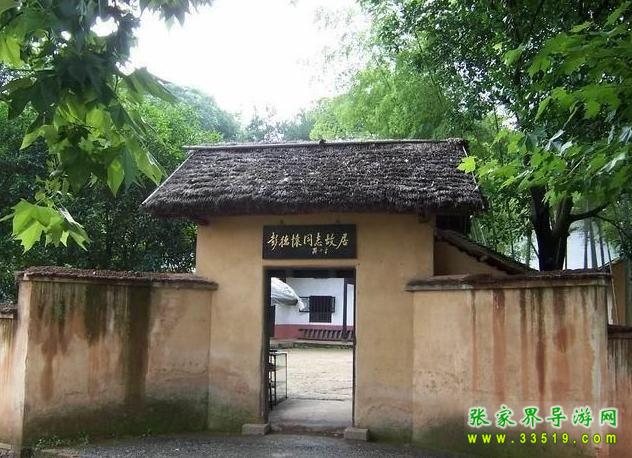
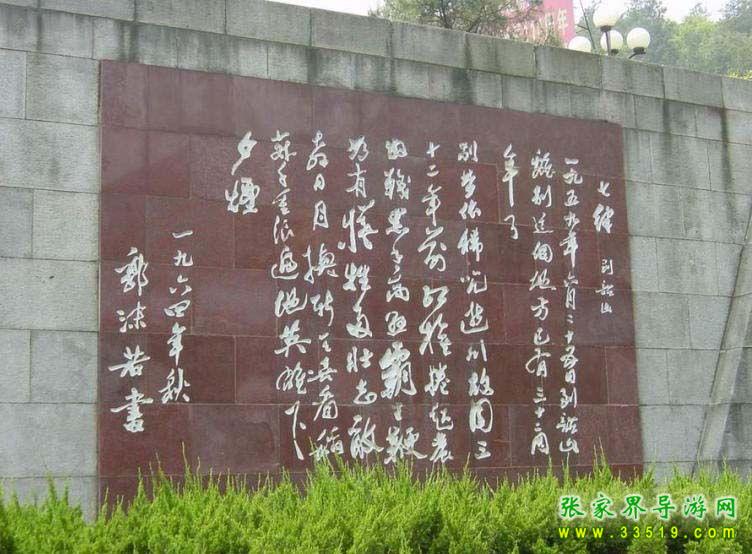
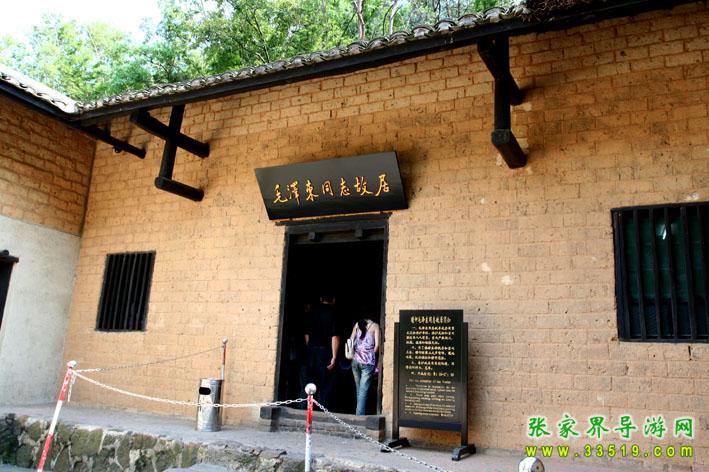
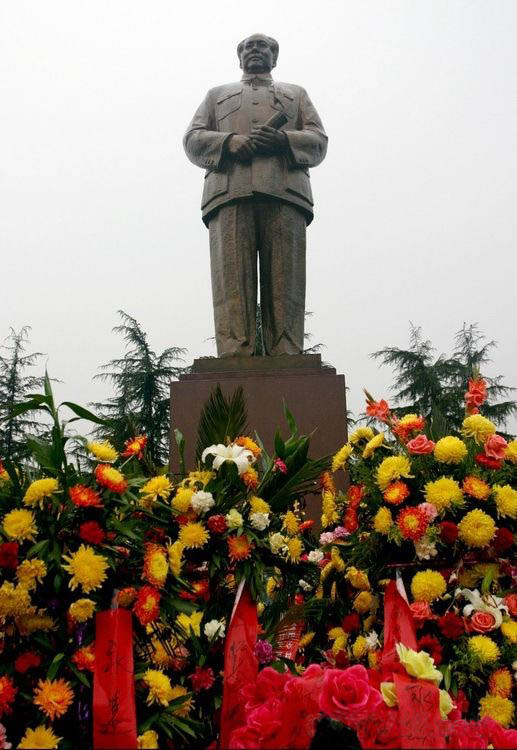
On September 16, 1917, Mao Zedong, then a student at Hunan First Normal School, together with Xinmin Society members Zhang Kundi and Peng Zehou, conducted a social survey. They walked from Changsha to Zhaoshan, swam in the Xiang River in front of the mountain, and spent the night at Zhaoshan Zen Temple.