This attraction introduction is compiled from historical materials in the "Zhangjiajie Tour Guide Network" (33519.com · Scenic Spots section). Ticket prices, opening hours, transportation, and contact information mentioned in the text may be outdated. Please refer to the latest official announcements from the scenic area before traveling; some content consists of historical background/cultural introductions and is for reference only.
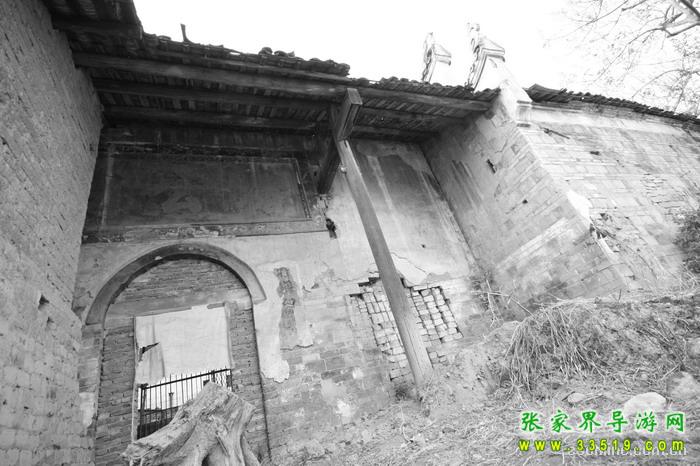
In the eastern corner of Xiangxiang City, behind Xiaziqiao Street, stands an ancient ancestral hall by the banks of the Lian River. Three vigorous characters—"Chu Gong Ci" (Chu Gong Shrine)—are inscribed horizontally above the main gate. This was built by the people of Xiangxiang to commemorate Chu Suiliang, a loyal minister and great calligrapher of the Tang Dynasty.
In the sixth year of the Yonghui era of the Tang Dynasty (654 AD), Emperor Gaozong installed Consort Wu as empress. Chu Suiliang strongly opposed this, and the emperor, enraged, demoted him to Governor of Tanzhou. When Chu toured the counties of Tanzhou, he frequently visited the Ganying Temple in the eastern part of Xiangxiang City to privately discuss with the abbot the great cause of reviving the Tang Dynasty. To the left of the temple was a clear pond where Chu Gong often composed poetry and washed his brush. In the late Ming and early Qing dynasties, the local people, admiring Chu Suiliang's calligraphy and character, built the Chu Gong Shrine beside the pond. The couplet on the front pillars of the shrine reads: "A clear pond for washing ink, fragments of gold preserve the true tradition of Yishao, as if seeing a flock of swans at play on the sea; fierce winds reveal sturdy grass, returning the tablet to repay the late emperor's trust, no more shall flying birds depend on others." In the second year of the Shaoxing era of the Southern Song Dynasty (1229 AD), County Deputy Shao Zixin dredged the brush-washing pond and wrote a horizontal plaque reading "Tang Governor Chu Gong's Brush Pond," which became one of the eight old scenic spots of Xiangxiang, known as "Brush Pond Spring Clouds." The shrine and pond have since been destroyed, but two treasures remain: first, the stele of Chu Gong's "Preface to the Sacred Teachings of the Great Tang Tripitaka" embedded in the wall of the right corridor before the main hall (now moved to the Xiangxiang City Museum), 1.53 meters high and 0.72 meters wide. According to research, it is a re-engraving of Chu's "Wild Goose Pagoda Preface to the Sacred Teachings." Du Fu's poem "Departing from Tanzhou" praised "Chu Gong's calligraphy as peerless," referring to this. Chu Suiliang, together with Ouyang Xun, Yu Shinan, and Gong Ji, was known as one of the Four Great Calligraphers of the Tang Dynasty. Second, on the left side of the entrance corridor stands a stone pillar about 2 meters high, with each of its four sides 0.6 meters wide, erected in the first year of the Zhizhi era of the Yuan Dynasty (1321 AD).