This attraction introduction is compiled from historical materials in the "Zhangjiajie Tour Guide Network" (33519.com · Scenic Spots section). Ticket prices, opening hours, transportation, and contact information mentioned in the text may be outdated. Please refer to the latest official announcements from the scenic area before traveling; some content consists of historical background/cultural introductions and is for reference only.
Shaoshan is located at the junction of Xiangxiang, Ningxiang, and Xiangtan, 40 kilometers from Xiangtan City and 120 kilometers from Changsha City, with a population of 100,000. Legend has it that Emperor Shun came south on an inspection tour to this place, saw its beautiful scenery, and then played the Shao music, attracting phoenixes to come in ceremony and a hundred birds to sing in harmony. It is also said that "the three Shao sisters attained the Dao here; a phoenix bird brought heavenly books, and the women all became immortals." Shaoshan got its name for this reason. It currently belongs to Xiangtan City. Hunan Province has established the Shaoshan Administration Bureau.
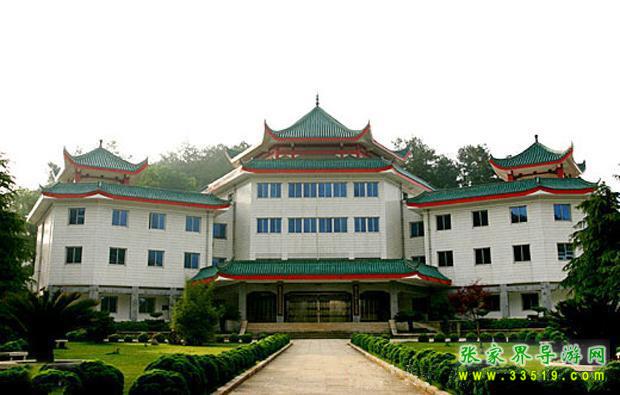
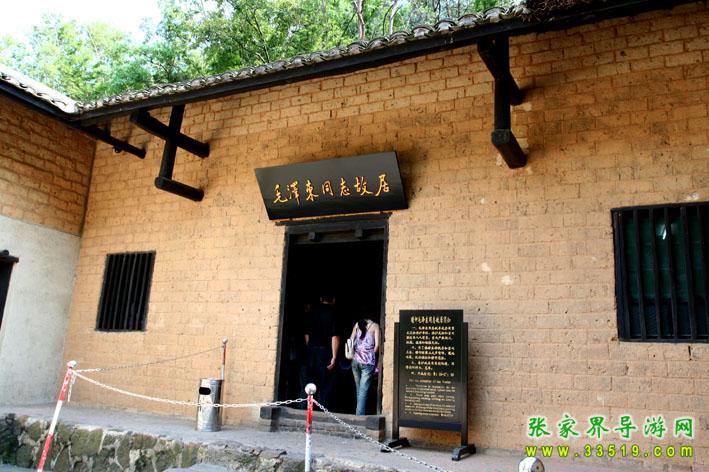
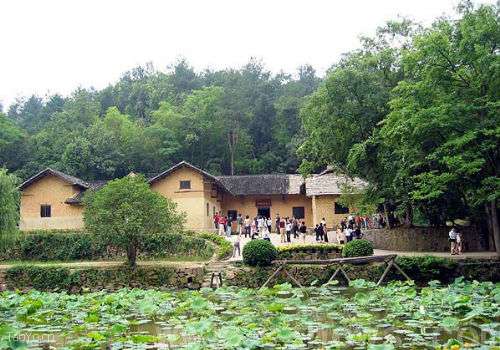
The Former Residence of Comrade Mao Zedong in Shaoshan is located in Shangwuchang, Tudichong, Shaoshan Village, Shaoshan Township, Shaoshan City. It faces north and sits south, and is a rammed-earth and timber structure in the shape of the Chinese character ao. The east side is Mao Zedong's family home, the west side is the neighbor's house, and the central main hall was shared by both families. Mao Zedong was born here on December 26, 1893. Passing from the main hall of the former residence through the right wing room, bedroom, corridor eaves, and husking room, visitors can see a full family photo of Mao Zedong, daily utensils, and various farm tools, among which are displayed the carrying pole, water buckets, hoe, and other items used by Mao Zedong in his youth. In 1929, the former residence was confiscated by the Kuomintang government and damaged, and in 1950 it was restored to its original appearance. In the room where Mao Zedong was born, the study, and his parents' living quarters, some original objects and photographs are displayed. In 1964, the Shaoshan Exhibition Hall of Comrade Mao Zedong's Former Residence was newly built, displaying cultural relics, photographs, and materials from Mao Zedong's revolutionary activities. The total building area is 472.92 square meters. In 1878, Mao Zedong's great-grandfather Mao Siduan bought five and a half thatched rooms beside Shangwuchang, and his eldest son Mao Dechen lived there first. Ten years later, Mao Siduan's two sons divided the family property, and the second son Mao Yichen received the house at Shangwuchang, then moved there with his son Mao Shunsheng and daughter-in-law Wen from Maocaotang. Around 1918, Mao Shunsheng expanded the thatched house into 13 and a half tiled rooms. On December 26, 1893, Mao Zedong was born here and spent his childhood and youth in Shaoshan. In the autumn of 1910, Mao Zedong left home to study with the great ambition of saving the country and the people. In the spring of 1912, Mao Zedong returned here to educate his relatives to join the revolution. In 1925, when Mao Zedong returned to his hometown to carry out the peasant movement, he held various small meetings here and established the Shaoshan Branch of the Communist Party of China. On New Year's Day 1927, when Mao Zedong investigated the Hunan peasant movement, he held an investigation meeting here. In June 1959, when Mao Zedong returned to his hometown for an inspection, he came here to visit. On March 4, 1961, the State Council announced the Former Residence of Comrade Mao Zedong in Shaoshan as a Major Historical and Cultural Site Protected at the National Level.
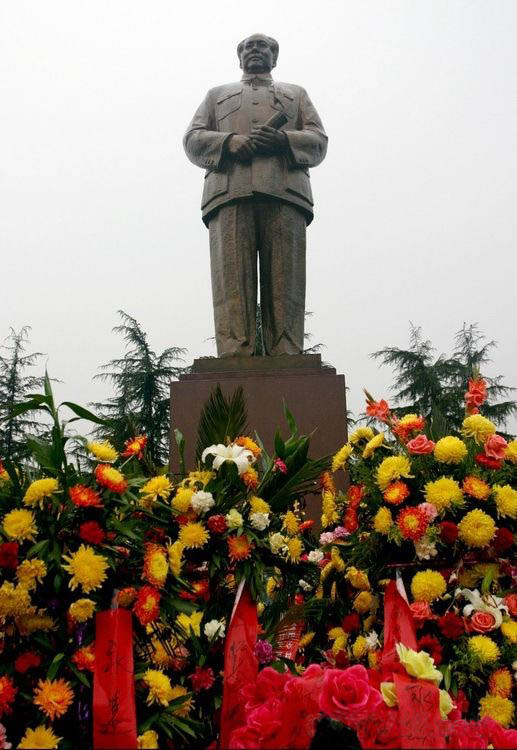
On December 20, 1993, Jiang Zemin came to Shaoshan to unveil the bronze statue of Mao Zedong, and Mao Zedong's majestic image appeared before the people. The bronze statue of Mao Zedong weighs 3.7 tons, is 6 meters tall, with a base 4.1 meters high, and a total height of 10.1 meters, subtly implying the date of the founding of the People's Republic of China. It depicts Mao Zedong as tall and robust, wearing a Zhongshan suit, holding a scroll with both hands placed before his chest, with a full face and radiant expression, his eyes revealing a deep-seated gratification and smile. This image is clearly the moment when Mao Zedong, having just proclaimed to the world the birth of the People's Republic of China, cast a deeply affectionate gaze toward the hundred thousand soldiers and civilians cheering thunderously below the rostrum, toward the four hundred million compatriots across the nation, and toward the still-suffering peoples of the world. This is a successful man, a victor, yet not arrogant or complacent; this is a great man, a giant, still gazing toward the future, steady, calm, confident, and resolute—people can feel tremendous strength from him. On the base, the five characters "Comrade Mao Zedong" inscribed by Jiang Zemin shine with golden light. Around the base are neatly placed chrysanthemums offered by people, among them a bonsai carefully cultivated by a local farmer from Shaoshan.