This attraction introduction is compiled from historical materials in the "Zhangjiajie Tour Guide Network" (33519.com · Scenic Spots section). Ticket prices, opening hours, transportation, and contact information mentioned in the text may be outdated. Please refer to the latest official announcements from the scenic area before traveling; some content consists of historical background/cultural introductions and is for reference only.
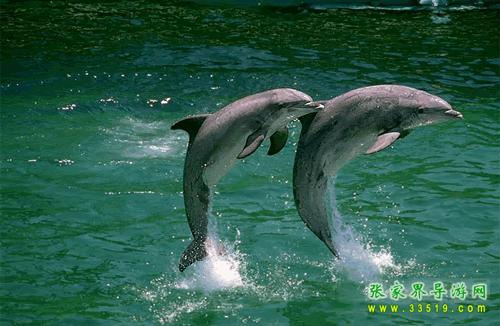
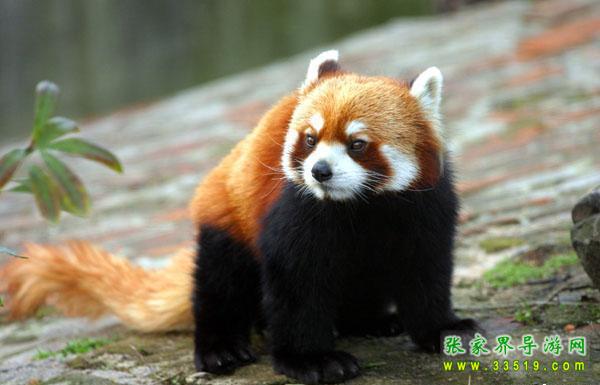
Changsha Zoo is bordered by Deya Road on the north, with Bus No. 3 passing by its front gate; its south gate opens onto the Martyrs' Park. Covering a total area of 4.6 hectares, it is home to more than 1,000 rare birds and animals of over 90 species from the equator, tropical rainforests, temperate zones, plateaus, oceans, deserts, and grasslands, including more than 20 species of first-class protected animals. The breeding populations of the Northeast China tiger, African lion, clouded leopard, leopard, giant panda, red panda, golden cat, orangutan, baboon, gibbon, zebra, pony, peacock, red-crowned crane, and others all number more than one pair. There are also Asian elephants, hippopotamuses, and more. Of monkeys alone, there are species such as the Francois' leaf monkey, bear macaque, rhesus macaque, macaque, long-tailed monkey, slow loris, and stump-tailed macaque.
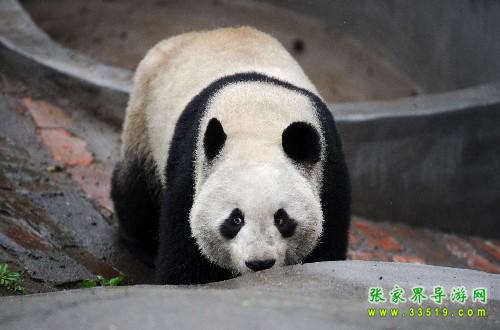
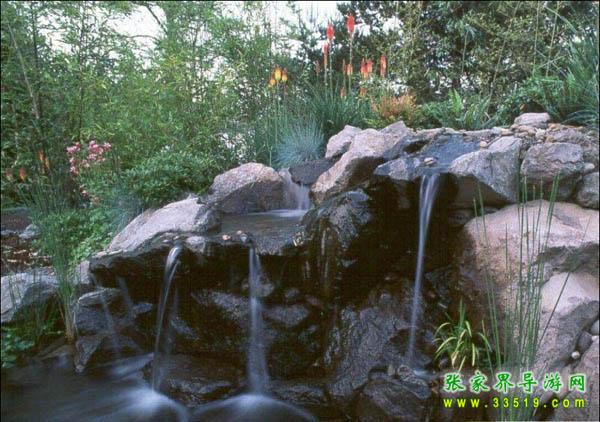
As early as 1934, Changsha Tianxin Park had an attached zoo housing more than 20 animals. In 1951, an animal shed was set up in the Children's Park. In 1956, when the Children's Park was converted into the Youth Home, an animal exhibition area was opened in the southwest corner of the Martyrs' Park. In 1958, Changsha Zoo moved to its current site and was officially opened to the public. Through decades of effort, the zoo has become a base in Hunan Province for the viewing, breeding, and scientific research of wild animals. It currently has 17 cages, sheds, and halls. The park's flowers and trees stay green all year round, providing shade and relief from the heat in summer and shelter from the wind and cold in winter. More than 3,700 meters of hedges wind among flowerbeds, lawns, bamboo groves, and peach woods, complemented by stone tables and stools, forming gardens within the garden and creating a fine environment for visitors to enjoy and rest.