This attraction introduction is compiled from historical materials in the "Zhangjiajie Tour Guide Network" (33519.com · Scenic Spots section). Ticket prices, opening hours, transportation, and contact information mentioned in the text may be outdated. Please refer to the latest official announcements from the scenic area before traveling; some content consists of historical background/cultural introductions and is for reference only.
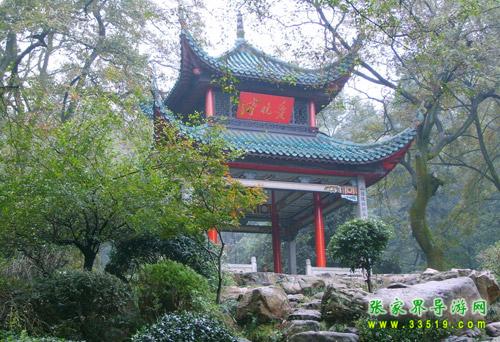
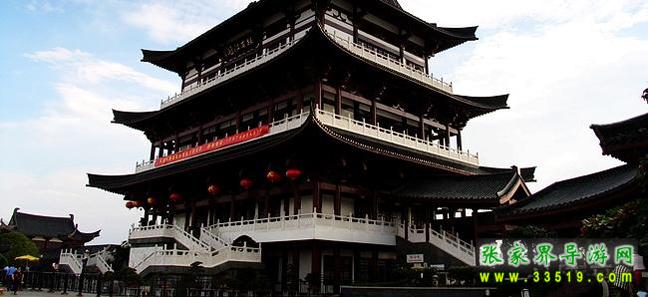
Aiwan Pavilion is located on a small hill in the Qingfeng Gorge behind Yuelu Academy. It has eight pillars and multiple eaves, topped with green glazed tiles and a pointed finial. The inner pillars are red wooden columns, while the outer pillars are square granite columns. The ceiling features painted coffered panels, making it truly spectacular. It was built in the 57th year of the Qianlong reign of the Qing Dynasty (1792 AD) by the academy head Luo Dian. Originally named "Hongye Pavilion" and also known as "Aifeng Pavilion," it was later renamed Aiwan Pavilion based on the Tang Dynasty poet Du Mu's poem "Mountain Journey," taking the poetic meaning of "I stop my carriage, loving the maple woods at dusk; frost-bitten leaves more crimson than spring blooms."
Inside the pavilion there is a horizontal plaque inscribed with Mao Zedong's calligraphy of the poem "Qin Yuan Chun · Changsha." The three characters "Aiwan Pavilion" on the pavilion's lintel were written by Comrade Mao Zedong in his own hand in 1952 when Hunan University rebuilt the pavilion, at the request of university president Li Da. On the square stone inside the pavilion are engraved seven-character regulated verses by Zhang Nanxuan and Qian Nanyuan about their mountain excursions, known as the "Two Nan Poems."
On the stone pillars in front of the pavilion is engraved a couplet: "On the mountain path, evening red spreads, five hundred delicate peach blossoms newly planted; in the gorge, deep green clouds drip, a pair of tame cranes await the cage." Among Chinese pavilion architecture, Aiwan Pavilion has had enormous influence and can be regarded as a classic work.