This attraction introduction is compiled from historical materials in the "Zhangjiajie Tour Guide Network" (33519.com · Scenic Spots section). Ticket prices, opening hours, transportation, and contact information mentioned in the text may be outdated. Please refer to the latest official announcements from the scenic area before traveling; some content consists of historical background/cultural introductions and is for reference only.
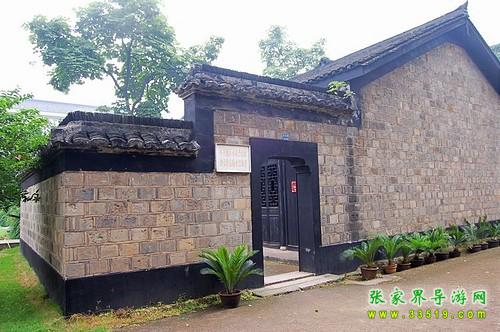
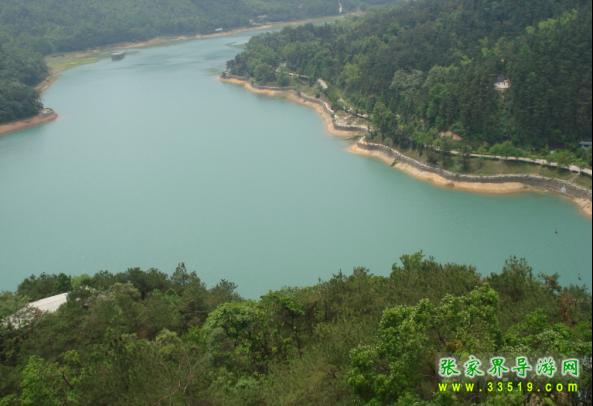
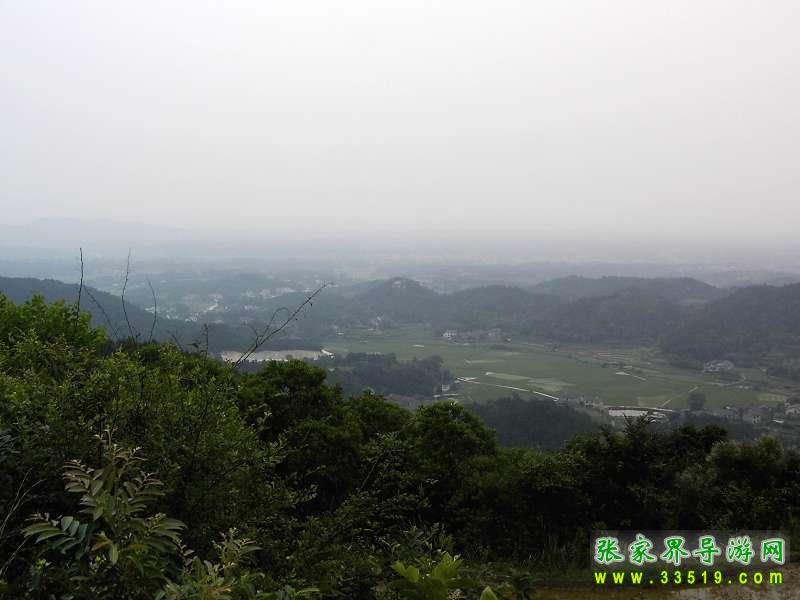
Former Residence of He Shuheng, a cultural relic protection unit of Hunan Province. It is located in Shaozi Chong, Shatian Township, more than 70 kilometers west of Ningxiang County seat. On May 27, 1876, He Shuheng was born here. The former residence is an ordinary farmhouse, built in the 50th year of the Qianlong reign of the Qing Dynasty (1785). It has a square layout, faces east with its back to the west, and is of earth-and-wood construction. It has a main room and left and right side rooms, totaling 23 rooms, with a small blue-tile roof and courtyard walls built of earth bricks and mud, covering an area of about 2,600 square meters. It has a flat-topped gateway, above the lintel of which hangs a horizontal plaque inscribed with seven characters written by Liao Mosha: "Former Residence of Martyr He Shuheng." Inside the gate, the courtyard is 35 meters long and 23 meters wide. Passing through the courtyard is the main hall. It has double-leaf wooden doors and square lattice windows. Under the eaves is a corridor, with a light well in the middle. After 1972 it was repaired many times, and the restored displays include He Shuheng's and his parents' living quarters, study, and so on, for people to visit and remember him. In front of the house are fields and a small pond; behind the house are high mountains and steep ridges, with Mali Mountain on the left and Dashu Mountain on the right. A clear spring flows down from the rear mountain and winds around the house, making the scenery pleasant.
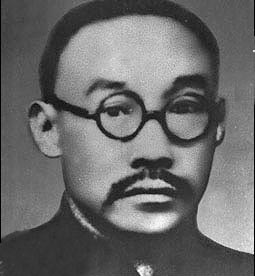
Brief Introduction to He Shuheng
He Shuheng (1876-1935), proletarian revolutionary. His genealogical name was Qixuan, and his school name was Zhanhu. A native of Ningxiang. A xiucai in the late Qing Dynasty. A graduate of Hunan Provincial First Normal School. A core member of the Xinmin Society. A member of the Changsha Communist Group. After attending the First National Congress of the Communist Party of China, he served as a member of the CPC Xiang Region Committee and director of the supplementary school attached to Hunan Self-Study University. He participated in rebuilding and developing the Hunan Kuomintang organization. He successively held posts including director of the Provincial Zhongshan Library, supervisor of the Shuikoushan Mining Bureau, and director of the Hunan People's Daily. After the "May 21 Incident," he went to Shanghai to found the Jucheng Printing Company for the Party. Later he went to Moscow to study. He returned to China in 1930 and served as a principal responsible person of the Comintern Relief General Association and the National Mutual Aid Association. In the autumn of the following year he went to the Central Soviet Area, where he successively served as a member of the Central Executive Committee of the Chinese Soviet Republic, People's Commissar for Workers' and Peasants' Inspection, Acting Minister of Internal Affairs, and chairman of the provisional court of the central government. After "Left" erroneous thinking dominated the Central Committee, all his posts were removed. After the main Red Army forces began the Long March, he stayed in the base area to persist in struggle. In February 1935, while passing through Shanghang County, Fujian, he was pursued and captured by the enemy and died heroically.