This attraction introduction is compiled from historical materials in the "Zhangjiajie Tour Guide Network" (33519.com · Scenic Spots section). Ticket prices, opening hours, transportation, and contact information mentioned in the text may be outdated. Please refer to the latest official announcements from the scenic area before traveling; some content consists of historical background/cultural introductions and is for reference only.
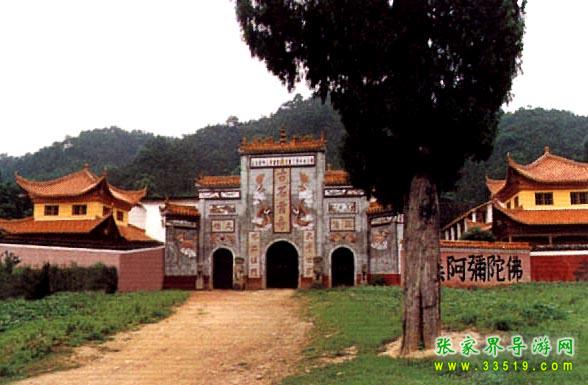
Shishuang Temple is located on Shishuang Mountain in Shizhuang Village, Jingang Township, Liuyang County, and is named after the mountain. During the reign of Emperor Xizong Li Xuan of the Tang Dynasty (874–888), it was built under imperial order and supervised by Prime Minister Pei Xiu.
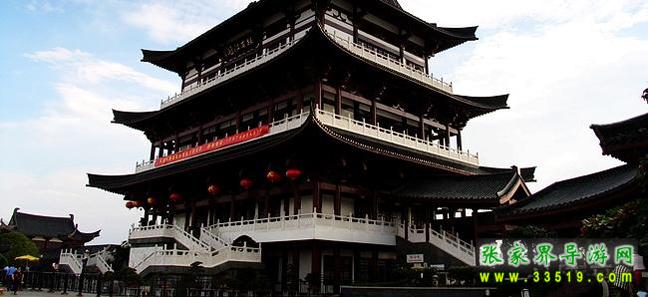
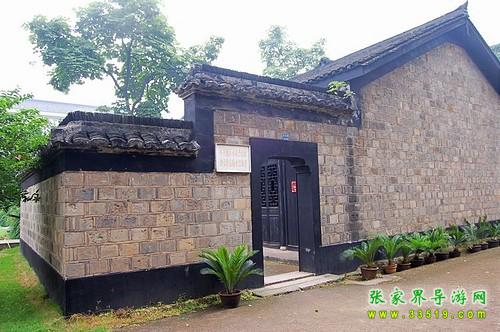
The temple faces south and is built against the mountain, with irregular levels, covering more than 10,000 square meters. From the Tang to the Qing Dynasty, it was repeatedly repaired. The surviving halls still include the Mahavira Hall, Guansheng Hall, Yunshui Hall, Hongyin Pavilion, Ancestral Hall, Abbot's Room, Guest Dining Hall, and Hualiao Pavilion. Some stone steles and wooden plaques also survive. The Mahavira Hall occupies the central position of the building complex, with a total area of 764.4 square meters and a height of 18 meters. It is built on a granite platform, with a double-eaved hip-and-gable roof and a surrounding veranda. The Abbot's Room is at the highest point of the entire temple. Its structure is the same as the Mahavira Hall, but it is shorter and smaller, with an area of 250 square meters, a height of 11 meters, and a flush gable roof. Ten plaques from the Qing Dynasty to the Republic of China period survive in the temple. Outside the temple is a thousand-year-old camphor tree, and the surrounding environment is elegant and secluded. Shishuang Temple is the ancestral court of the Yangqi and Huanglong schools of Chan Buddhism and occupies an important position in the history of Chinese Buddhism, with influence reaching some Southeast Asian countries and especially high prestige in Japan. At the end of 1988, the religious affairs department of Changsha City raised funds to restore it.